
Force in Flow — Breakthrough and Replenishment of BEI Jiaxiang’s Ink Wash
Throughout the long history of painting, ink wash has remained a wandering spirit—neither a mere appendage of Eastern metaphysics nor a mirror of Western modernism, but rather, a fluid medium persistently reshaping the artistic grammar of each era. BEI Jiaxiang’s creative trajectory embodies this very spirit: from the dense textures of oil painting to the light breathing of ink wash; from the rigorous anatomy of the French academic tradition to the spontaneous flourish of Shanghai-Art School freehand brushwork, BEI weaves a distinctly personal visual poetics amid these two civilizations. The four major series gathered in this exhibition not only mark BEI’s exploration of the ink medium’s limits but also conceal a private history of his self-dialogue—the tensions of structure meticulously refined on oil canvas erupting into unrepeatable moments on xuan paper, and vice versa, the serendipitous spectaculars in ink experiments in turn nourish the spatial narratives within his oil paintings.
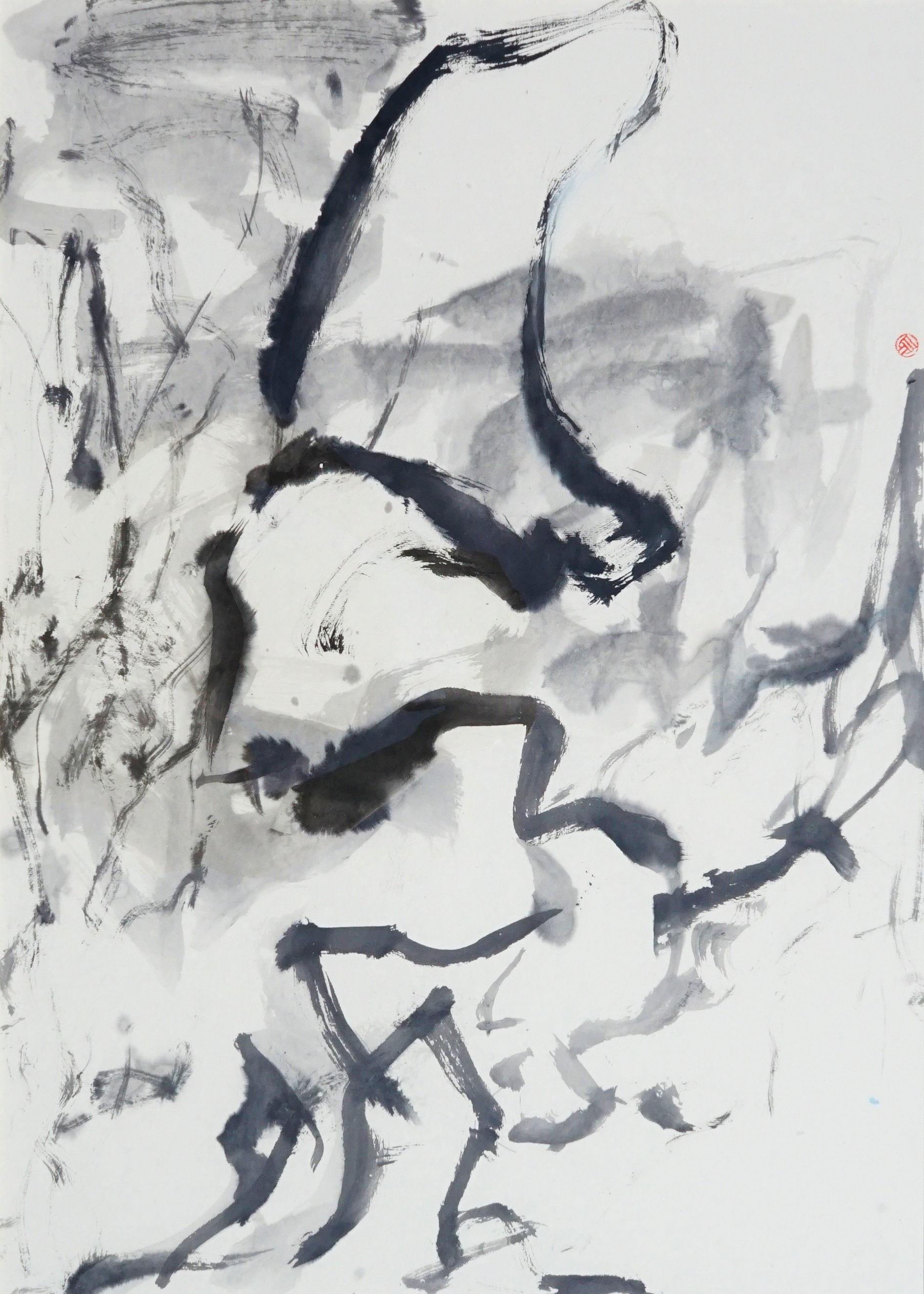
Ink Charm
Ink On Paper
50*70cm
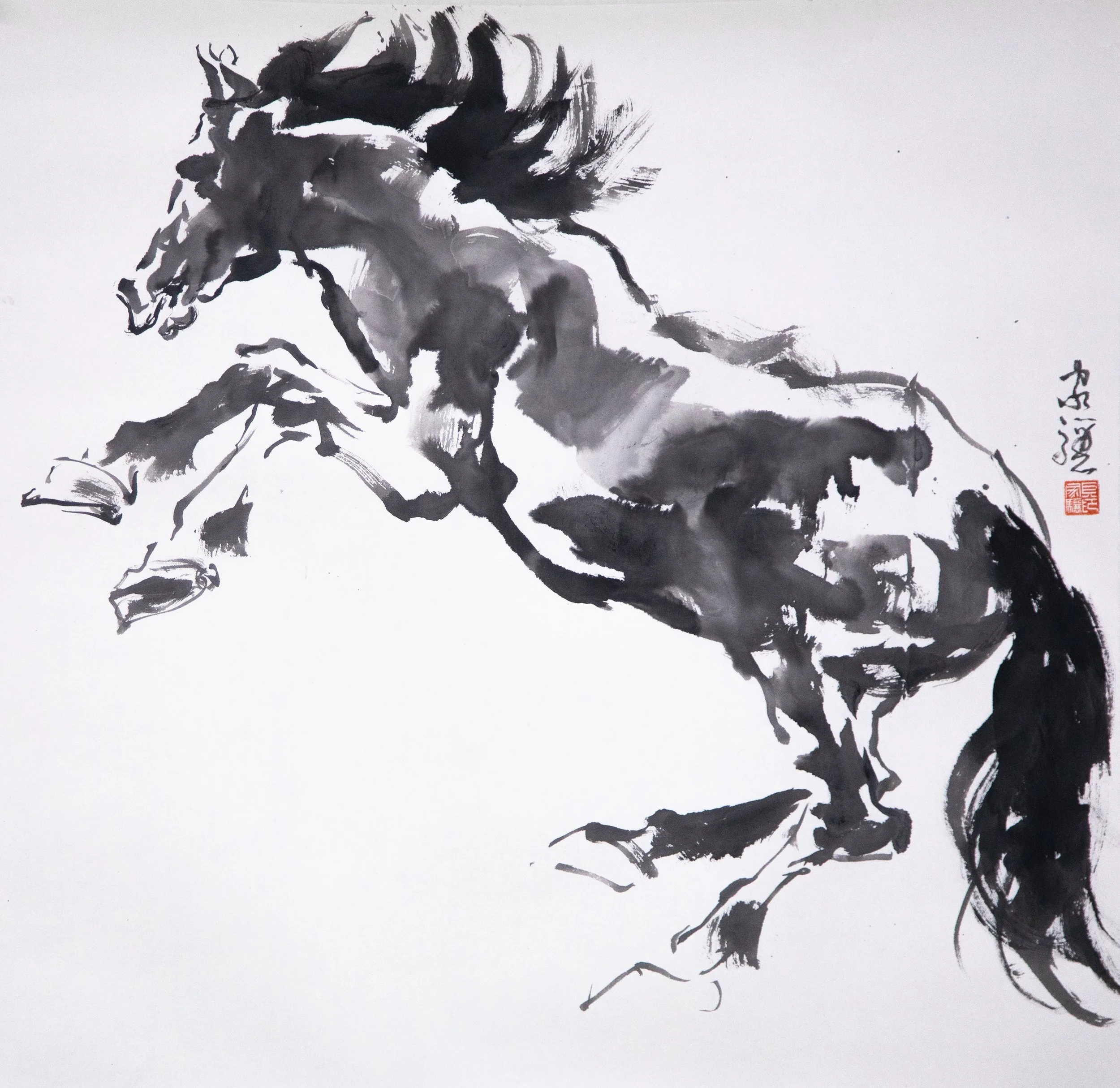
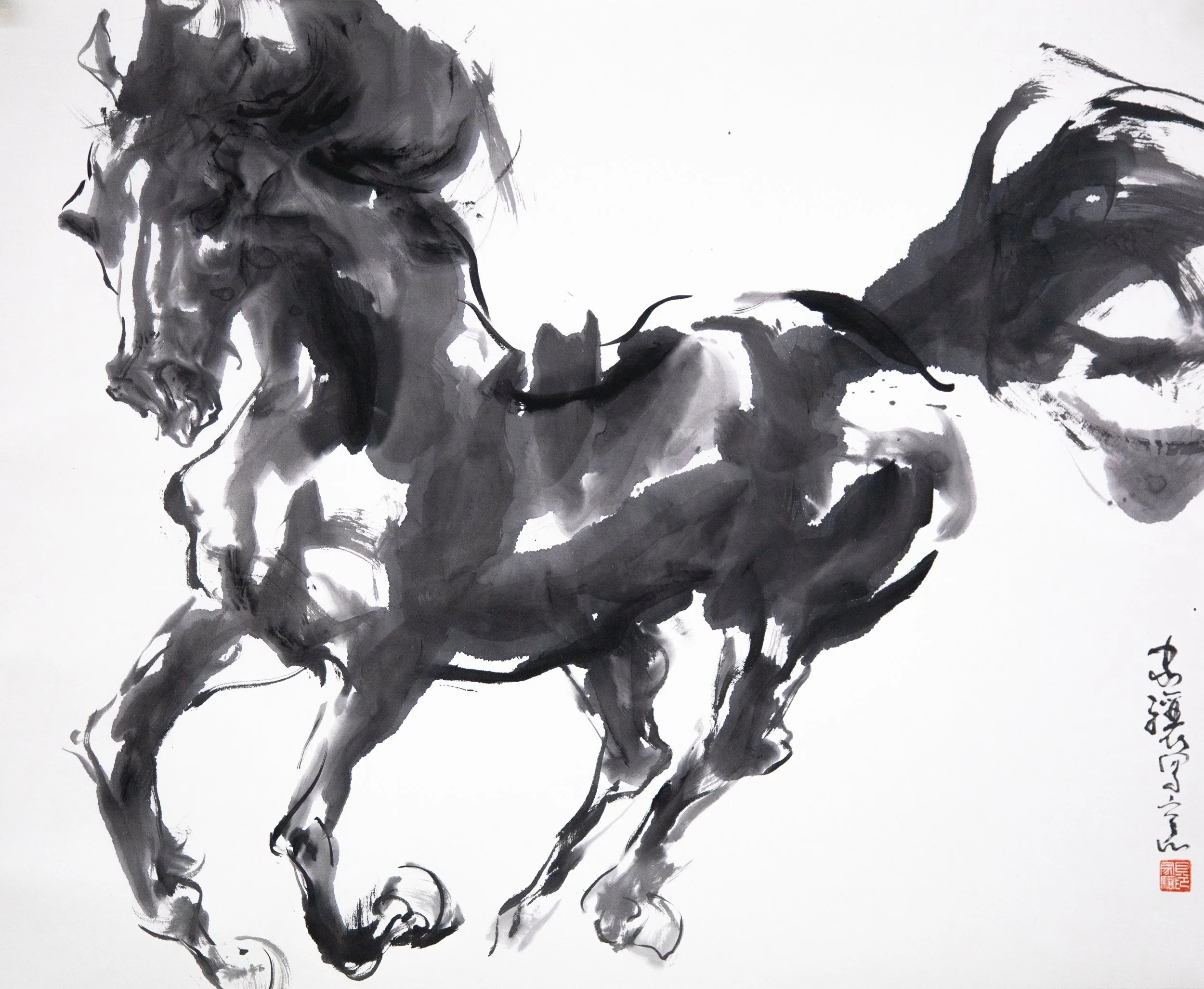
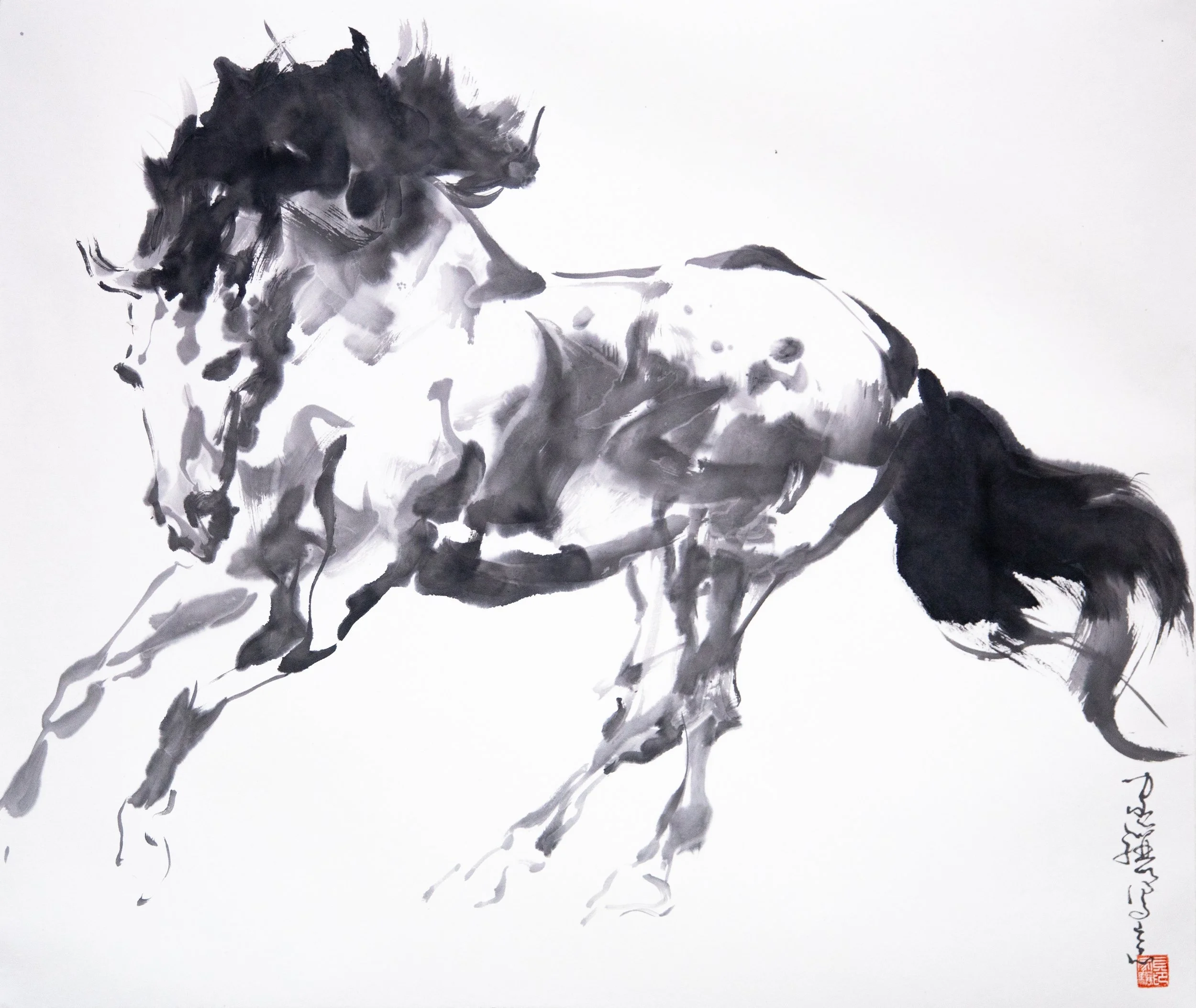
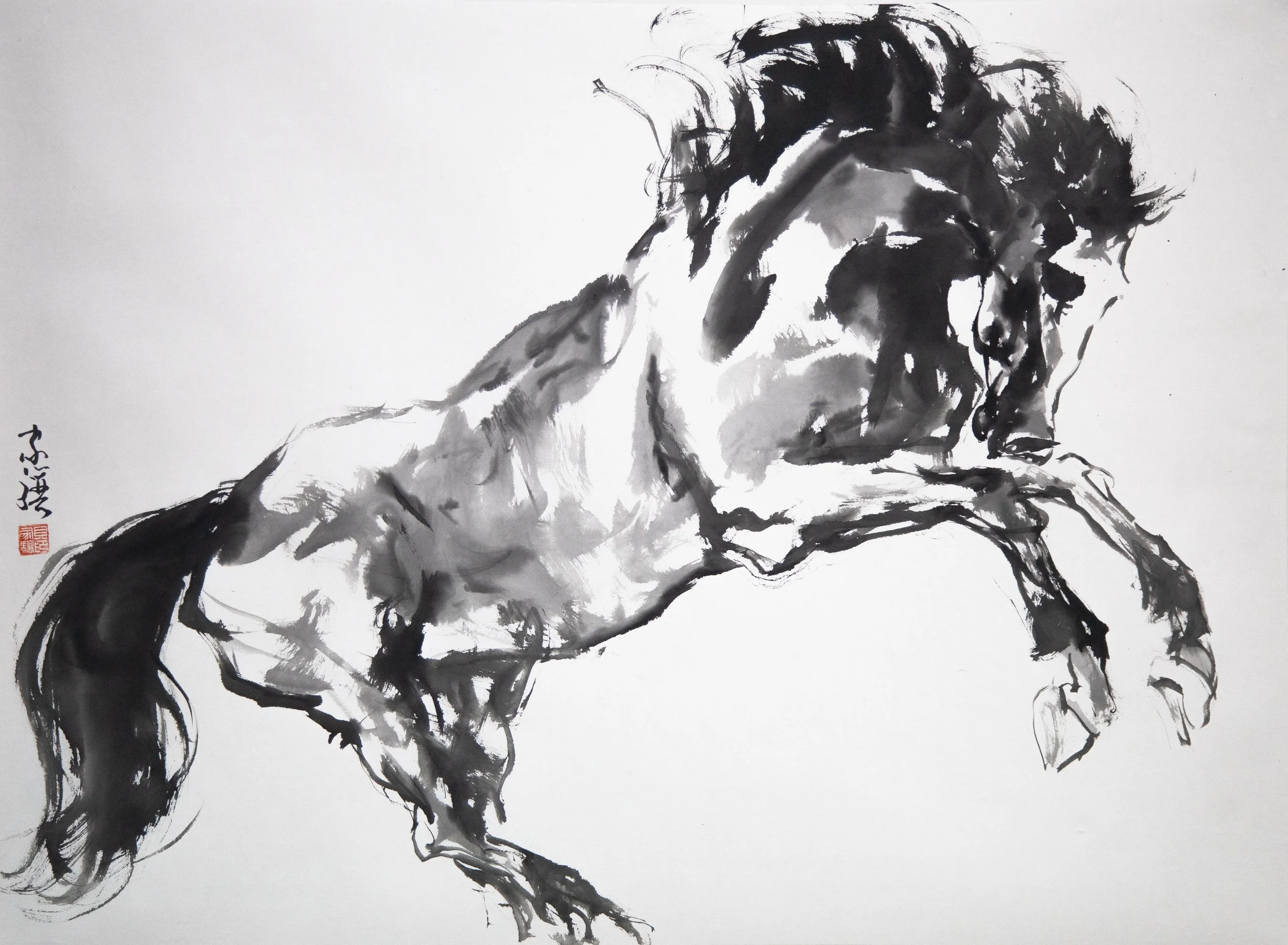
If placed within the continuum of art history, BEI’s ink horses inherit the wild ink-play of XV Wei’s Donkey-Back Poetry yet subtly embed the philosophical meditations on existence and vanishing found in Giacometti’s Walking Man. The horses’ skeletal muscles dissolve into clashing ink blots, their manes transformed into the sweeping strokes of dried brushes—this highly distilled visual dynamism is akin to the “violent purification” derived from Abstractism. Meantime, BEI’s inherent Eastern quality inevitably shines through the “unfinished-ness” he preserves within the composition—just as Shitao insisted that “brush and ink must keep pace with the times,” these seemingly fragmented forms open portals to boundless imagination.


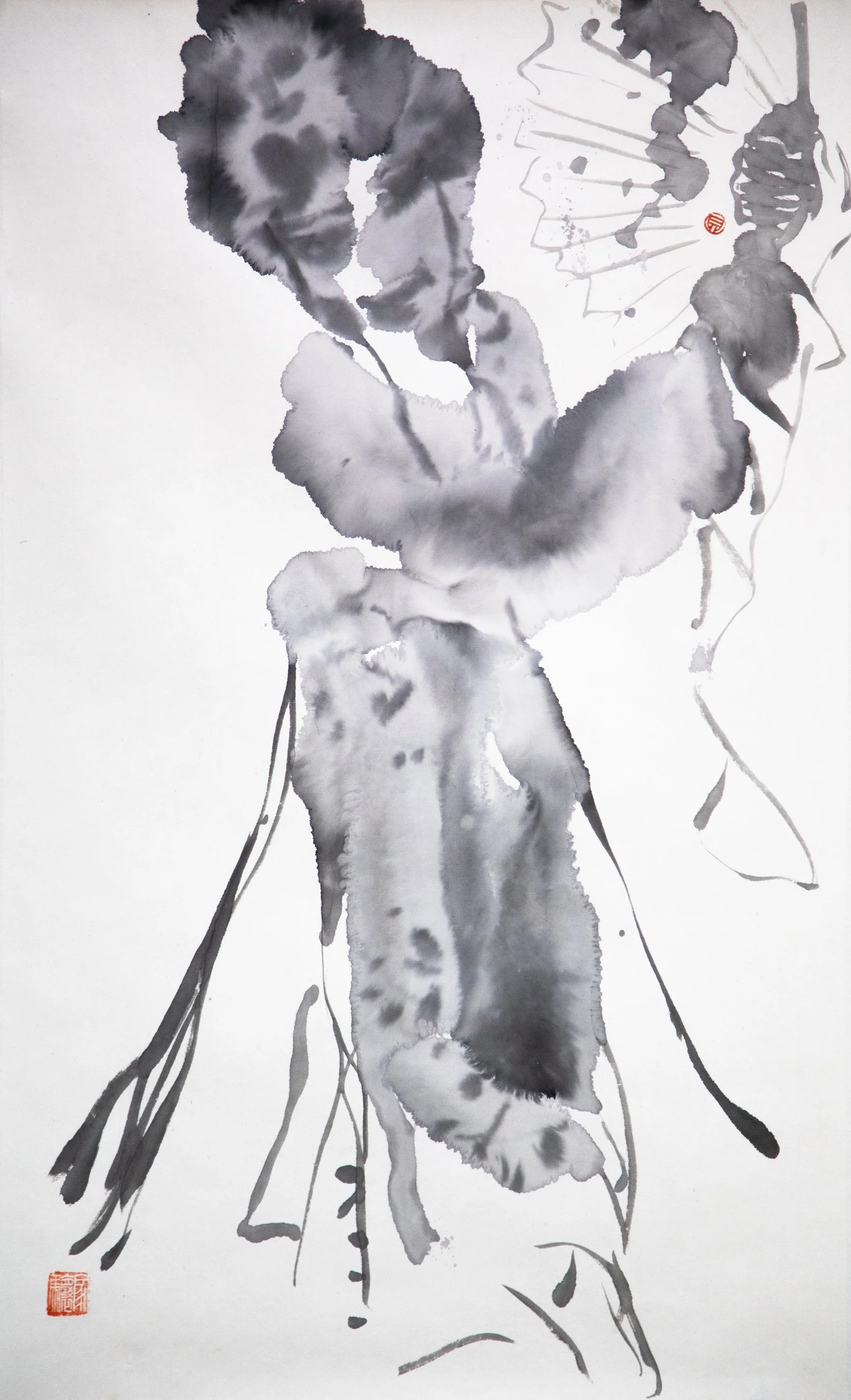
BEI’s portrayals of opera characters further reveal his cross-cultural artistic ambition. The dramatic lighting technique he absorbed during his early oil painting studies crystallize in his ink series as a deconstruction of Beijing opera’s stylized gestures. Whereas GUAN Liang’s opera figures retain a childlike naïveté, BEI pushes further—extracting the conceptual essence of each roles into the interplay of ink’s gradations. The proud tilt of the male figure’s long beard exudes heroic grandeur, while the dancing water sleeves of the female character evokes a lyrical persistence akin to their signature arias. This abstraction and synesthetic treatment of opera’s core echoes contemporary art’s broader impulse to “reconstruct traditional symbols.”
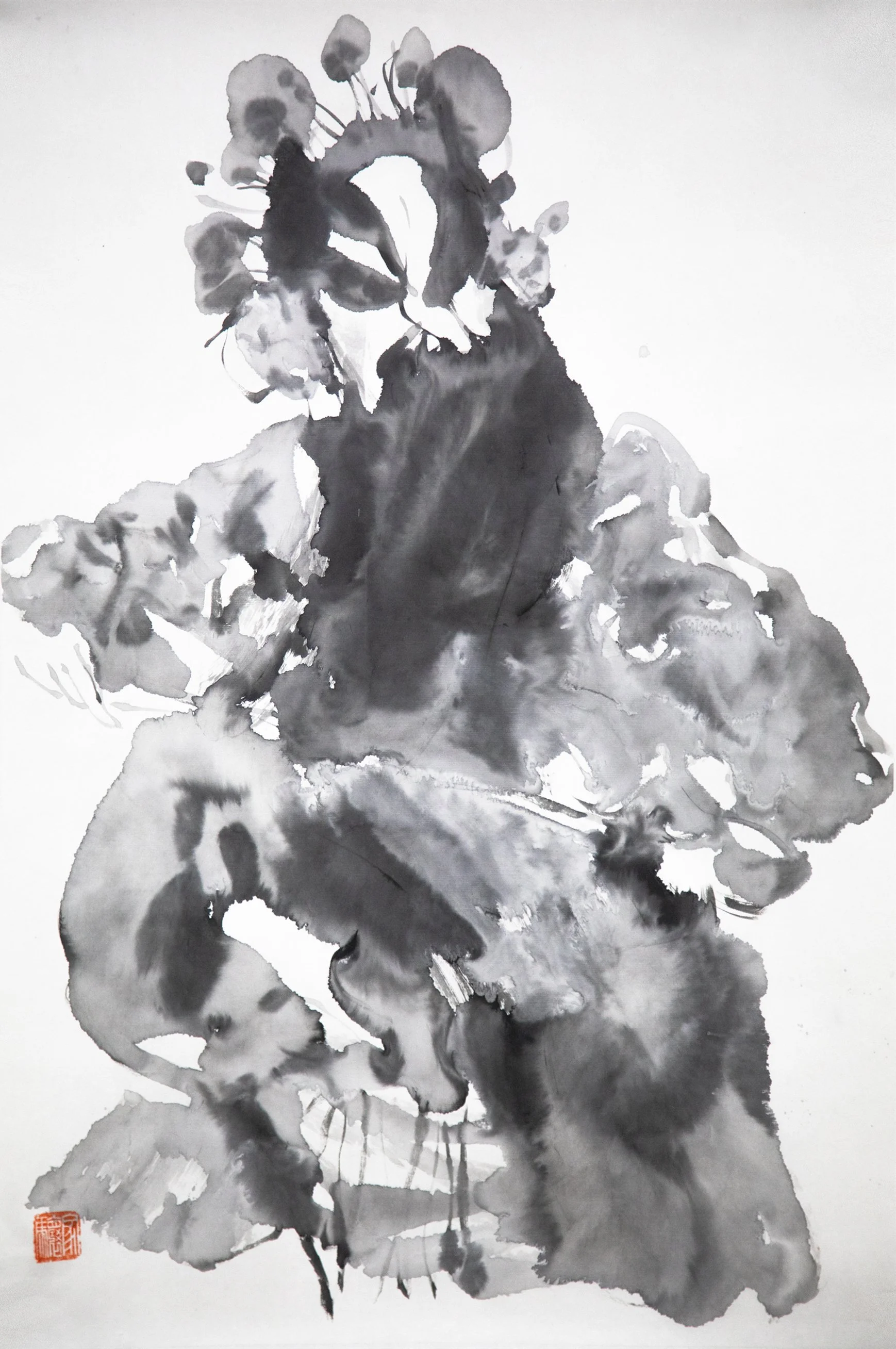
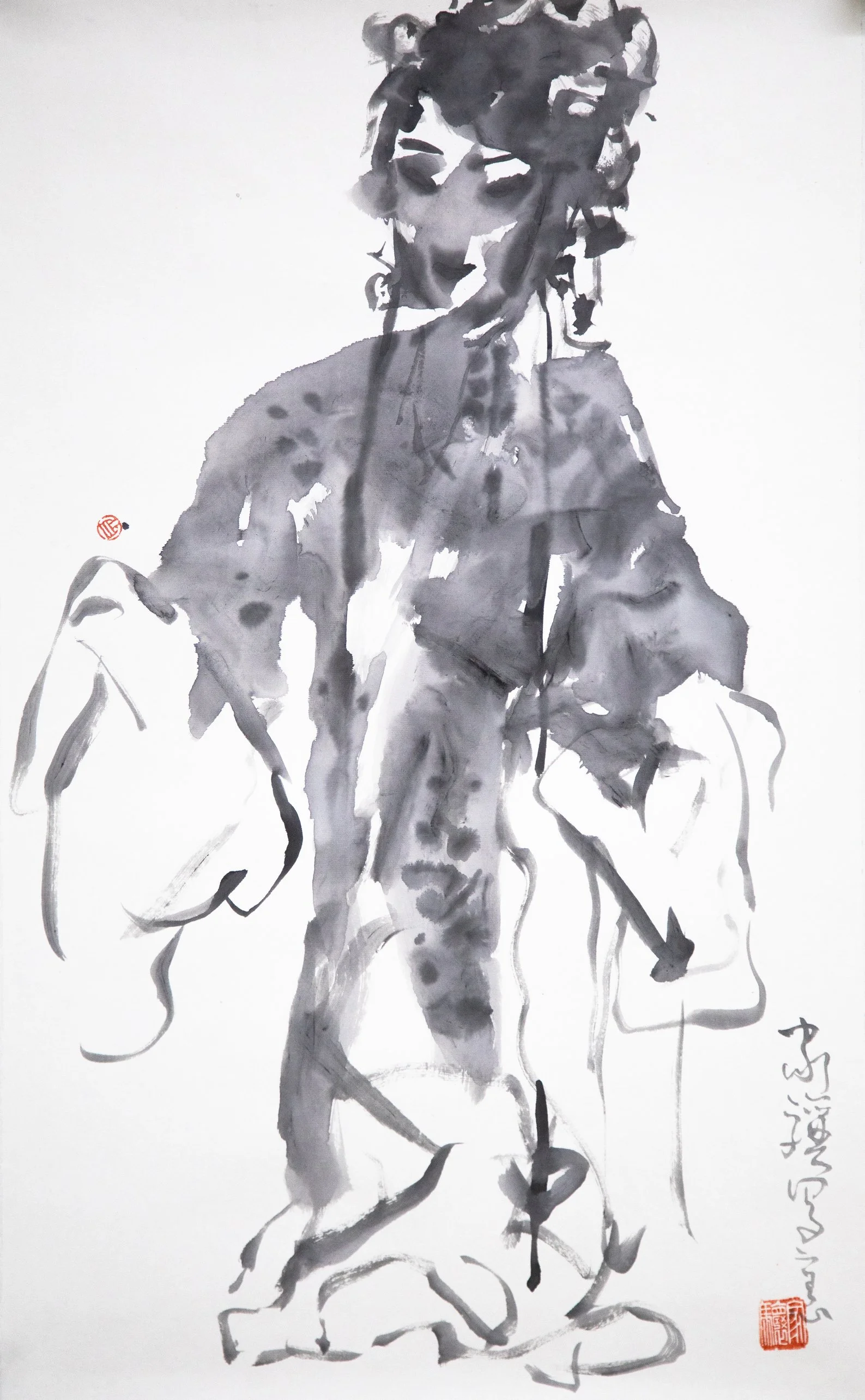
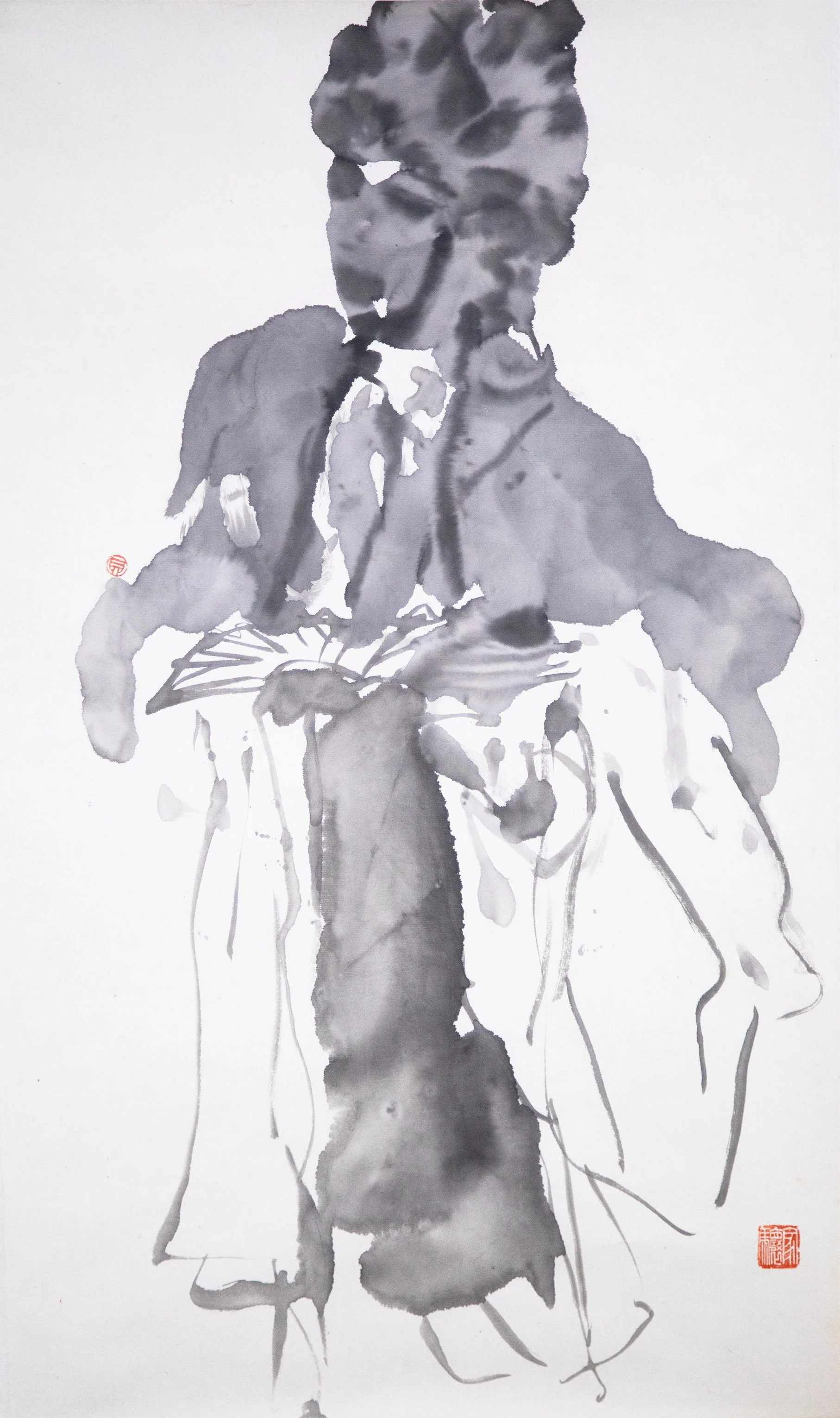
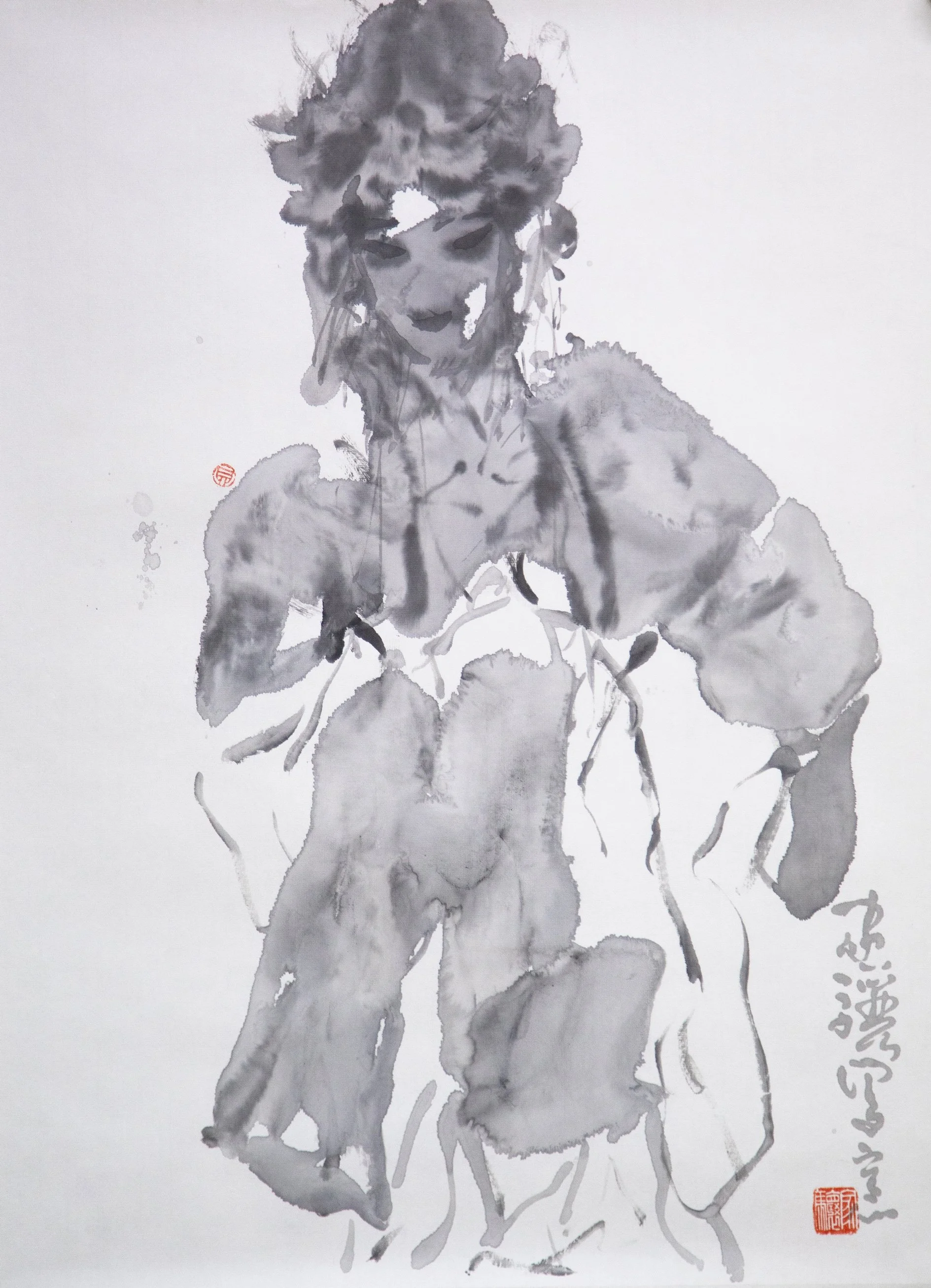
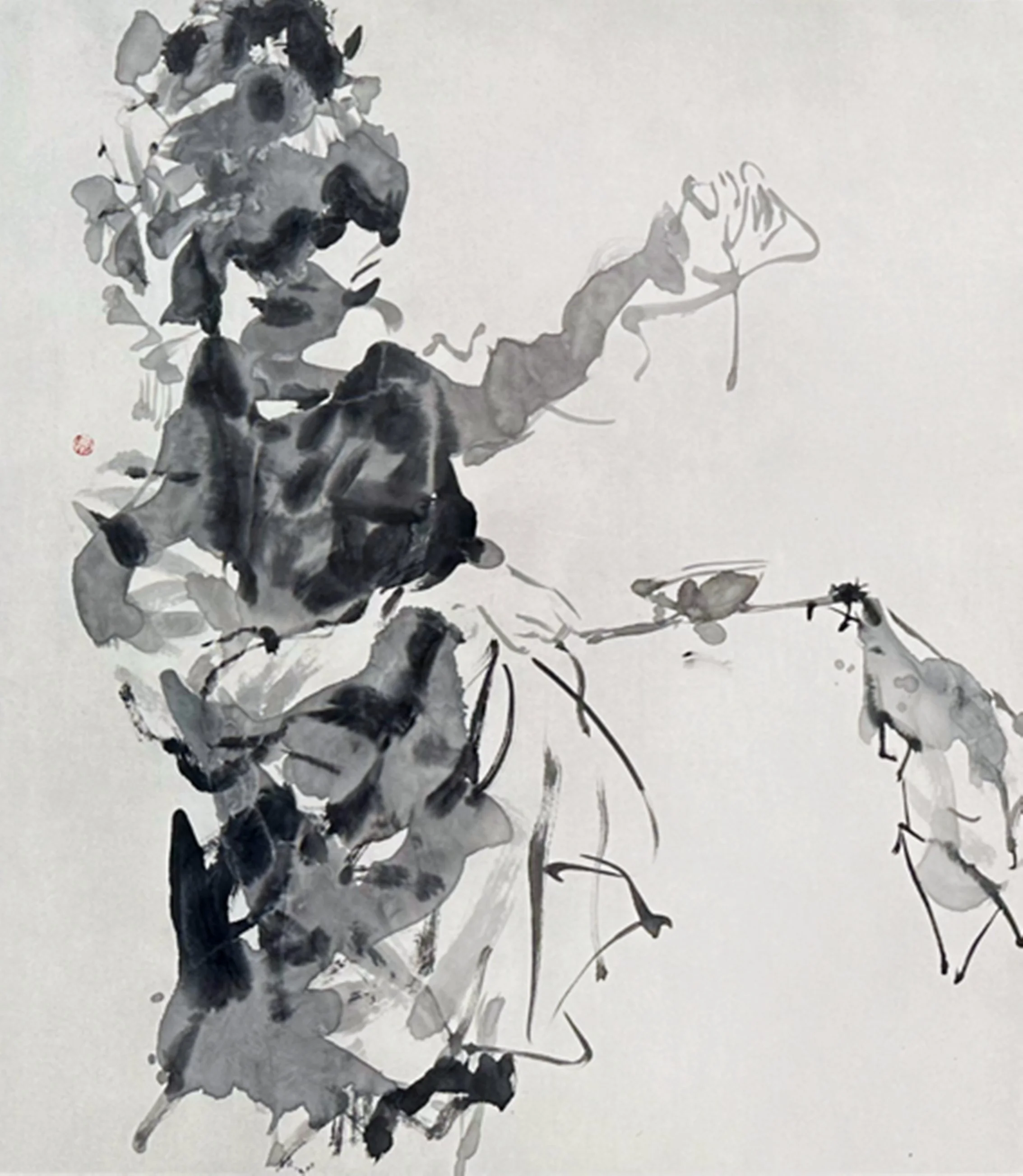
In the Ink Figures and Moonlit Lotus Pond series, BEI’s oil painting lineage fully emerge. In the former, the curvilinear rhythms of Matisse’s Dance are infused into ink wash, with ink body contours naturally dissolving on raw xuan paper to evoke an ethereal, infrared-thermal-imaging-like effect. The latter reconfigures the lotus pond through Cézanne’s structural consciousness from Mont Sainte-Victoire, reconciling the withered lotus of Bada Shanren with Monet’s water lilies within the spontaneous ink splashes. BEI inverts the additive glazing logic of oil painting into a subtractive ink philosophy—first constructing a color skeleton in dense ink, then layering washes of diluted ink that build a visual texture akin to geological sedimentation. This experimental materiality engages in dialogue with XV Bing’s deconstruction of medium transparency in Background Story, and subtly echoes Anselm Kiefer’s New Expressionist credo of “letting materials speak for themselves.”
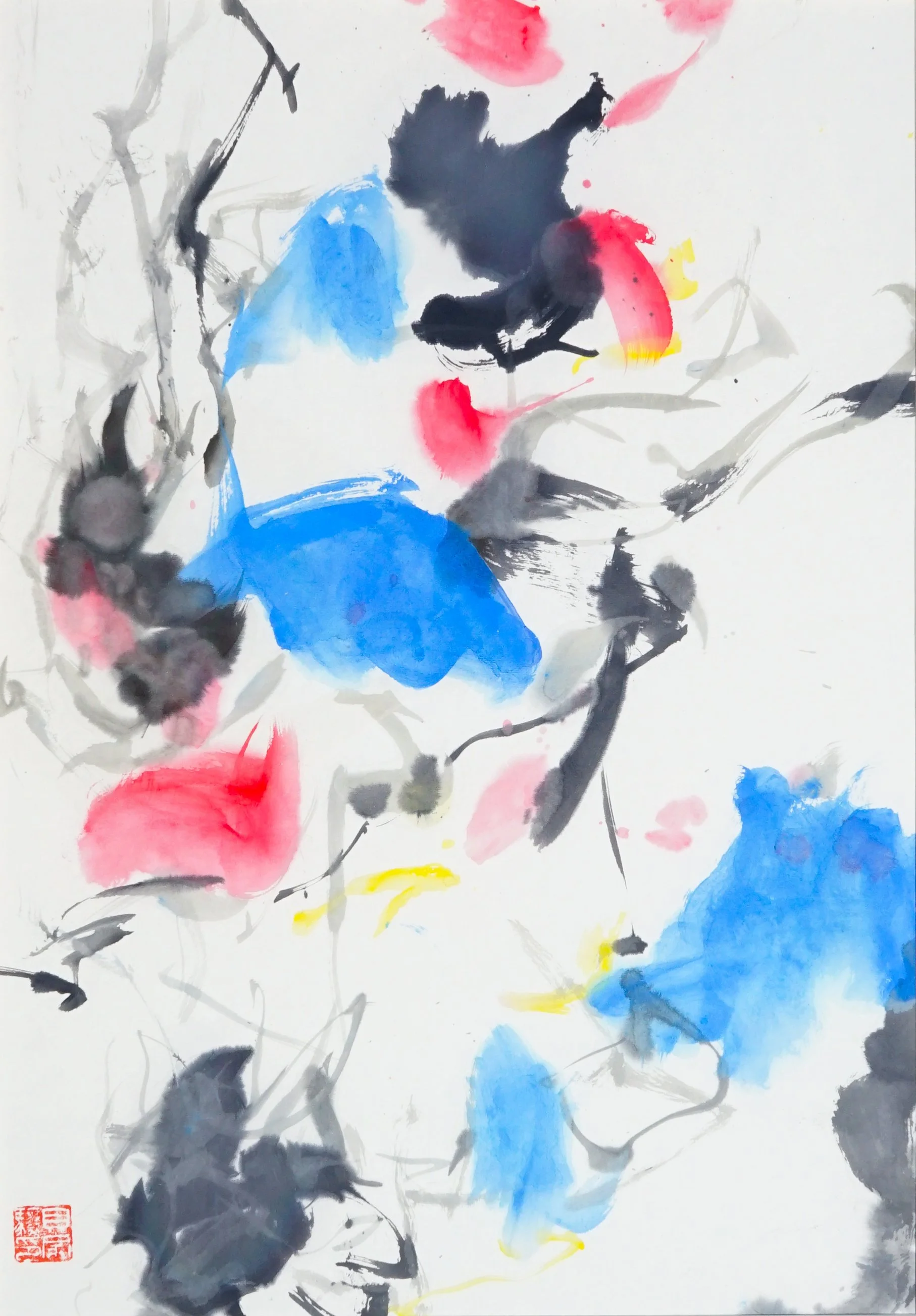

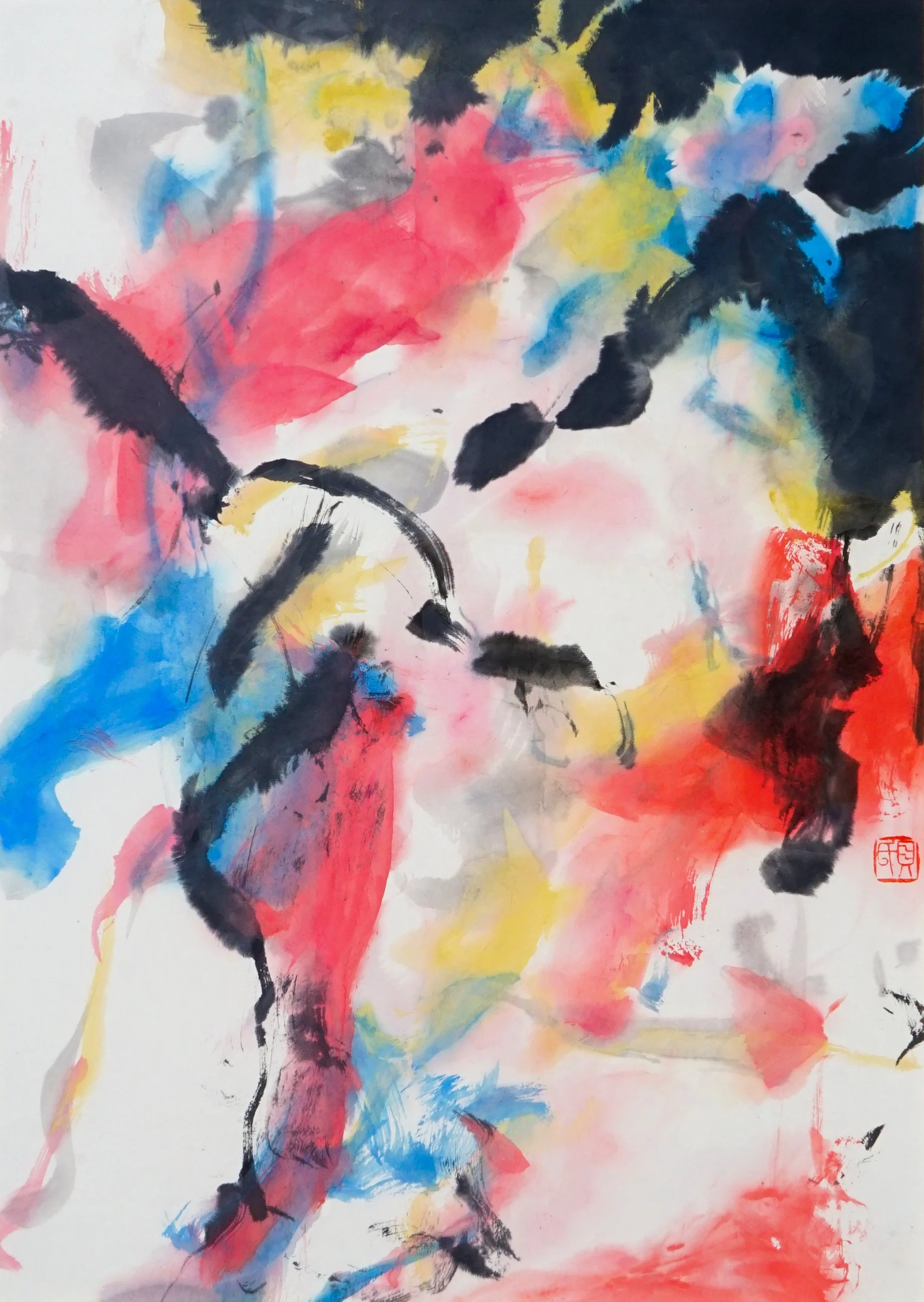
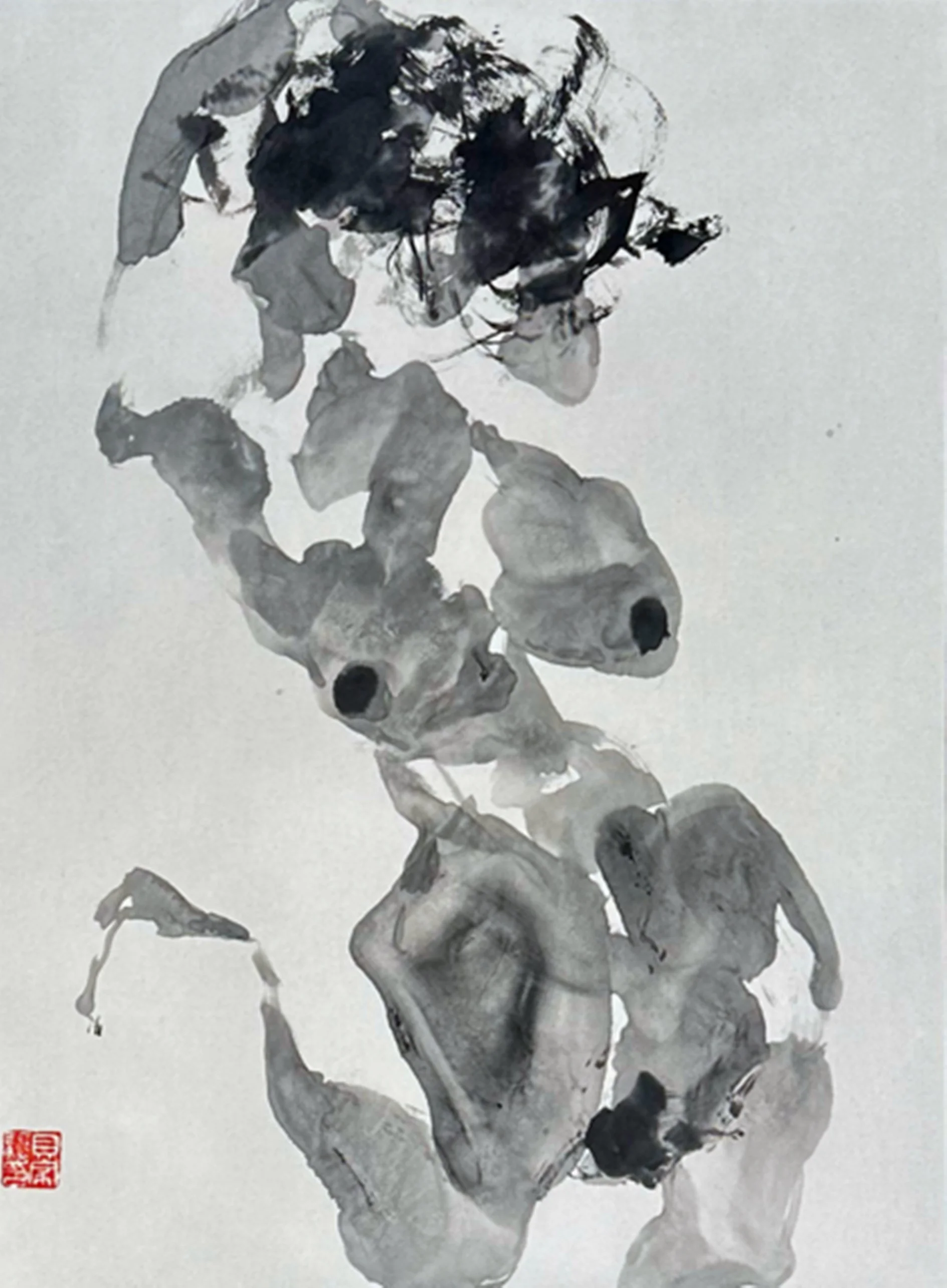
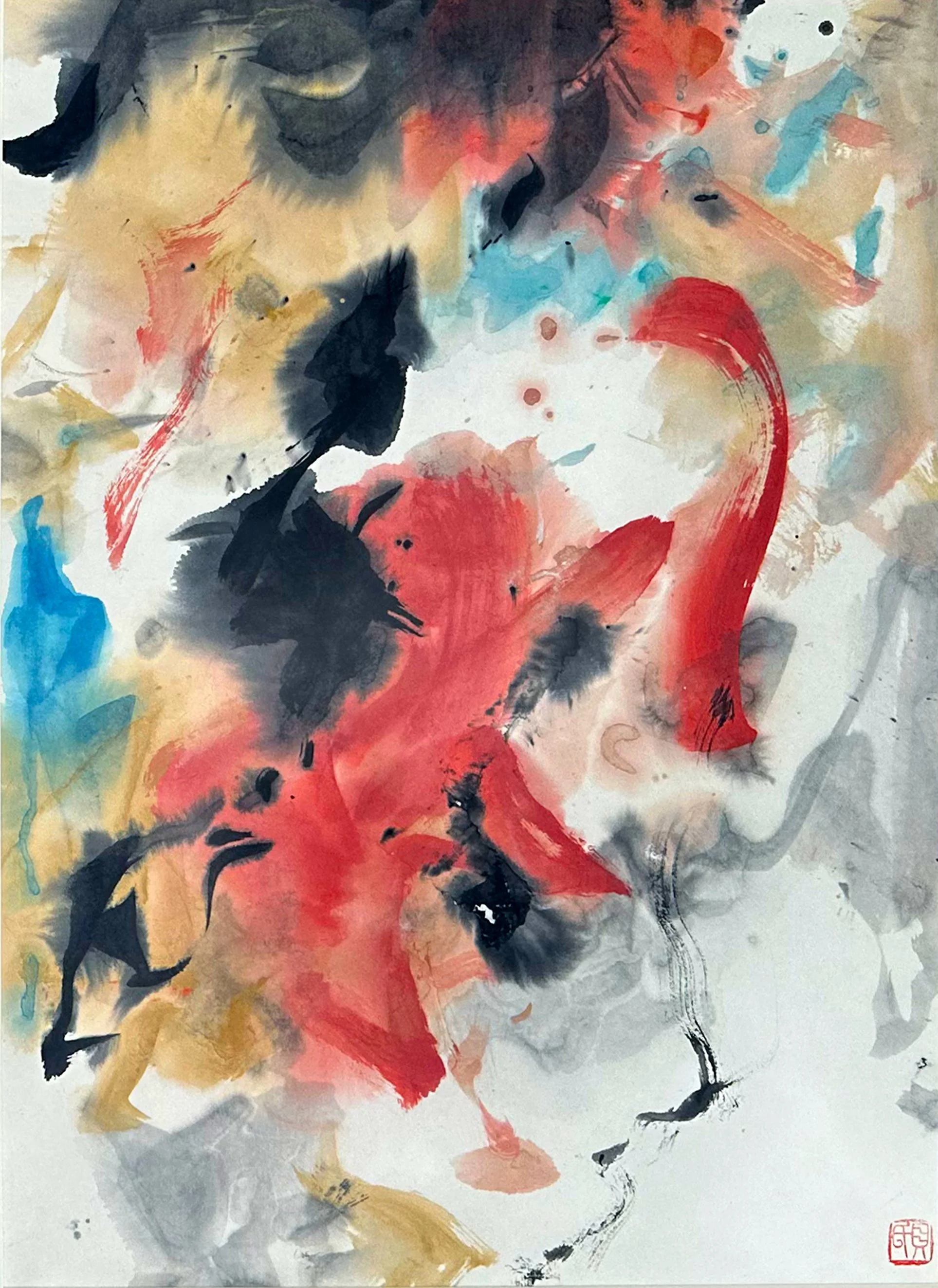
James Cahill once noted in Utility and Pleasure that Chinese painting’s value lies in “simultaneously bearing philosophical speculation and sensory delight.” BEI’s ink practice unquestionably offers a contemporary commentary on this statement. Ink wash no longer remains an aging school; rather, it becomes the pulse connecting past and future, material and spirit. BEI Jiaxiang’s series vividly demonstrate that the oldest medium often conceals the sharpest future.