
Unfinished Beauty
This is a series of ink wash sketches of Chinese Opera figures by BEI Jiaxiang. Originally conceived as the inspirational seeds for formal oil paintings, their purpose seemed to end once the oil paintings were completed. However, BEI’s apparent compassion for these sketches led him to preserve them, inadvertently creating an Eastern footnote on the concept of "unfinished aesthetics."
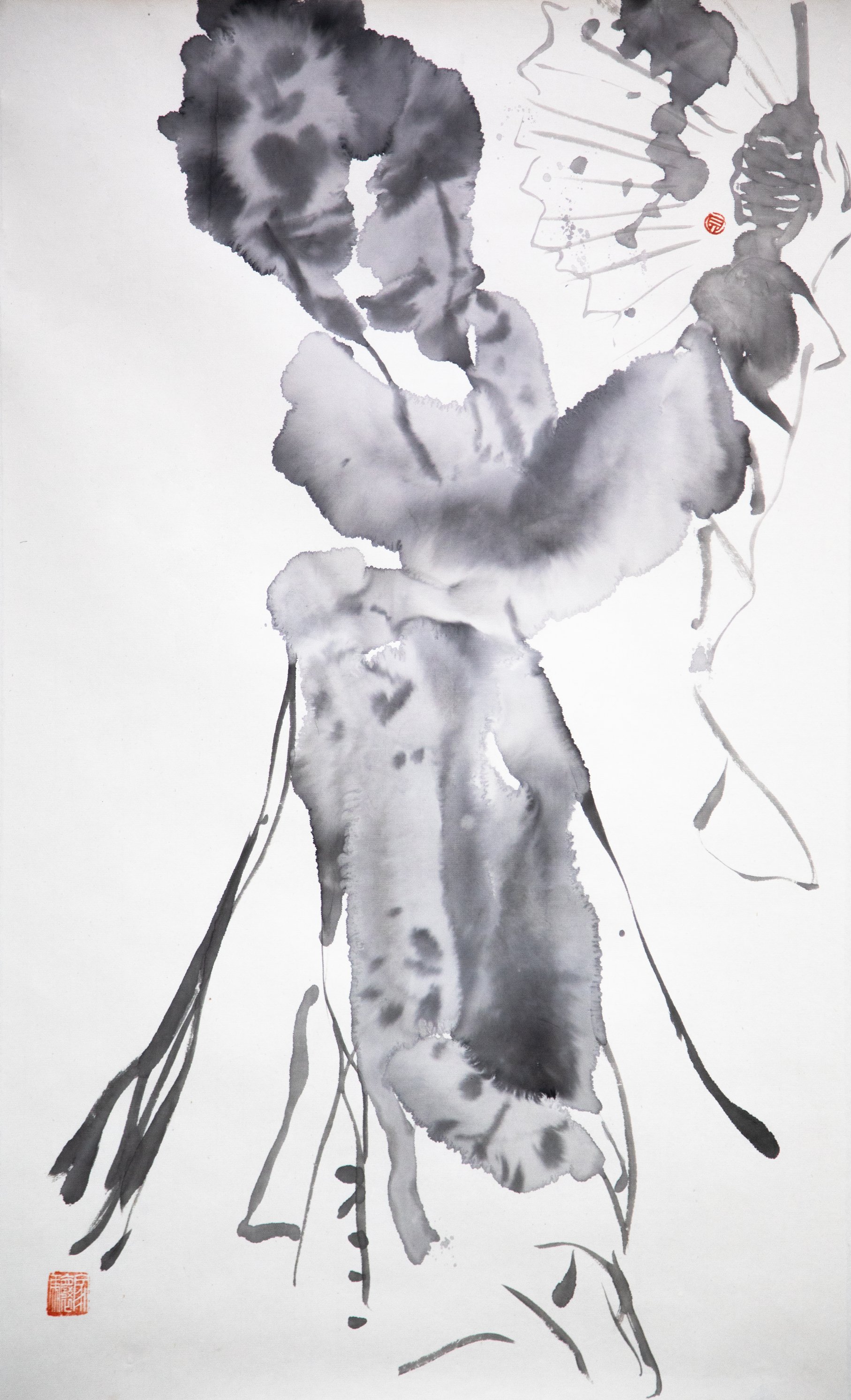
Opera Figure 02
Ink On Paper
48*79 cm
The idea of The Shared Origin of Calligraphy and Painting in Chinese art is reflected not only in the interchange of techniques but also in a similar, carefree attitude. From the mottled ink stains of Pingfu Tie (Tie is an unofficial calligraph piece)to the bleeding tears of Draft of a Requiem for My Nephew, and from the spontaneous brushworks of Shiqi Tie to the uninhabited traces of Zixu Tie, what truly moves later generations are those drafts and fragments that were meant to be discarded. The solemnity of stone inscriptions and the formality of official documents gradually fade into the backdrop of history, while these unfinished pieces retain a vibrant essence, their ink still fresh even after a millennium. BEI’s ink sketches are new branches blossoming from this literary lineage—where brushstrokes dance and ink swirls, embodying the ancient wisdom of calligraphers that “inscriptions are inferior to drafts, and drafts are superior to nothing” within the realm of painting.
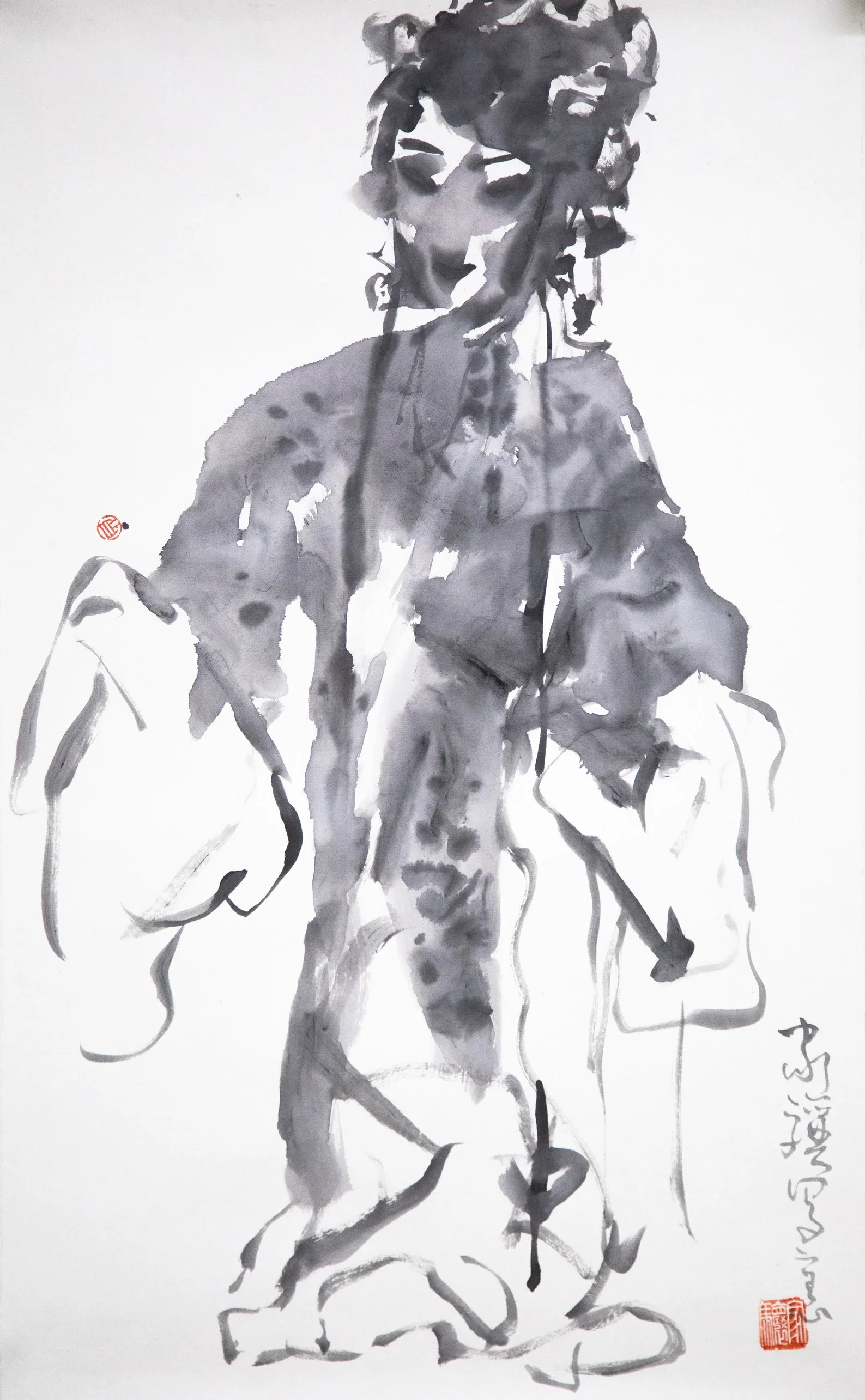
Opera Figure 04
Ink On Paper
42*68cm
What the West refers to as “unfinished”—the blank spaces or traces of ink corrections—are seen by Chinese literati as interpretations of “vitality and spirit”, representing the most authentic state of artistic creation. During the Southern and Northern Dynasties (6th century), the critic YAO Zui remarked that painting was “not for others, but for self-entertainment”, which is regarded as one of the earliest comments on the concept of artistic creation in China. Later, during the Tang Dynasty, WANG Wei pioneered the integration of poetry and painting, leading to the formal establishment of a unique genre: literati painting. Literati painters, often officials or those in elevated positions, wielded their brushes independently, painting at their leisure without concern for whether the work was finished.
In contrast, the Western art world, devoid of literati painters, underwent a revolutionary discussion about “creative autonomy” not until the twentieth century. Such a grand discourse seems bewildering to Chinese painters, as the ultimate conclusion reached by the Western modernist movements is merely the idea of “self-entertainment”.
Yet, this short phrase took the West fourteen hundred years to arrive at.
This Eastern awakening towards “completeness” finds no resonance in the quarries of Florence. Michelangelo’s Unfinished Slaves encapsulate the craftsman’s helplessness, eternally nailed to the “incomplete” cross even five hundred years later; meanwhile, the impromptu sketches on the desks of Chinese literati have long elevated “careless strokes” to a conscious aesthetic. It was not until the nineteenth century, amidst the tumult of The Raft of the Medusa by Theodore Gericault, that the dawn of Expressionism was glimpsed, and when Picasso proclaimed, “Plant your own sun”, the West truly realized that what is deemed complete is merely a matter of perception.
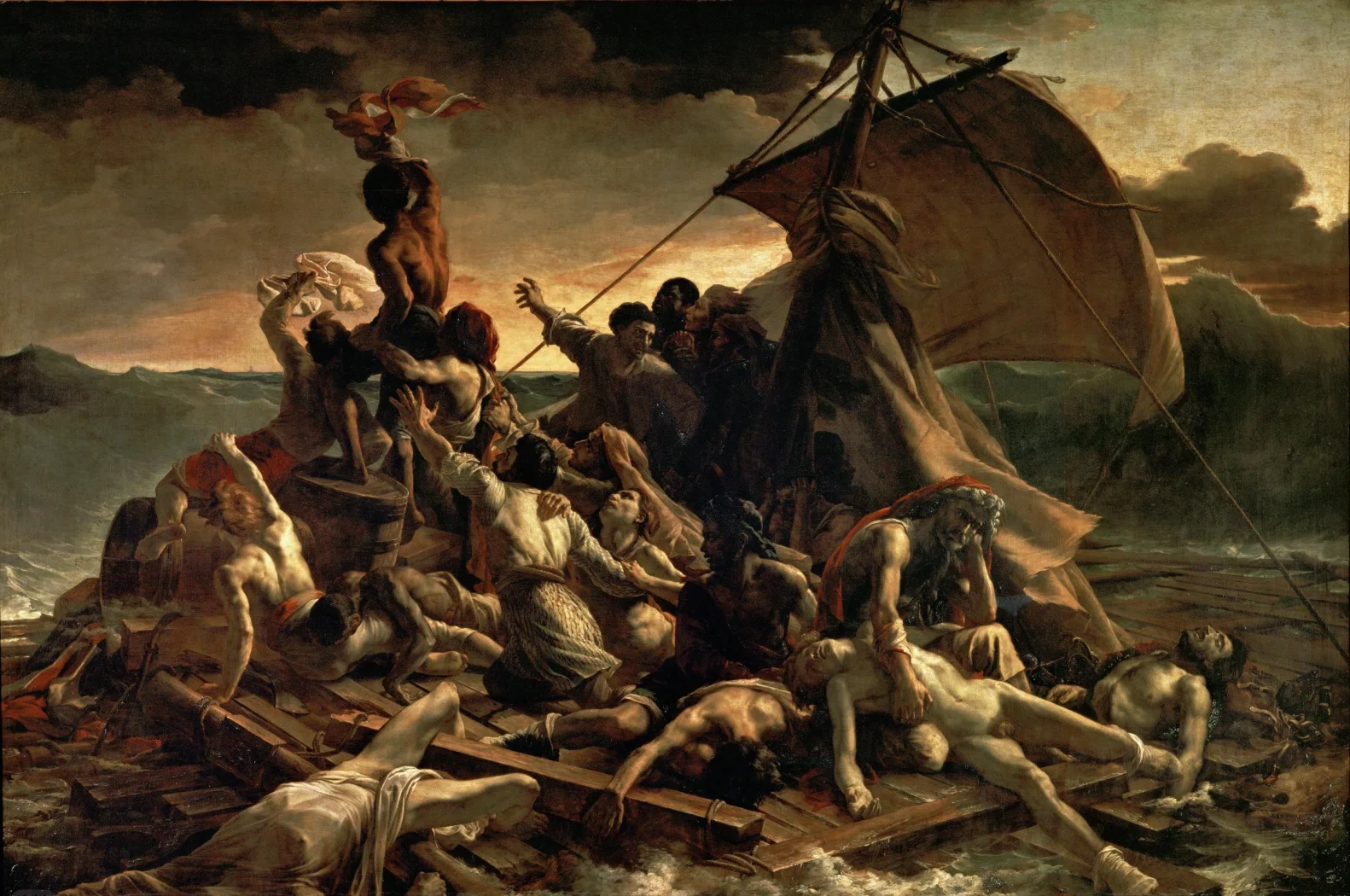
The Raft of the Medusa by Theodore Gericault
Returning to BEI’s easel, those once regarded as mere supplementary ink sketches have now established their own realm. They are not useless drafts but rather the creative essence preserved in the amber of time; they are not unfinished regrets but perfect slices of inspiration that have suddenly emerged.
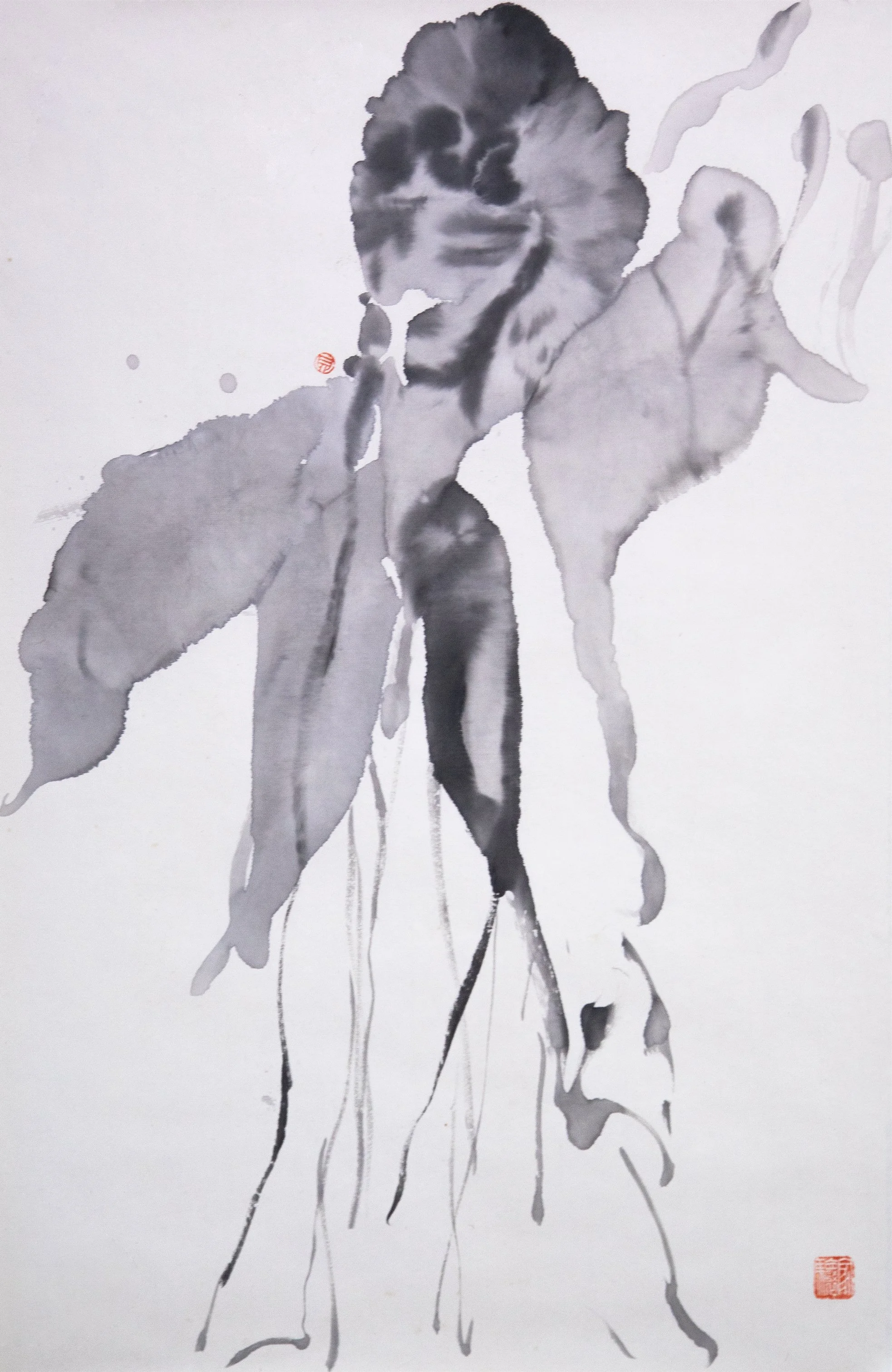
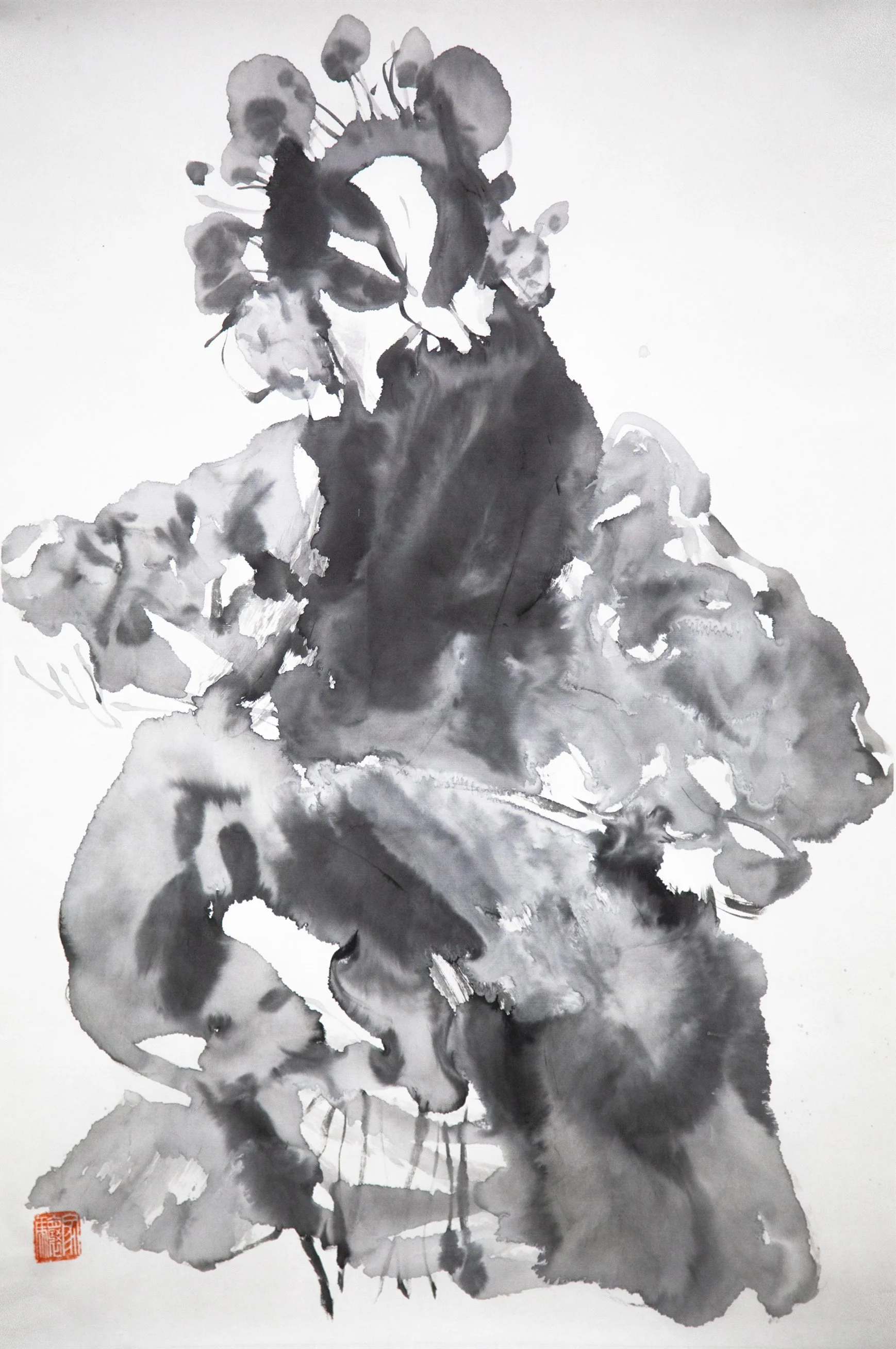
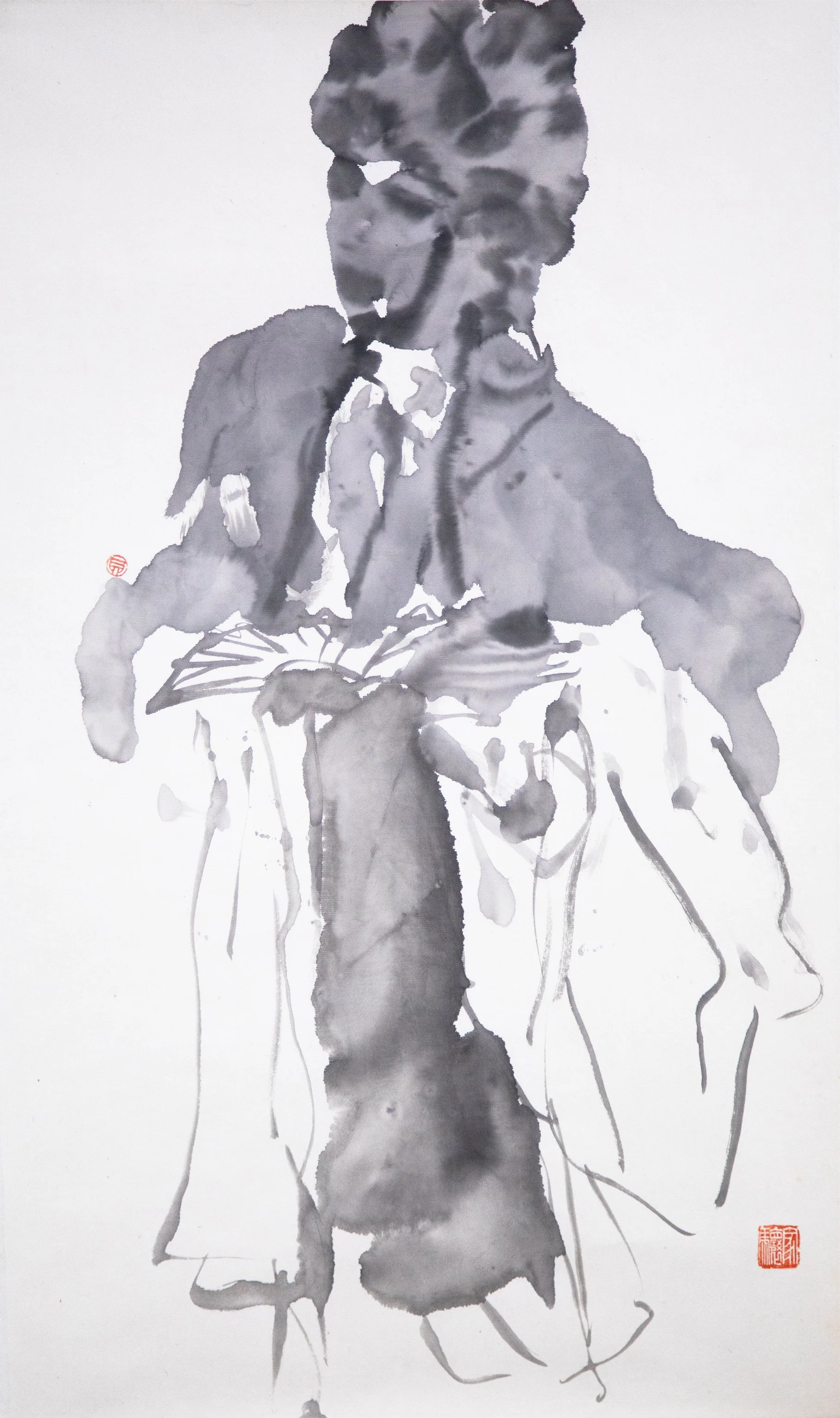
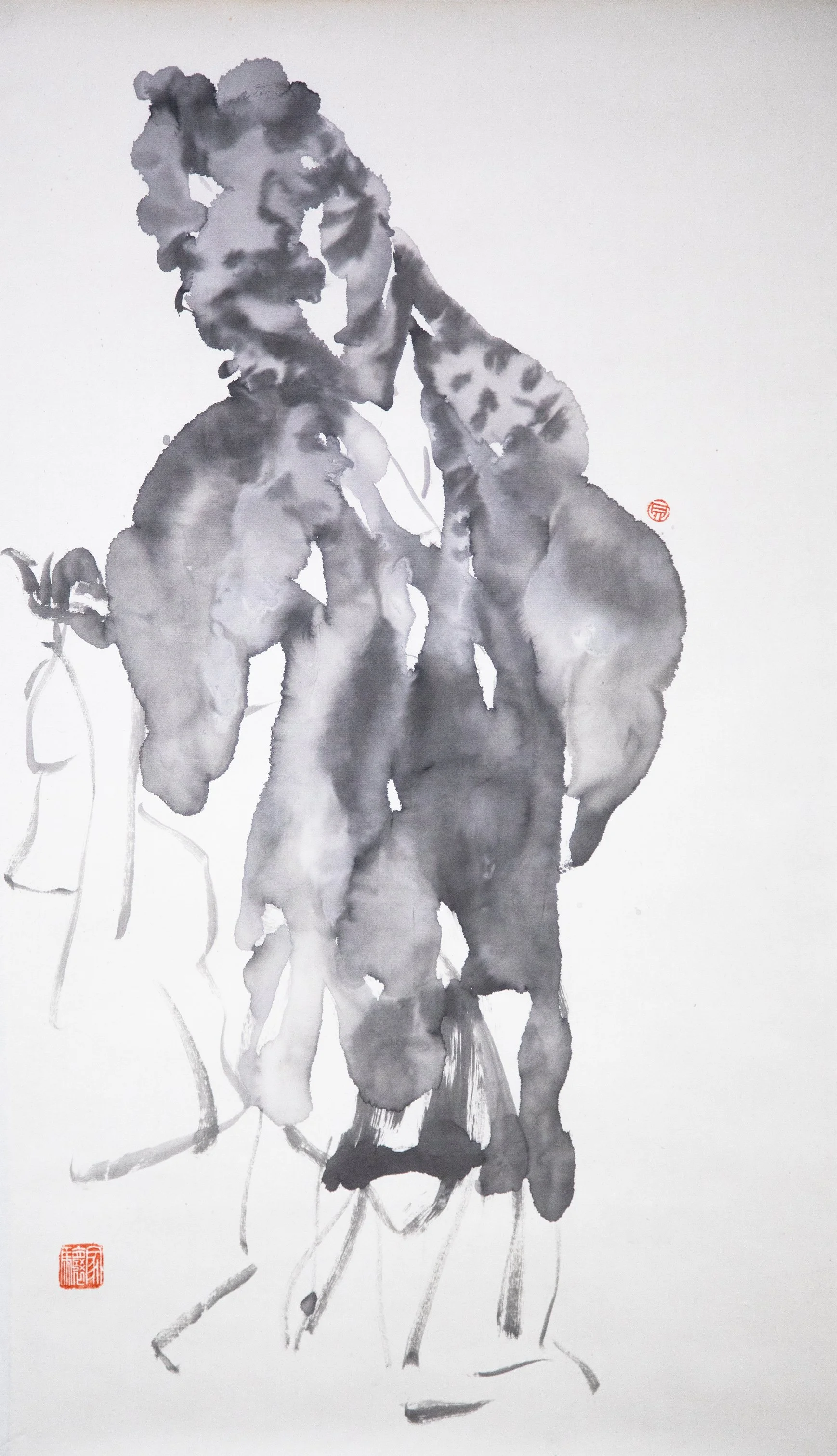
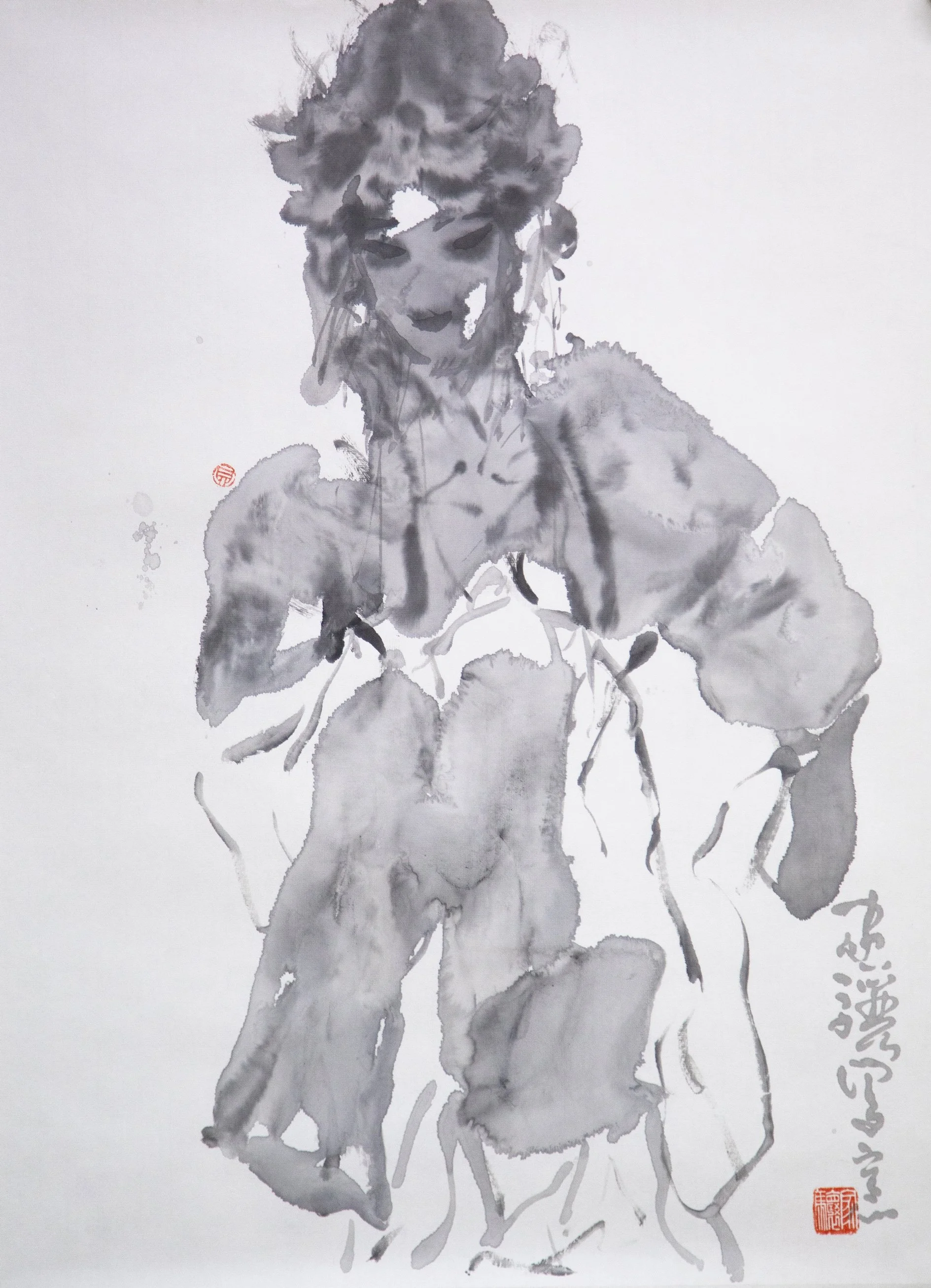
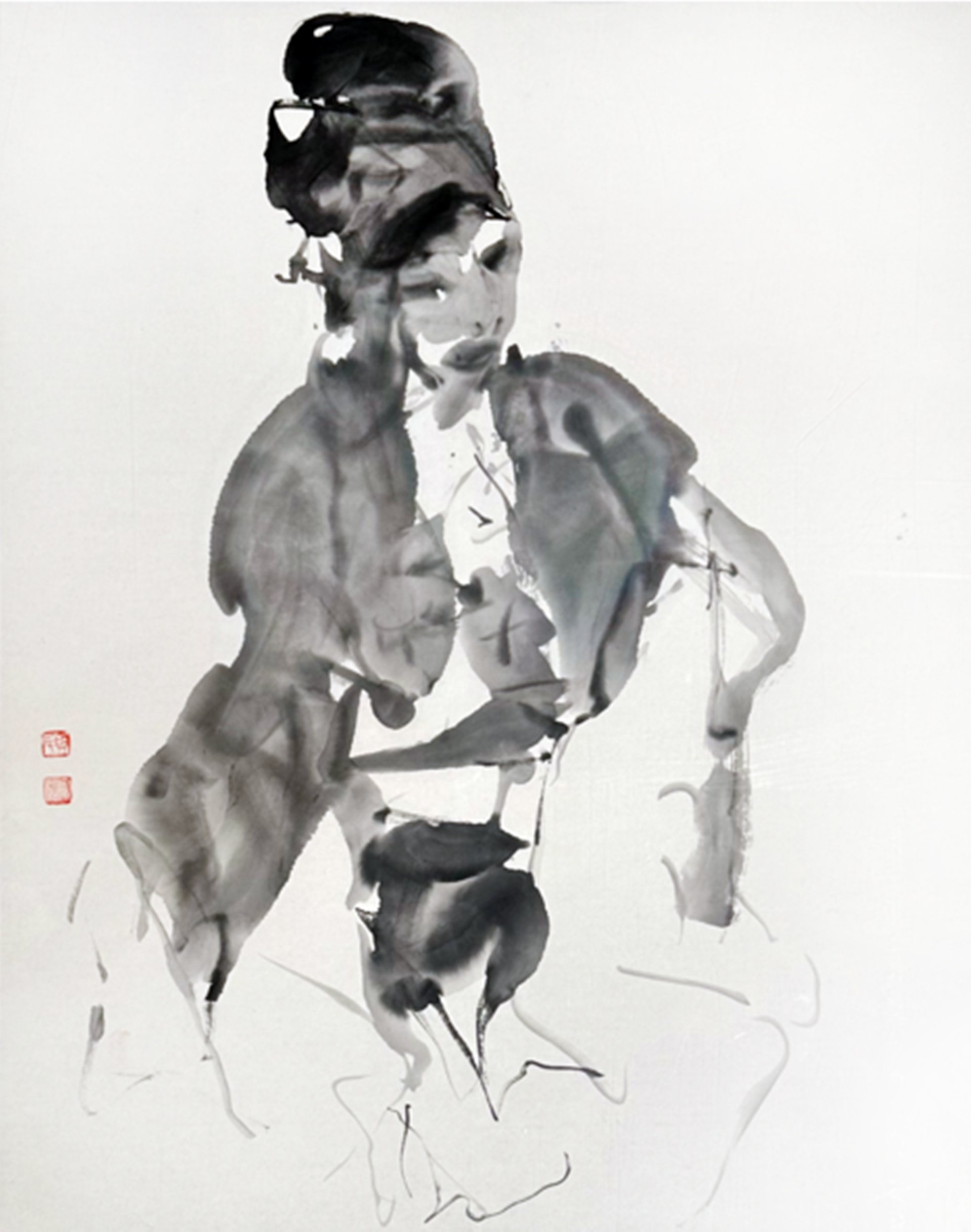
In the ink sketches, BEI emphasizes the fluidity of lines and the variations of ink, creating an ethereal quality through the interplay of light and dark. The details of the costumes are depicted with dragging brushstrokes, complemented by appropriate gradations, showcasing the splendor and elegance of traditional opera attire. Some faces are barely discernible, while others are completely immersed in the ink, appearing as fleeting glimpses of spirit, awaiting an unexpected encounter with the artist. In contrast, the subsequent oil painting series features a more structured composition. The number of figures, their poses, placements, and the guidance of their gazes are all carefully arranged with consideration. However, the ink sketches were free from such concerns from the moment they were created; stripped of all external embellishments, each figure represents BEI Jiaxiang’s utmost joy within this confined space.
While Western modernists loudly proclaimed “artistic autonomy”, Chinese painters had long understood that true completeness does not lie in the perfection of form but in the harmony of the heart and mind. Those seemingly unfinished brushstrokes are akin to the moments of revelation in a theatrical performance—at the instant when an action hangs in uncertainty, the spirit has already reached its pinnacle.