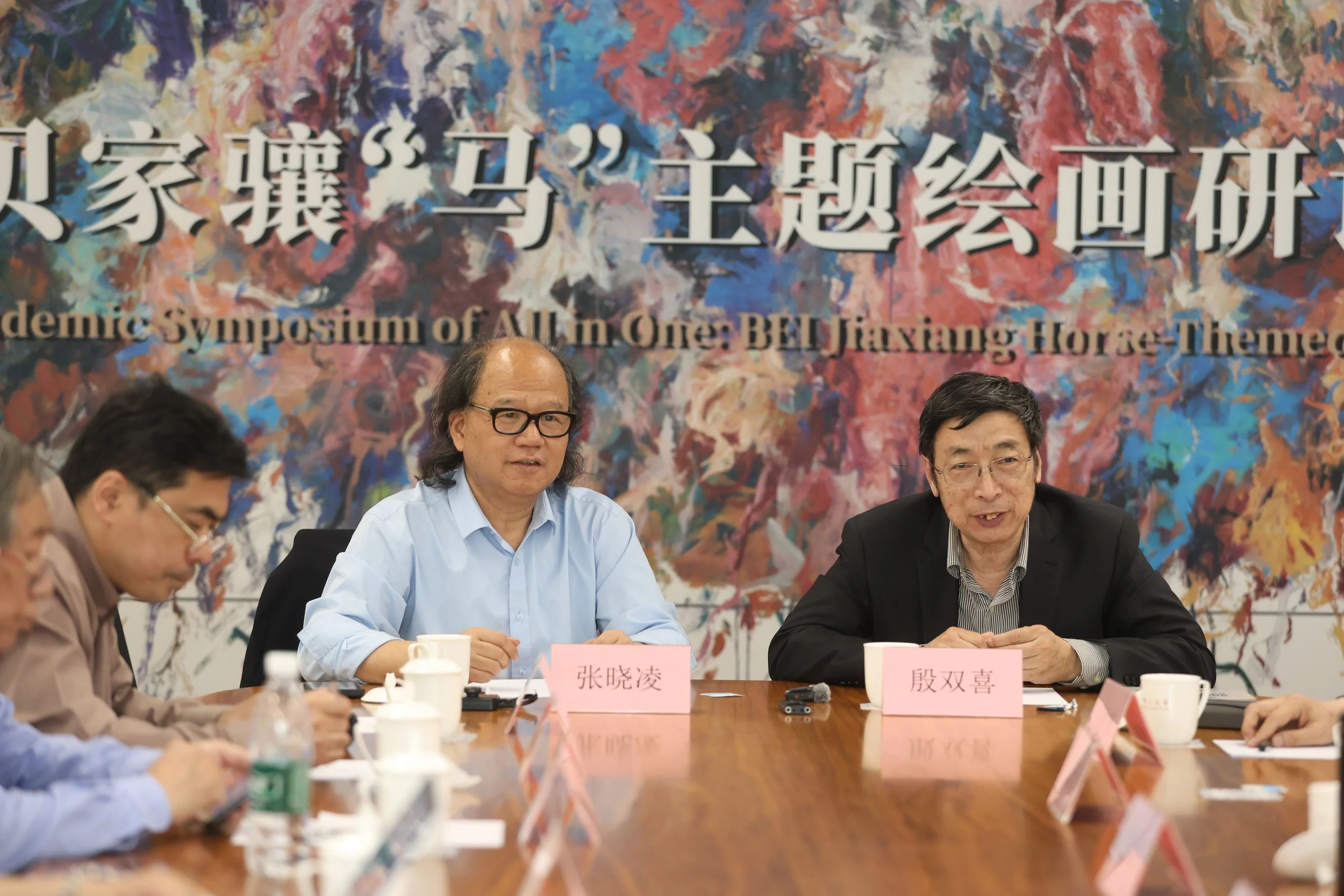
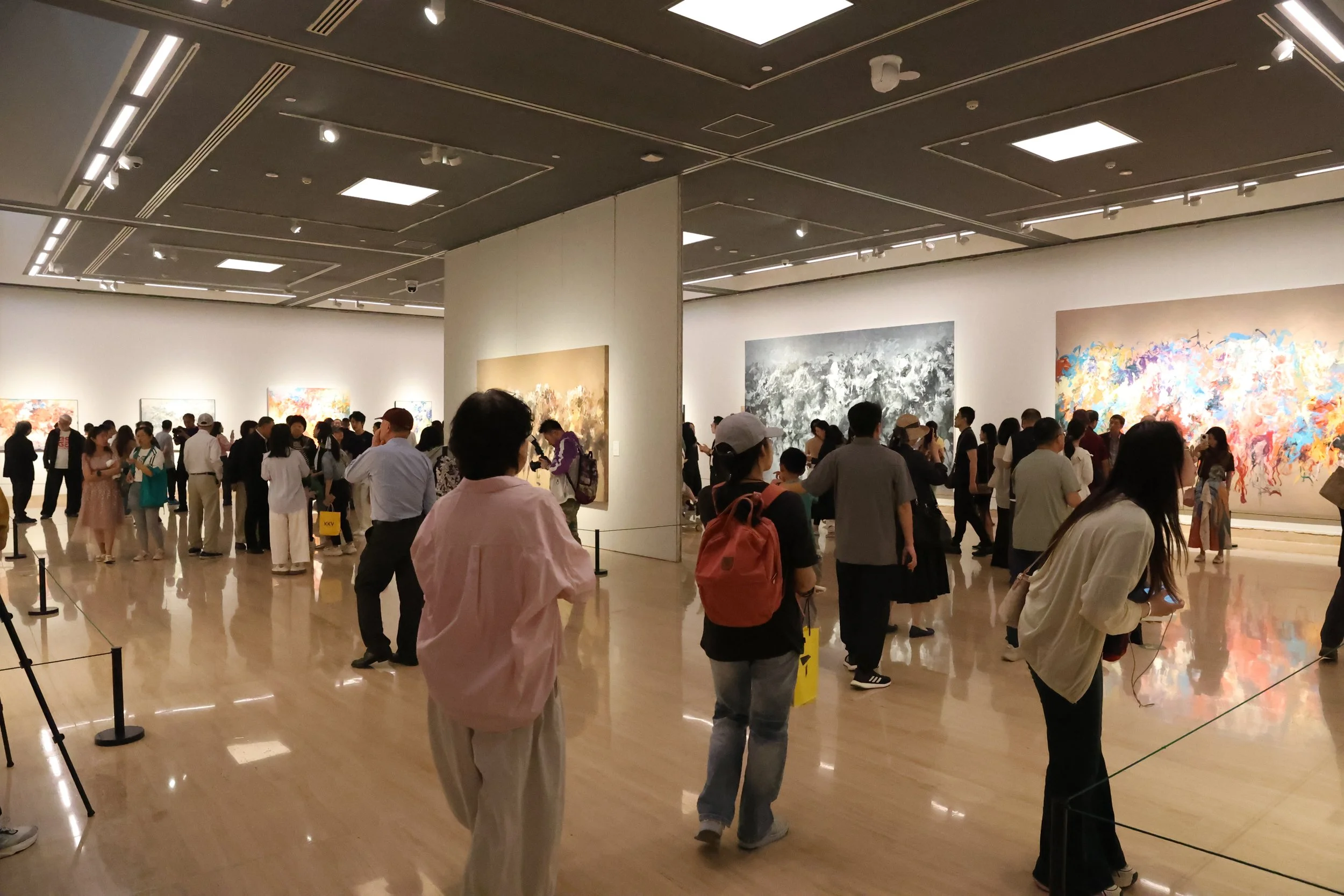
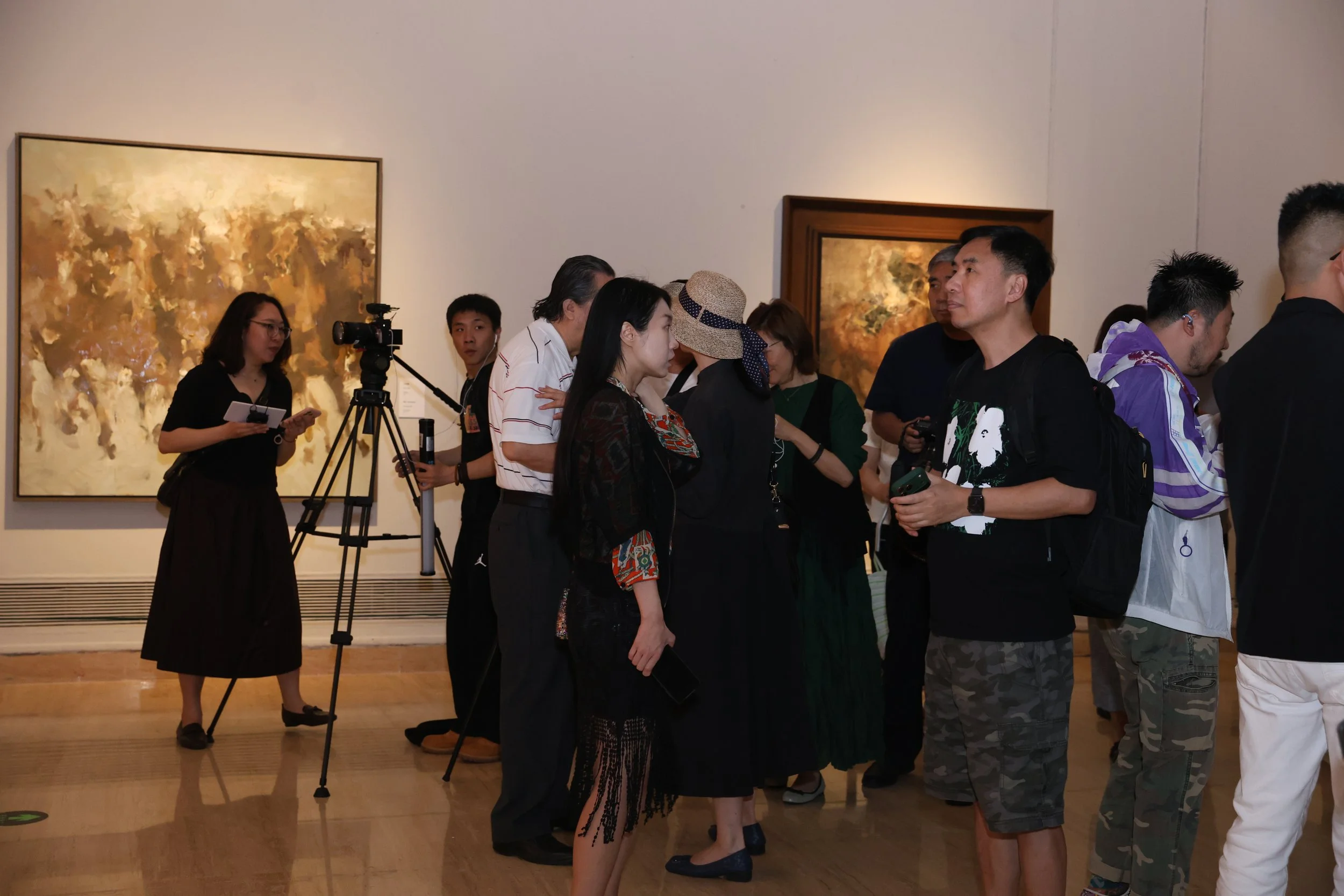
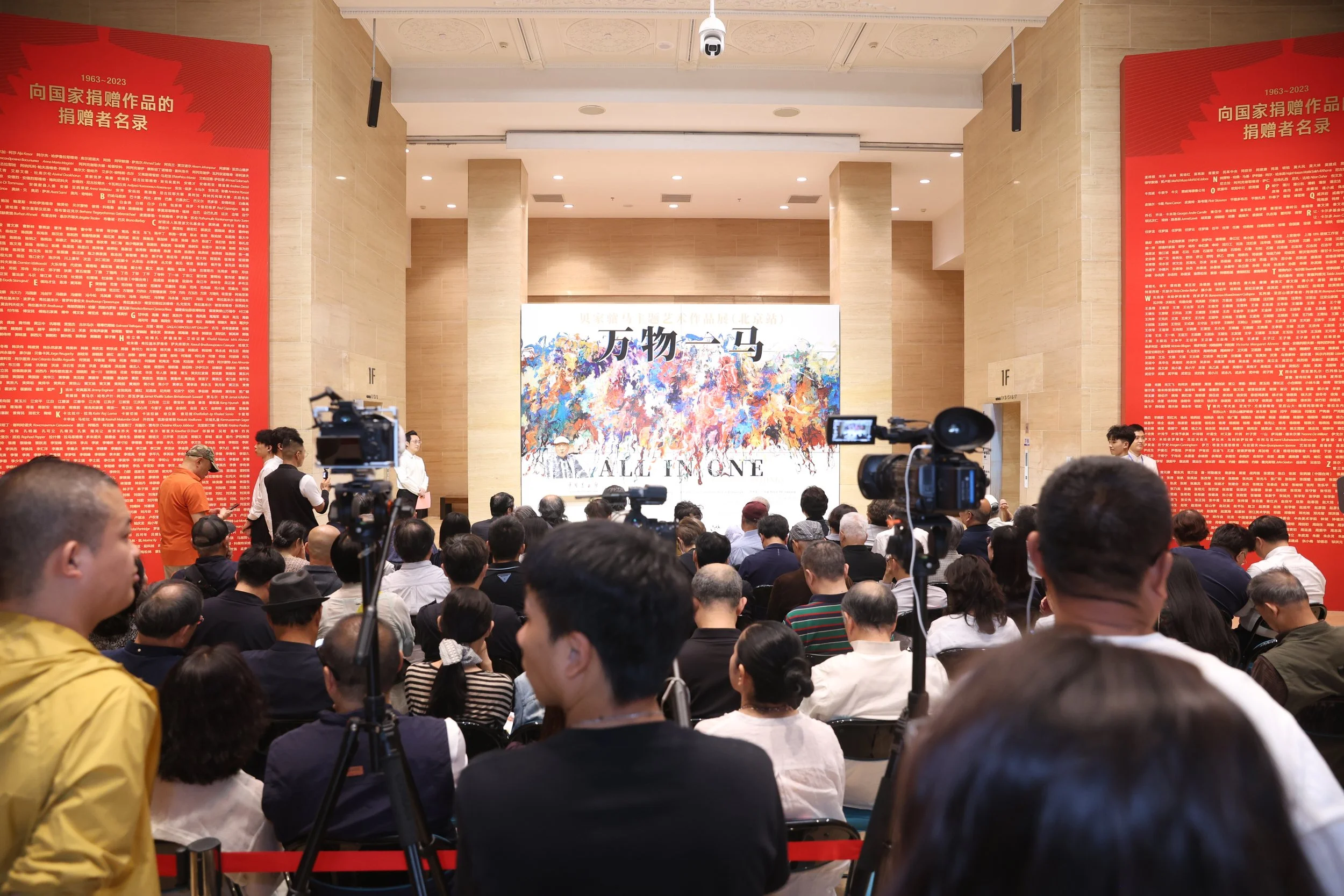
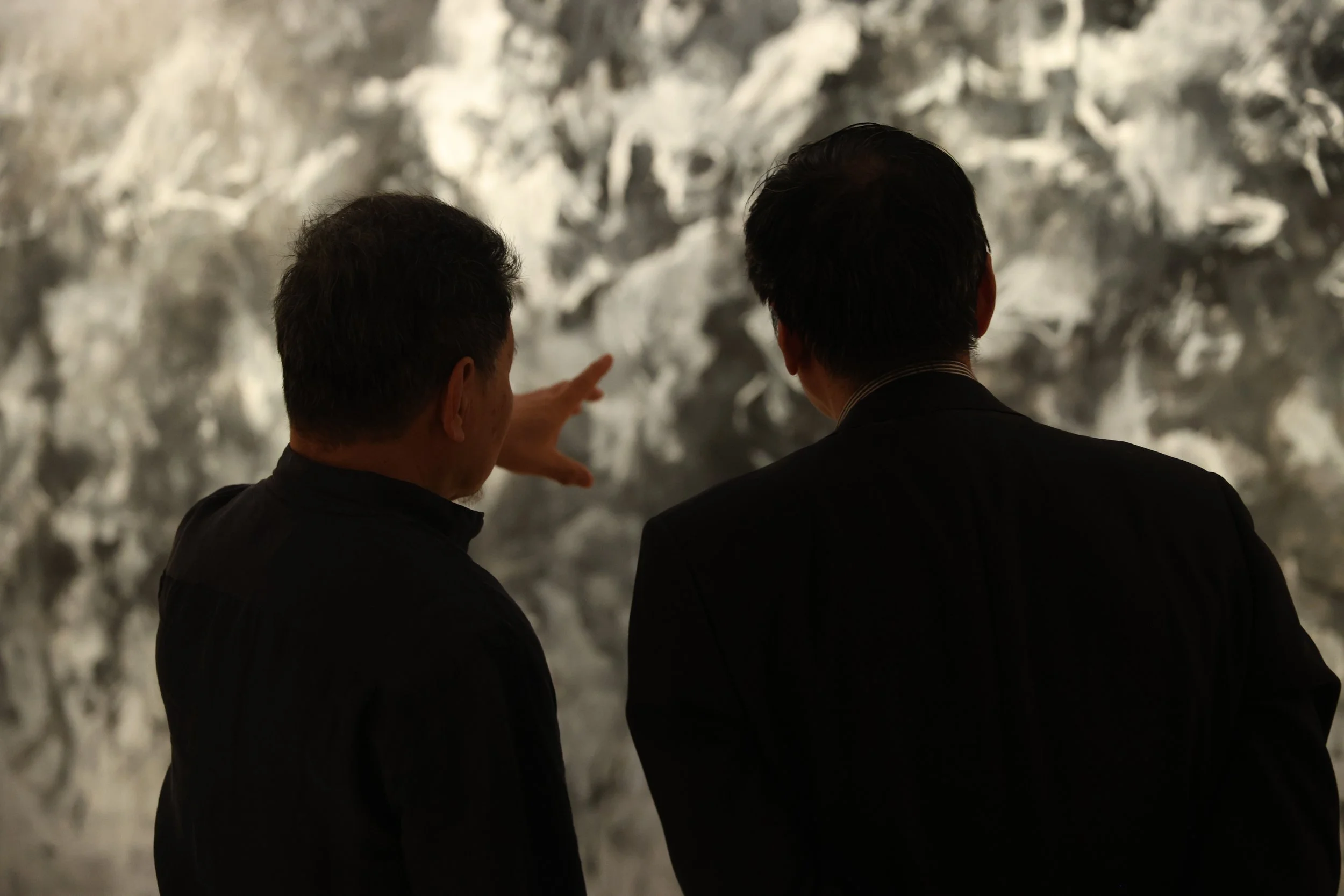
All In One
Horse Theme Solo-exhibition at the National Art Museum of China
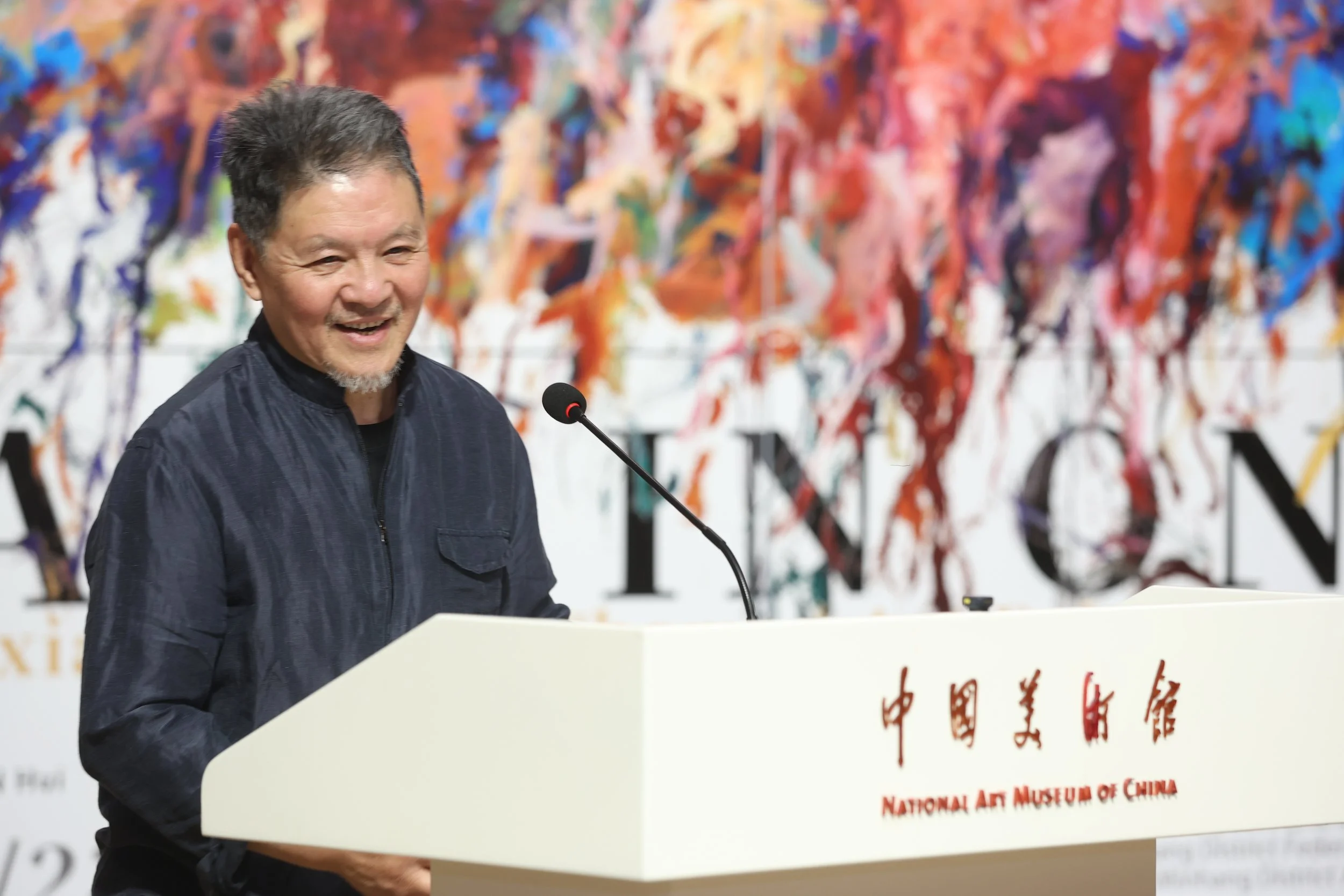
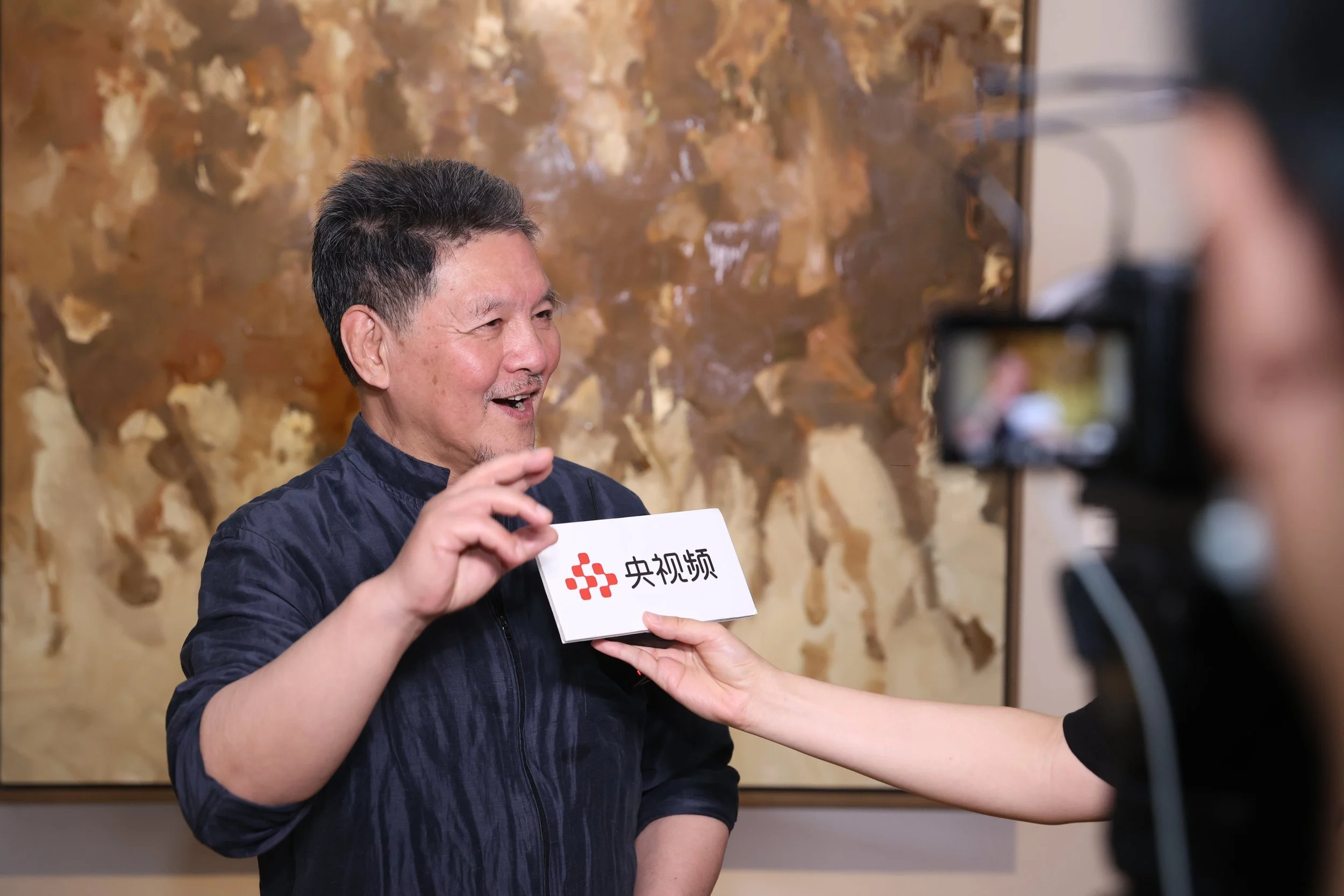
CCTV Interview
CCTV conducted an interview with artist Bei at the opening ceremony.
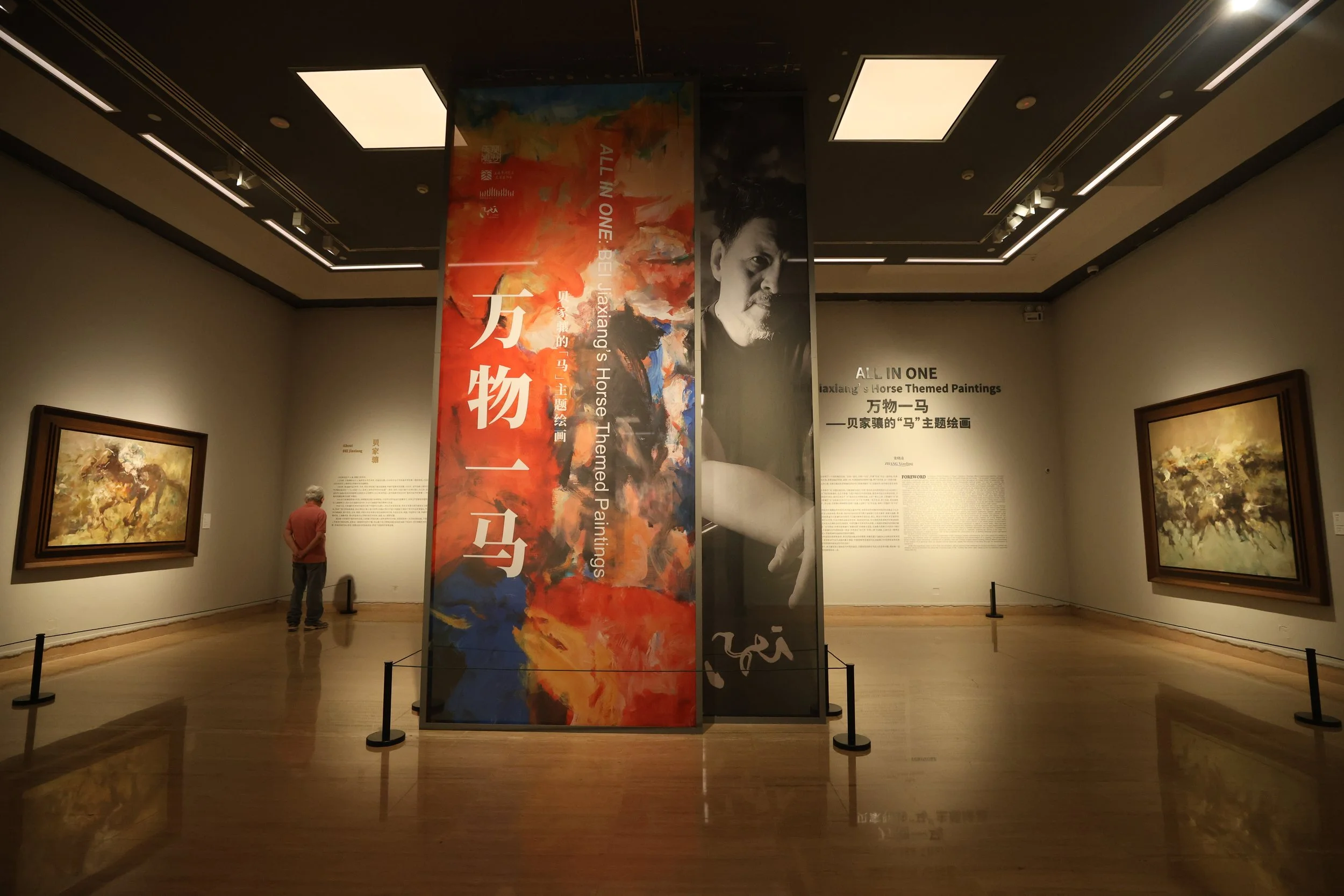
Foreword
In his book “On the Equality of Things” (Qiwulun), Zhuangzi offers a fascinating metaphor: “Heaven and earth are one finger; the ten thousand things are one horse.” The so-called “heaven and earth” is but what a single finger points to, and the “ten thousand things” are no more than the posture of a single horse. Its meaning is deep and rippling, conveying truth with divine subtlety, and brimming with transcendent spiritual power. For over two millennia, this proposition has shone unceasingly, tempering the minds of generations of Chinese people. If one follows this secluded path of thought to explore BEI Jiaxiang’s vast horse-themed works, one may glimpse the spiritual core and linguistic orientation of his art.
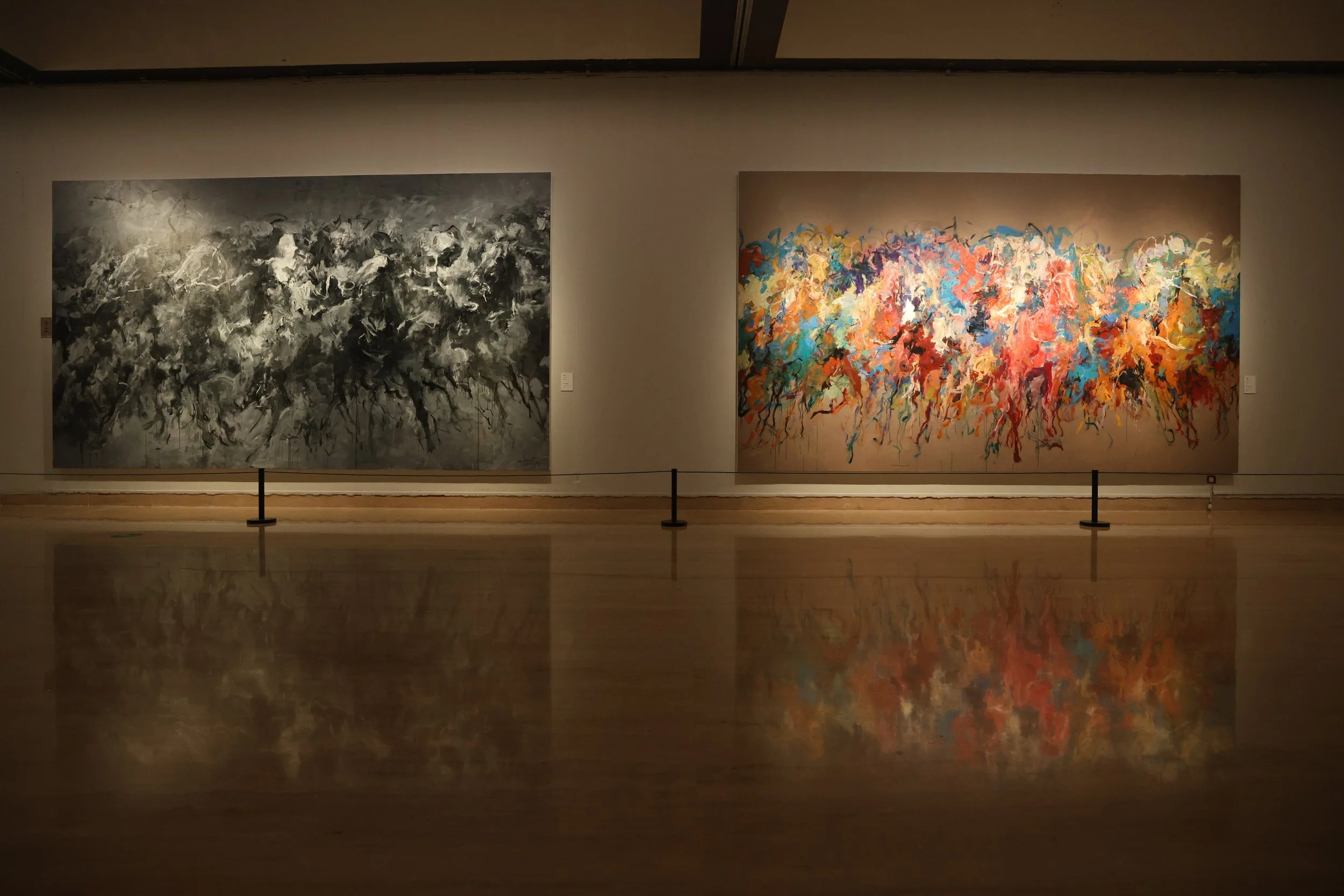
In essence, BEI’s more than forty years of practice in horse-themed painting can be understood as his contemporary visual response to and methodological embodiment of the concept of “the equality of all things”; it can also be attributed to his visual construction of the traditional notion of the “horse under heaven.” In Zhuangzi’s thought, the horse is a metaphor for the endless generation and regeneration of all things, the starting point and primordial state of life. BEI’s fascination with the “horse” and the creative impulse it engendered may well derive from the horse’s powerful function as a metaphor of life. In this sense, BEI’s “horses” are the very presence of the primordial life of all things. At the same time, his horses also closely evoke the imagination of the “horse under heaven” found in the Liezi and Zhuangzi: “as if vanishing, as if fading, as if perishing, as if lost; such a horse leaves no dust and obliterates its tracks,” and “transcendent and free of all dust, none knows its whereabouts.” It can be said that BEI interprets the theme of the “horse” on both the spiritual and formal levels, constructing a complete narrative of the “horse under heaven.”
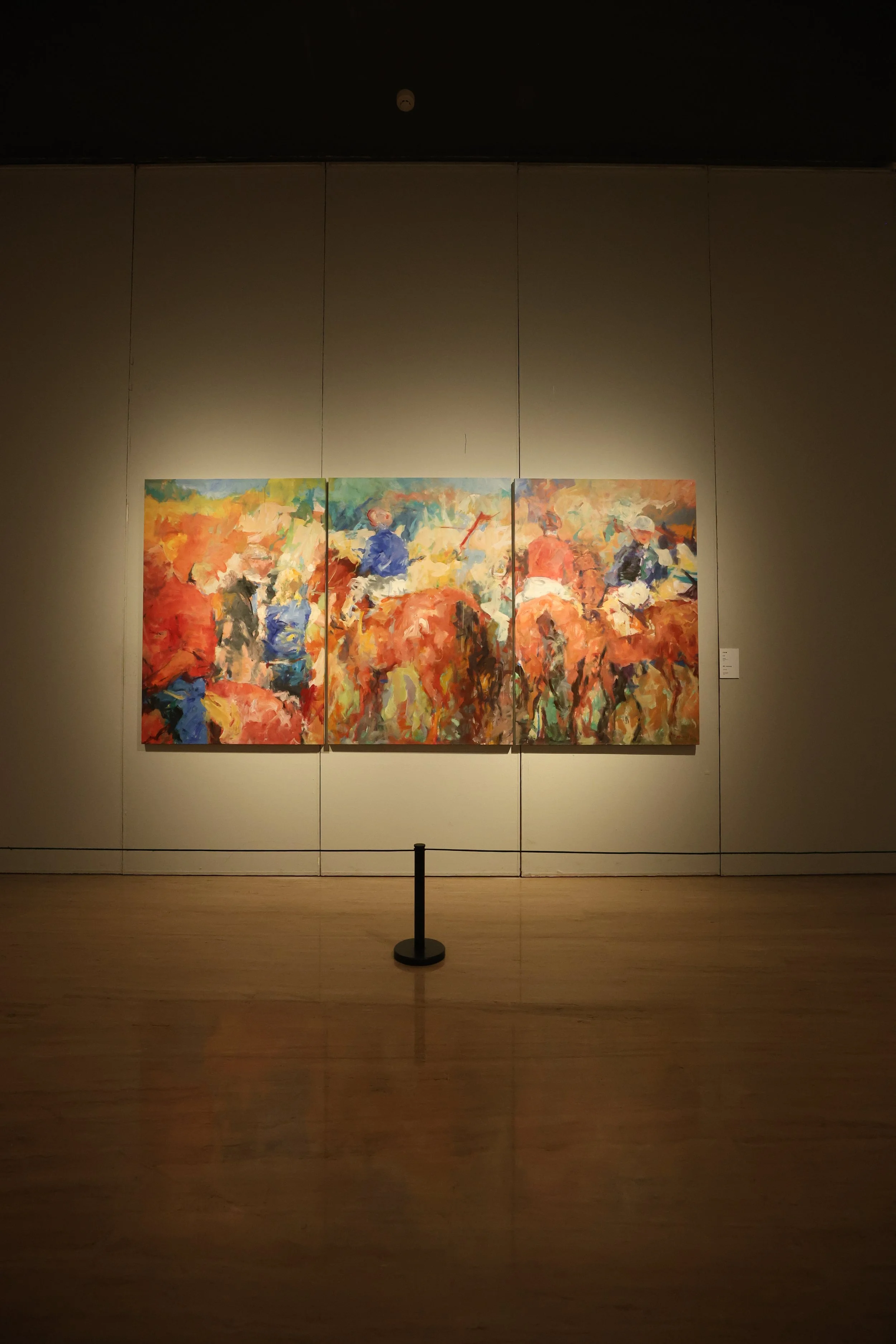
From the perspective of artistic practice, BEI’s work can be seen as a typical product of the integration and mutual learning between Chinese and Western art. In his early years, he laid a solid foundation in modeling at an advanced training class of the Central Academy of Fine Arts, and later intensively studied the Western modernist painting system. For many years, his creative process has constantly navigated between the medium of Western oil painting and Eastern aesthetics, between figuration and abstraction, and between expression and freehand brushwork. If the historical implications of the “horse” have provided ample spiritual resources for BEI’s creation, then the cultivation derived from the mutual illumination of Chinese and Western art has propelled him to continuously explore an oil painting language system that is neither purely Chinese nor purely Western, yet simultaneously both Chinese and Western. A close reading of his works reveals a clear trajectory of stylistic evolution: his early works were more immersed in the interplay between Impressionist light and color and classical forms; in the middle period, he ascended to an expressive level, using fervent brushstrokes to achieve a deconstructive expression of objects. In recent years, there has been another remarkable shift: expressive brushwork that embodies “supreme skill resembling clumsiness” and imagery-based forms that “reduce complexity to simplicity” maintain a delicate and tension-filled balance between abstraction and figuration. Fundamentally, Bei Jiaxiang’s creative path is a leap from “externally learning from Nature” to “internally obtaining the source of the heart.” It is precisely in this process of spiritual evolution that he has completed the construction of an oil painting language system permeated with the spirit of literati freehand brushwork.
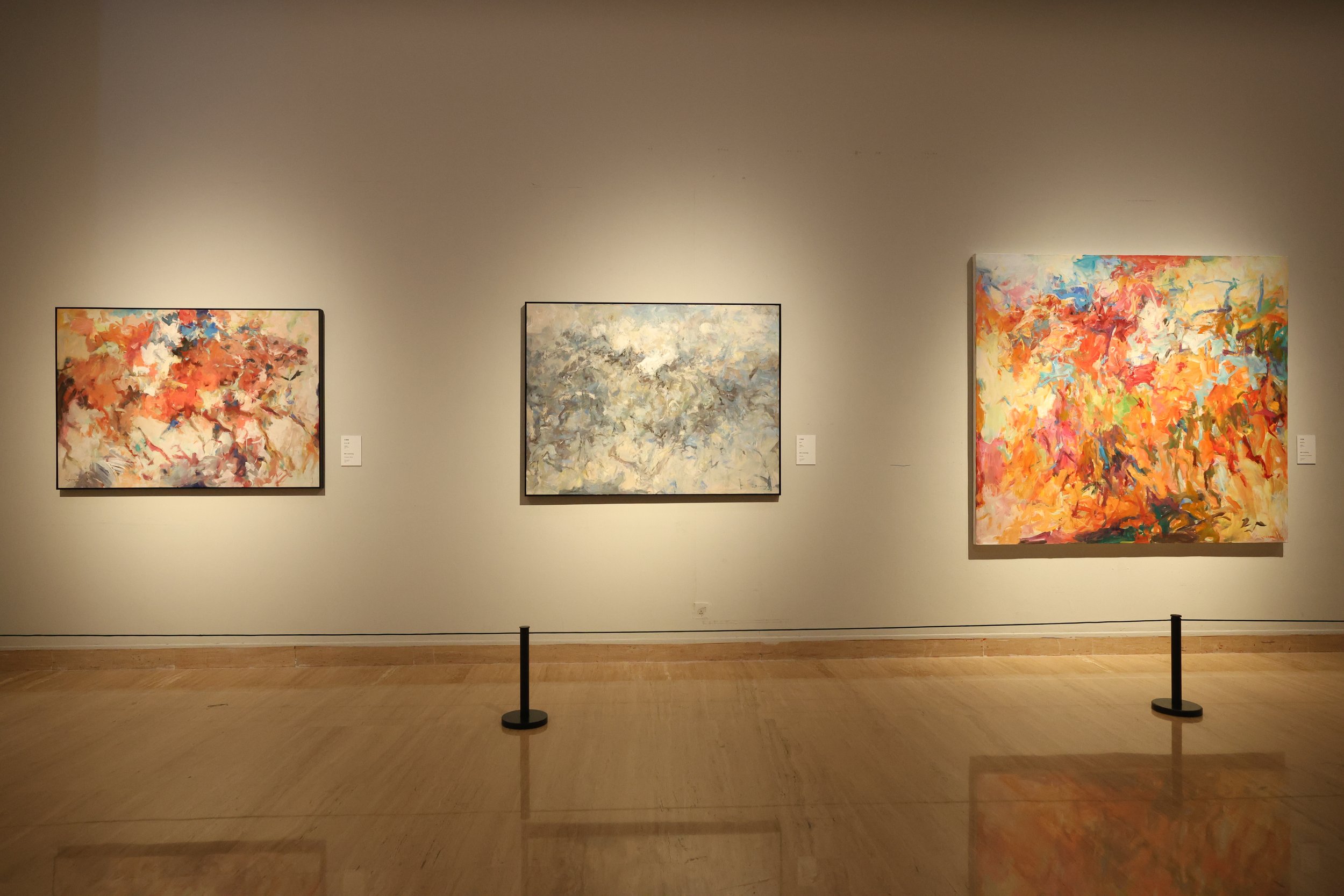
This exhibition is not only a systematic presentation of BEI Jiaxiang’s creative achievements, but it also carries the intention of examining the exhibition from an academic perspective of the localisation and transformation of oil painting. This brings forth a series of major topics concerning contemporary oil painting: How can Chinese imagery-based thinking achieve effective expression in the medium of oil painting? How can ancient cultural resources radiate the brilliance of the times through the transformation of modernity?
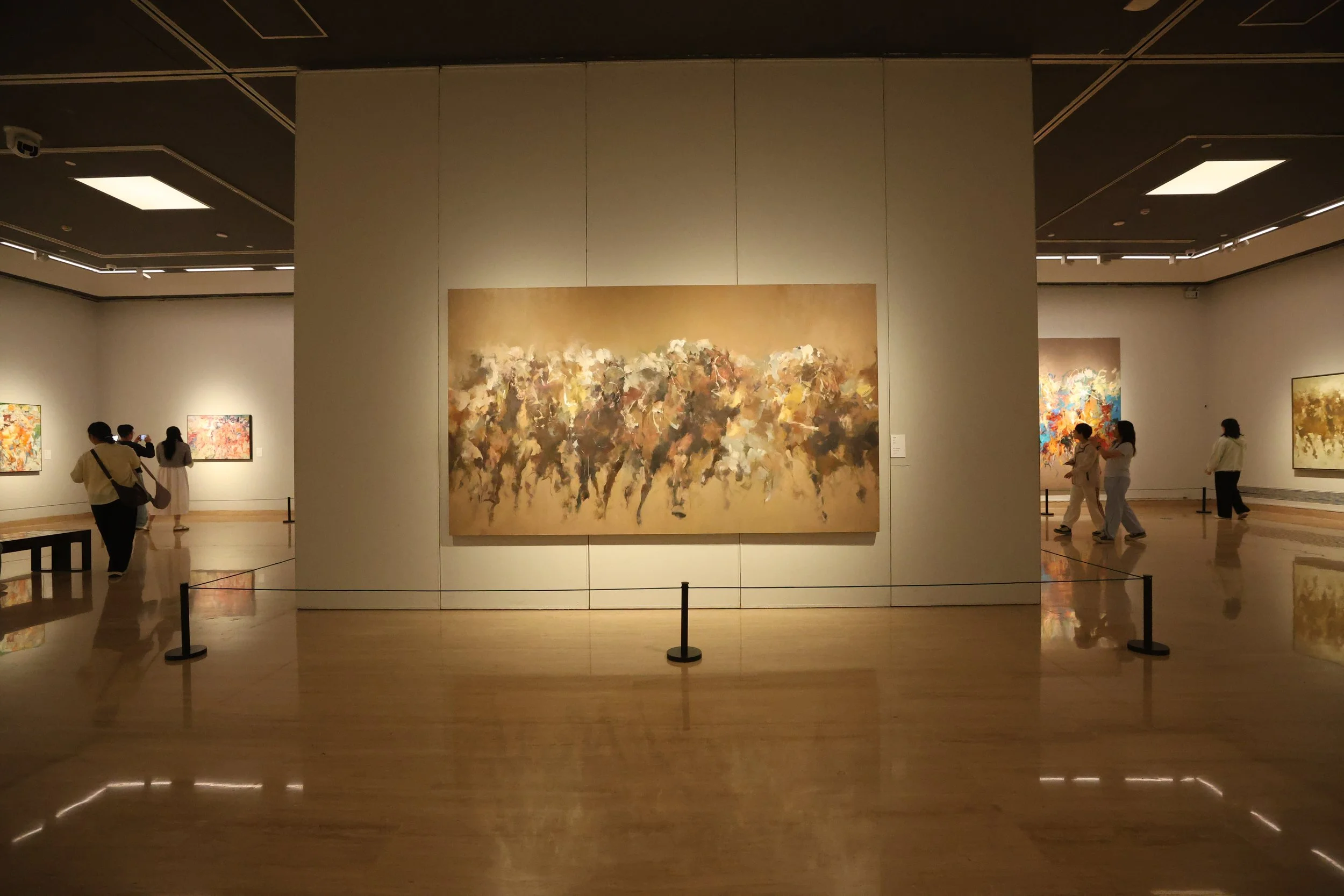
Under the magnificent vision of All in One, this exhibition, with an approach that embraces the ancient and modern, Chinese and Western, strives to transform the venue into a moving poem of life. I believe that every visitor stepping into the exhibition space will deeply feel this.