
Artwork Interpretation: Portrait Series
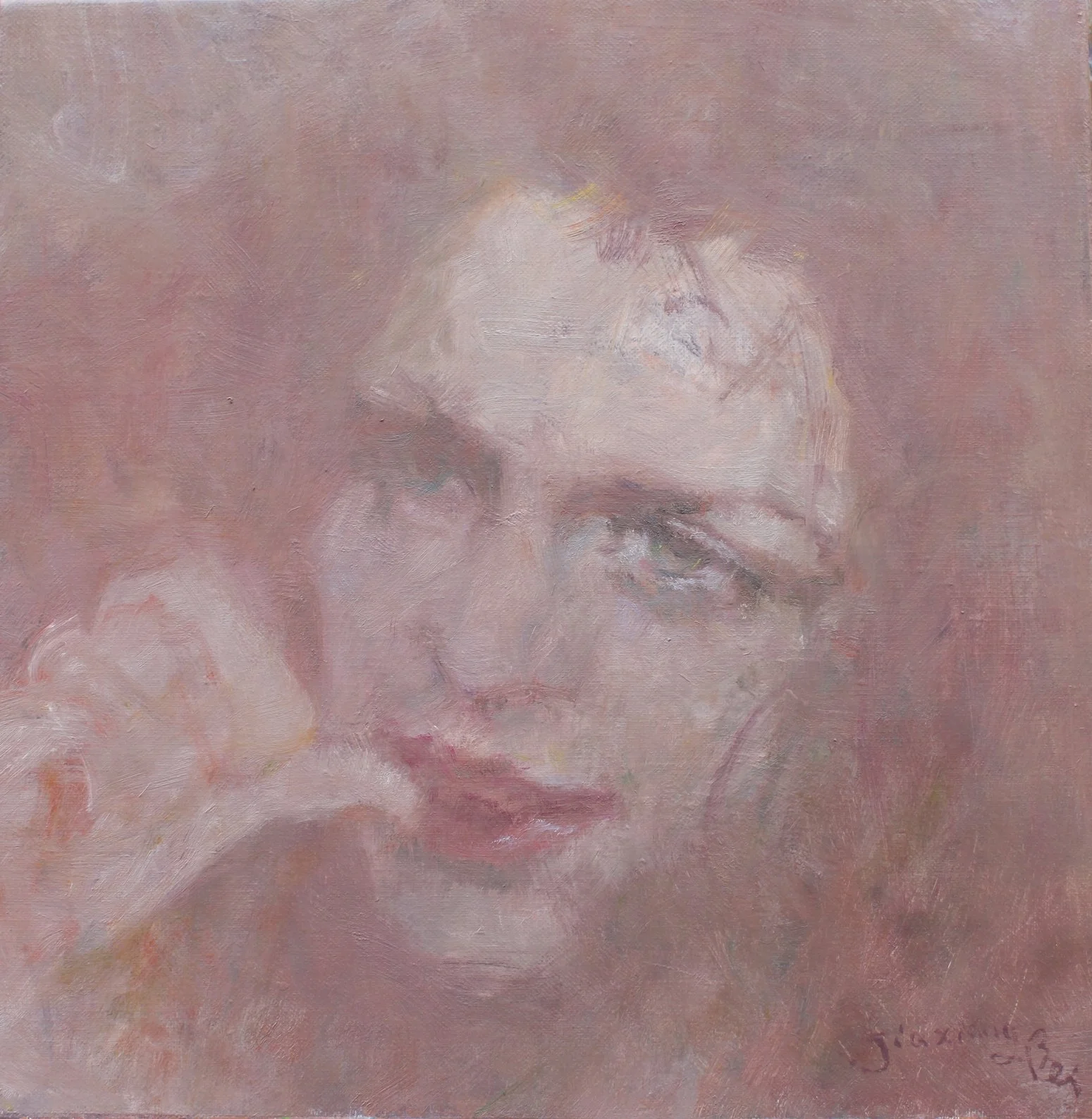
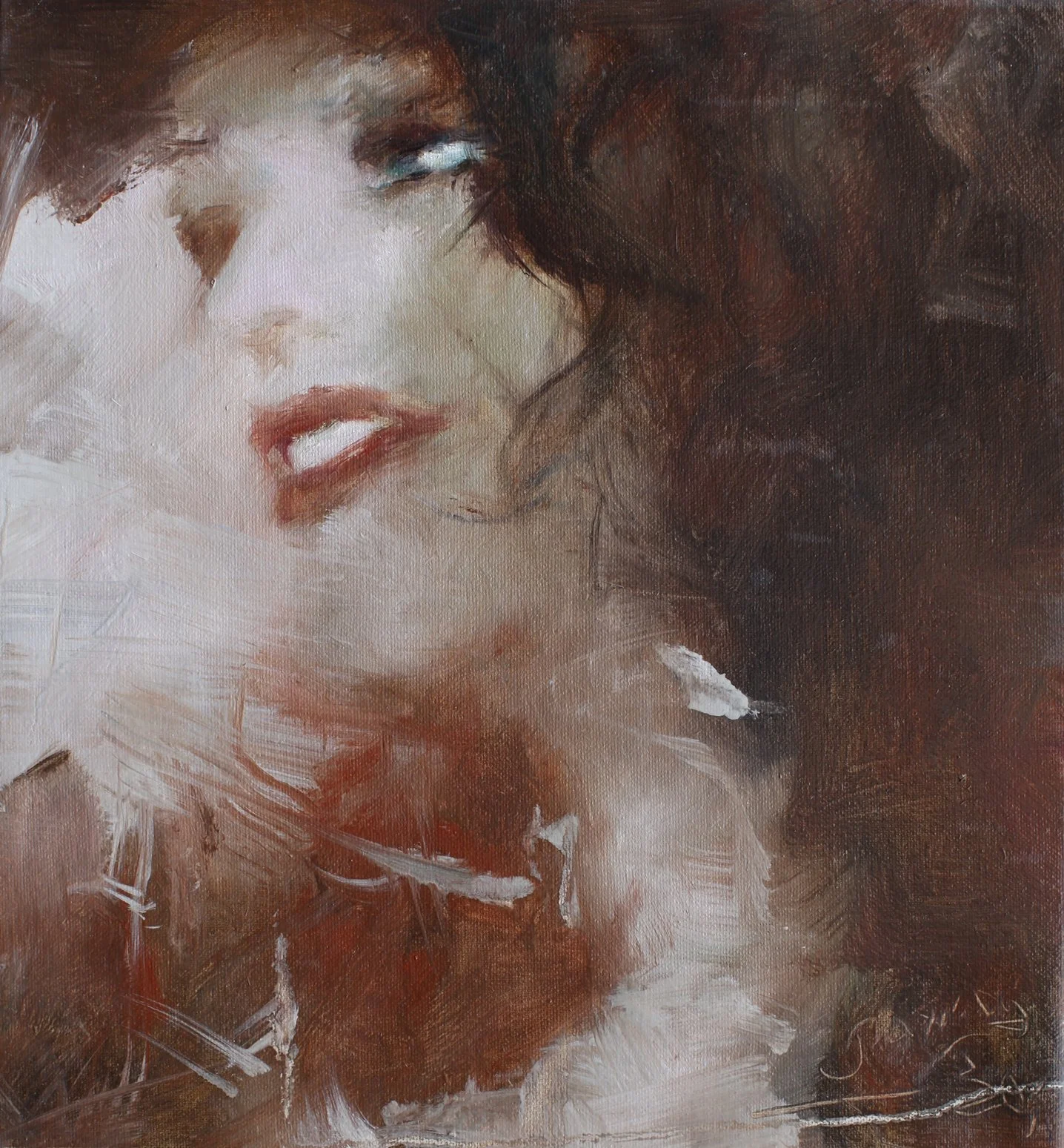
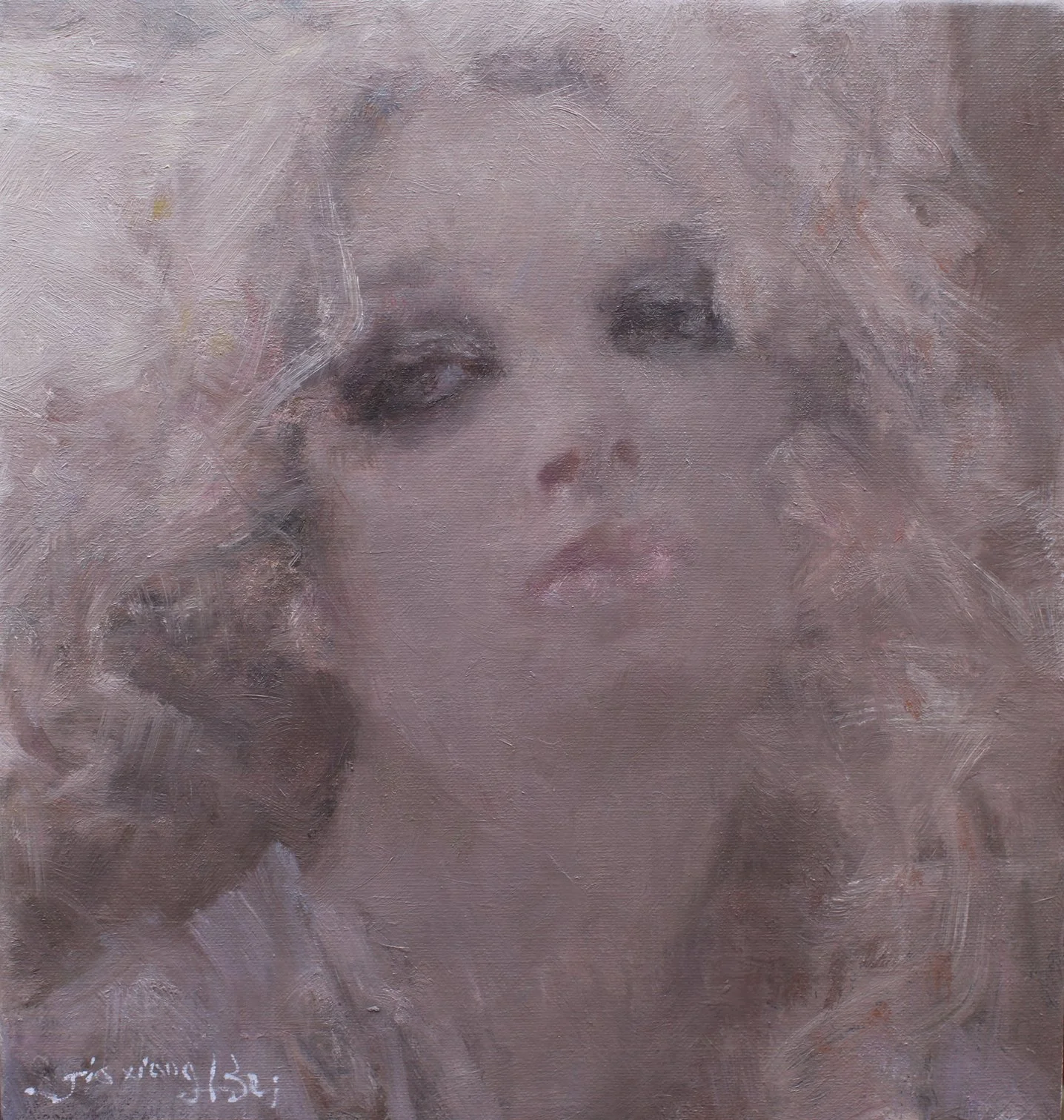
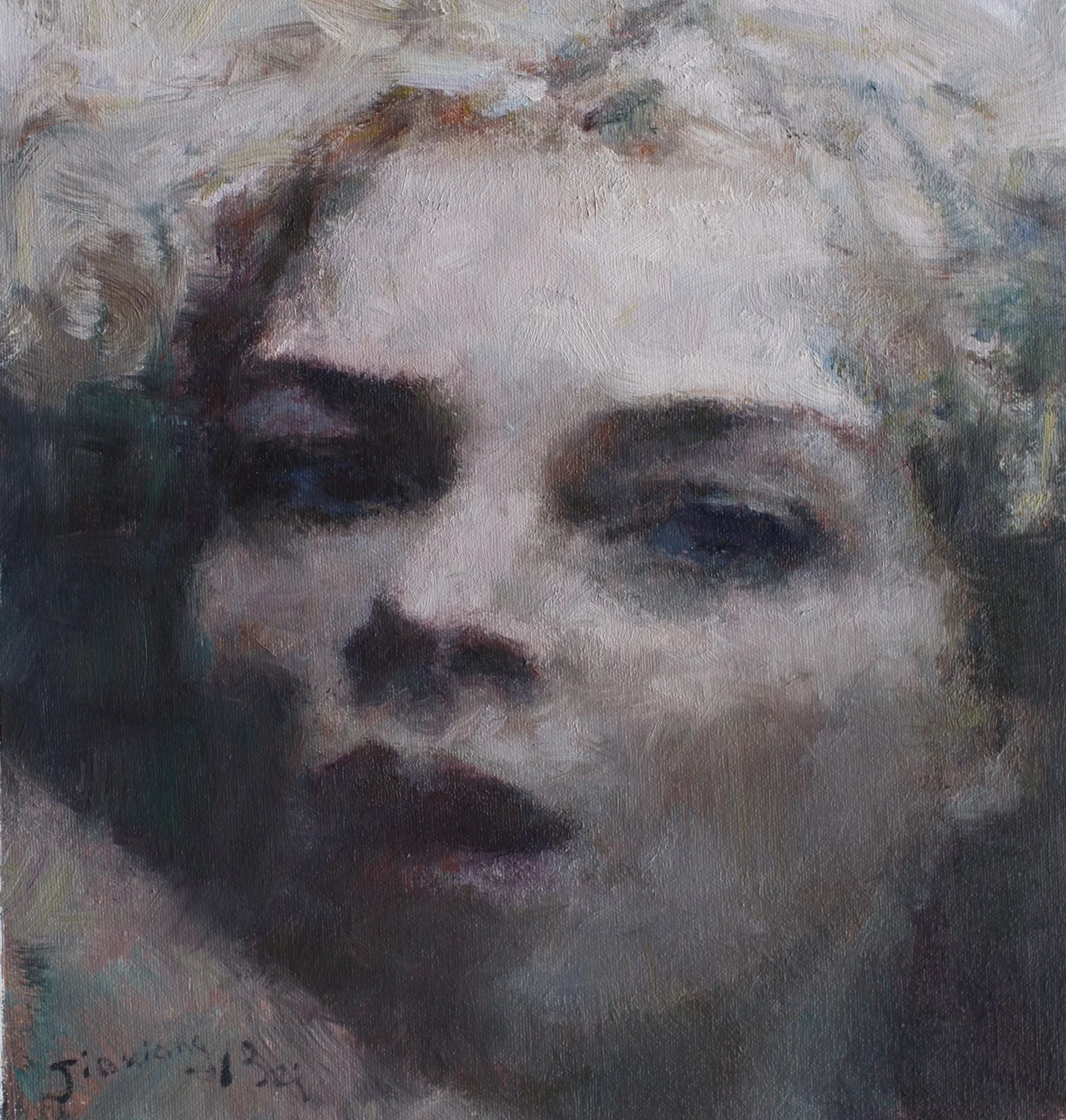
In the Portrait series, BEI Jiaxiang downplays the detailed realism of traditional portraiture, zooming in on large-scale faces that almost break through the edges of the canvas. Through the harmonization of gray tones and the arrangement of color blocks, he creates a spiritual image that intertwines reality and illusion.
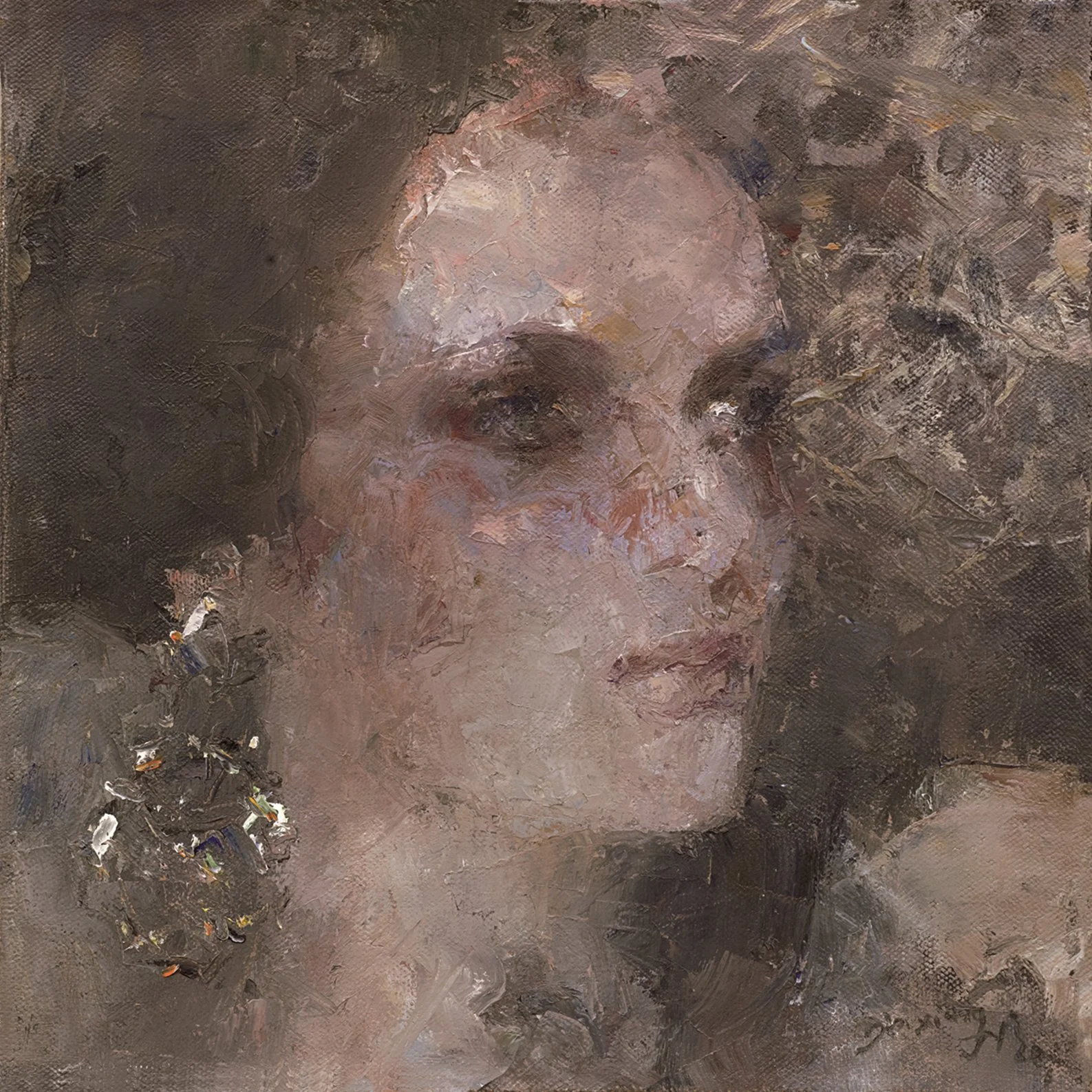
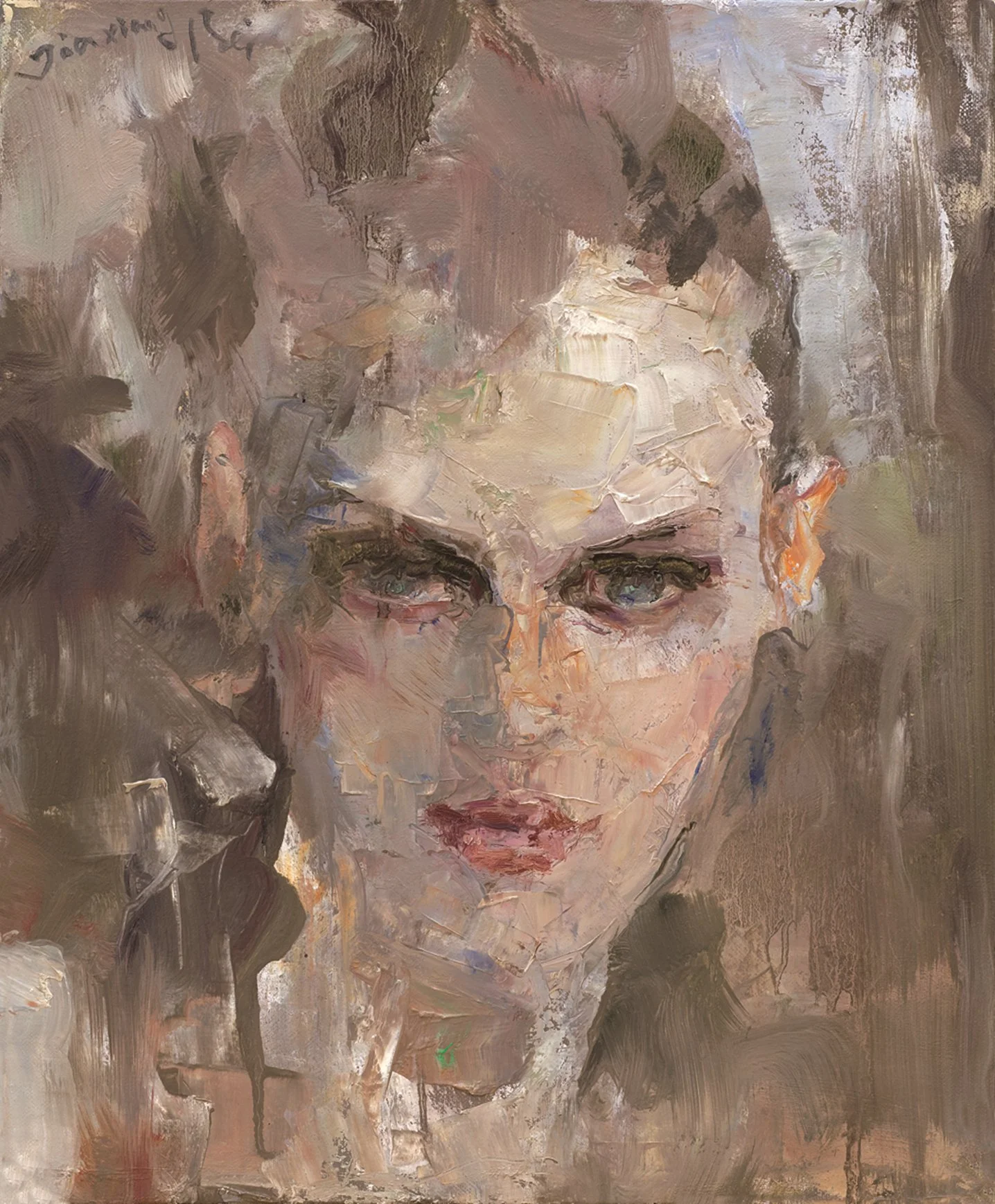
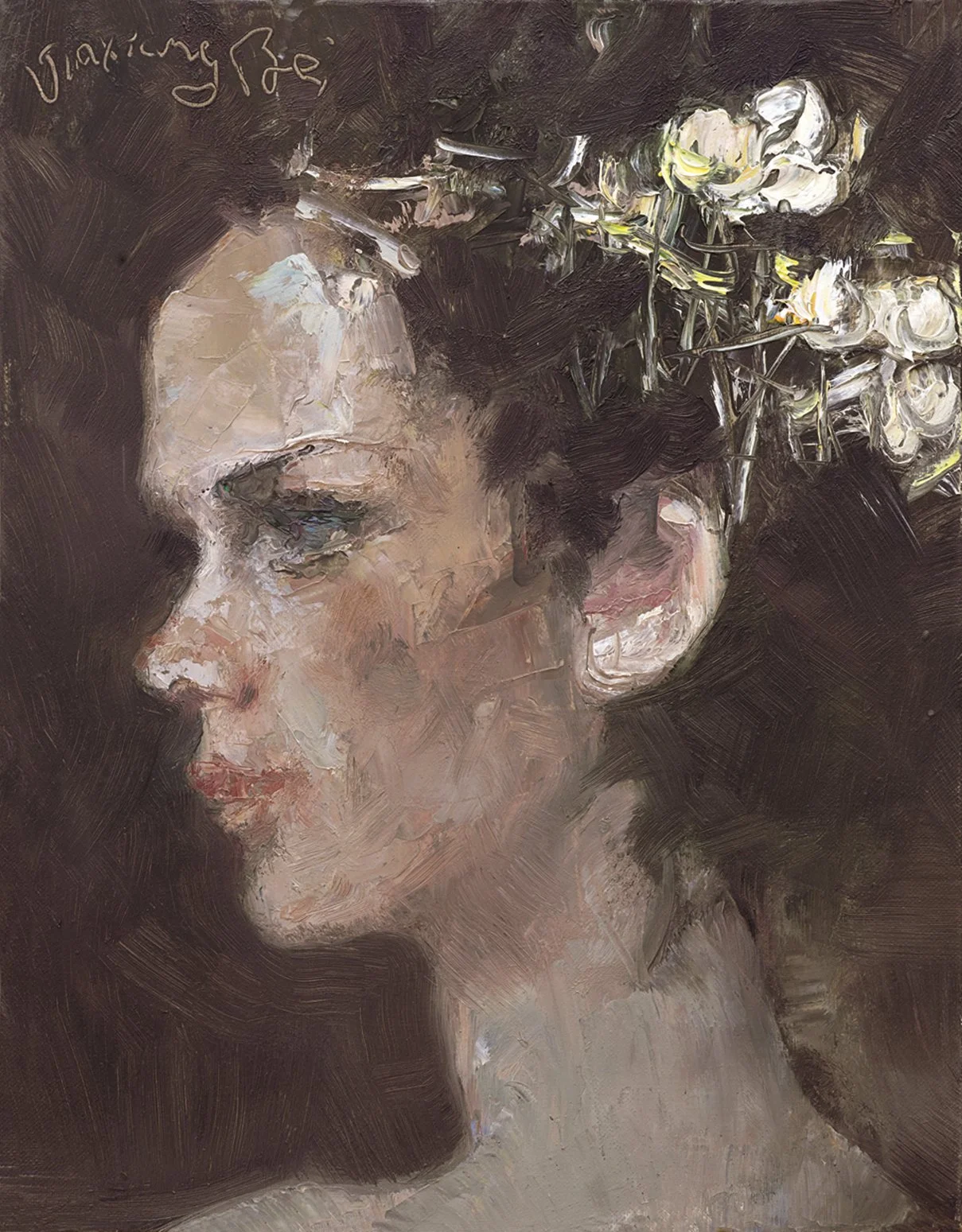
The visage nearly fills the entire canvas, with hair barely stay within the frame, while the body below the neck is almost completely left blank. BEI does not set a fixed visual center for the composition; instead, it naturally follows the subject’s expressions and gaze, rising or falling organically. The near-random selection of partial framing represents the artist’s relinquishing of creative control, allowing the subject’s most authentic self to emerge.
The figures are mostly rendered with light, gentle strokes, while the background is composed of deep gray blocks that establish a sense of depth. This not only echoes Cézanne’s approach to segmenting color blocks but also incorporates Bernard Wolff’s similar pursuit of light and haziness—using soft tonal halos to envelop the subject, fostering an interweaving of figure and background, and softening objective light and shadow in favor of a more emotional expression. The graceful face emerges from a background of harmonious hues with indistinct boundaries, yet the profound expression leaps vividly off the canvas.
Even when depicting female portraits, BEI’s brushwork remains gentle and relaxed while also possessing a sharp intensity. The jawline or hair tips are swept swiftly with the brush to create a sense of the subject’s strength in character; the face is built up with fine, dense short strokes that give the skin a tactile, velvety texture; and his rendering of the gaze is even more delicate—within the rich layering, he adds an unintentionally yet expressive spark.
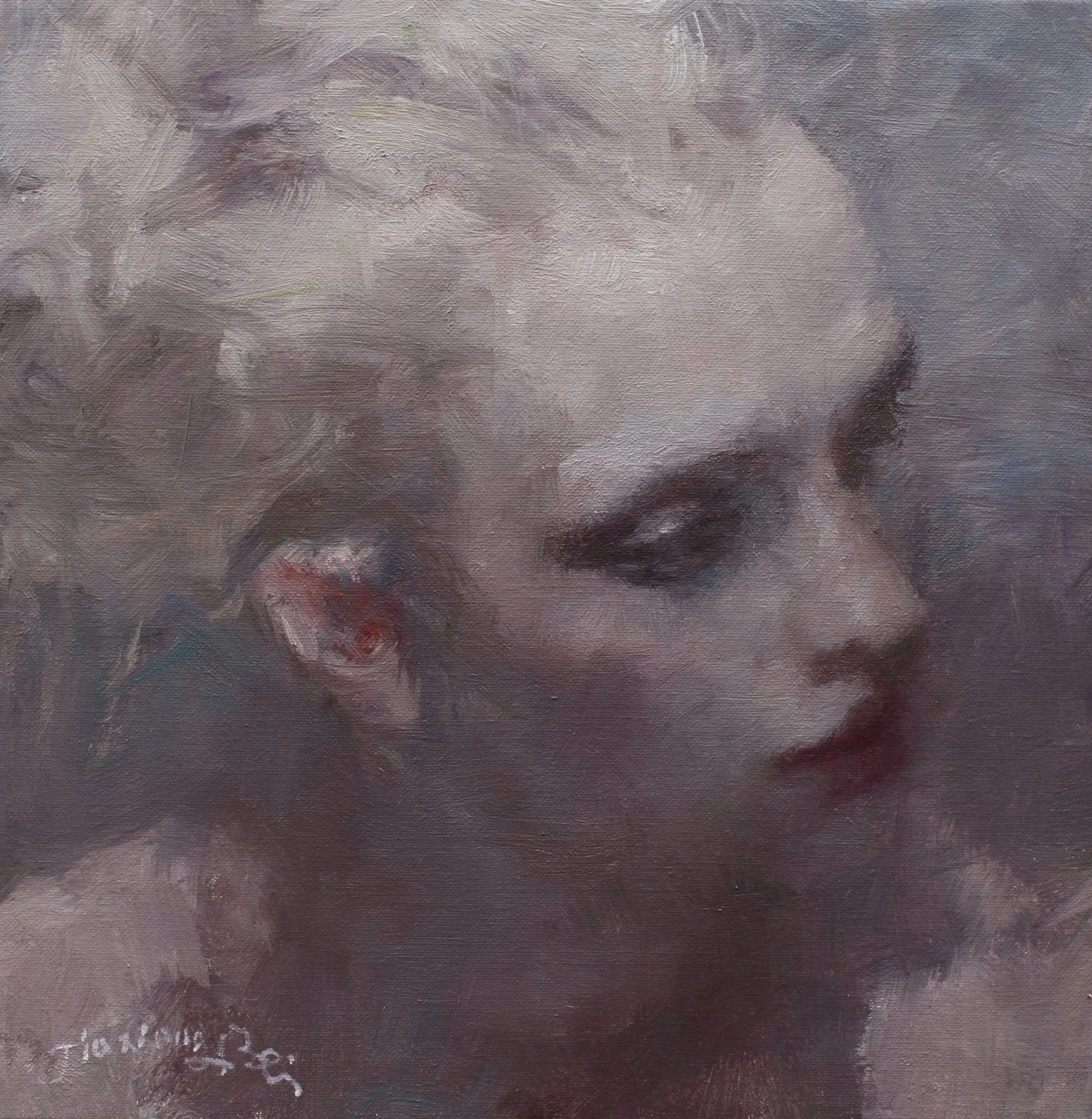
Wolff’s highly decorative brushwork is closer to European Romanticism’s reverence for natural beauty, whereas BEI Jiaxiang weaves more spiritual exploration from the East into his creation.