
Ballet In Ink
BEI Jiaxiang uses Eastern ink to render Western ballet, revealing an art attitude that is both open to and precise within cross-cultural exchange. This series is not a mere transplantation of images but constructs on xuan paper an aesthetic field where illusion and reality, motion and stillness, interpenetrate: preserving the purity of ink while drawing on ballet’s grace and rhythm, so that two traditions vibrate against each other with rich tension.
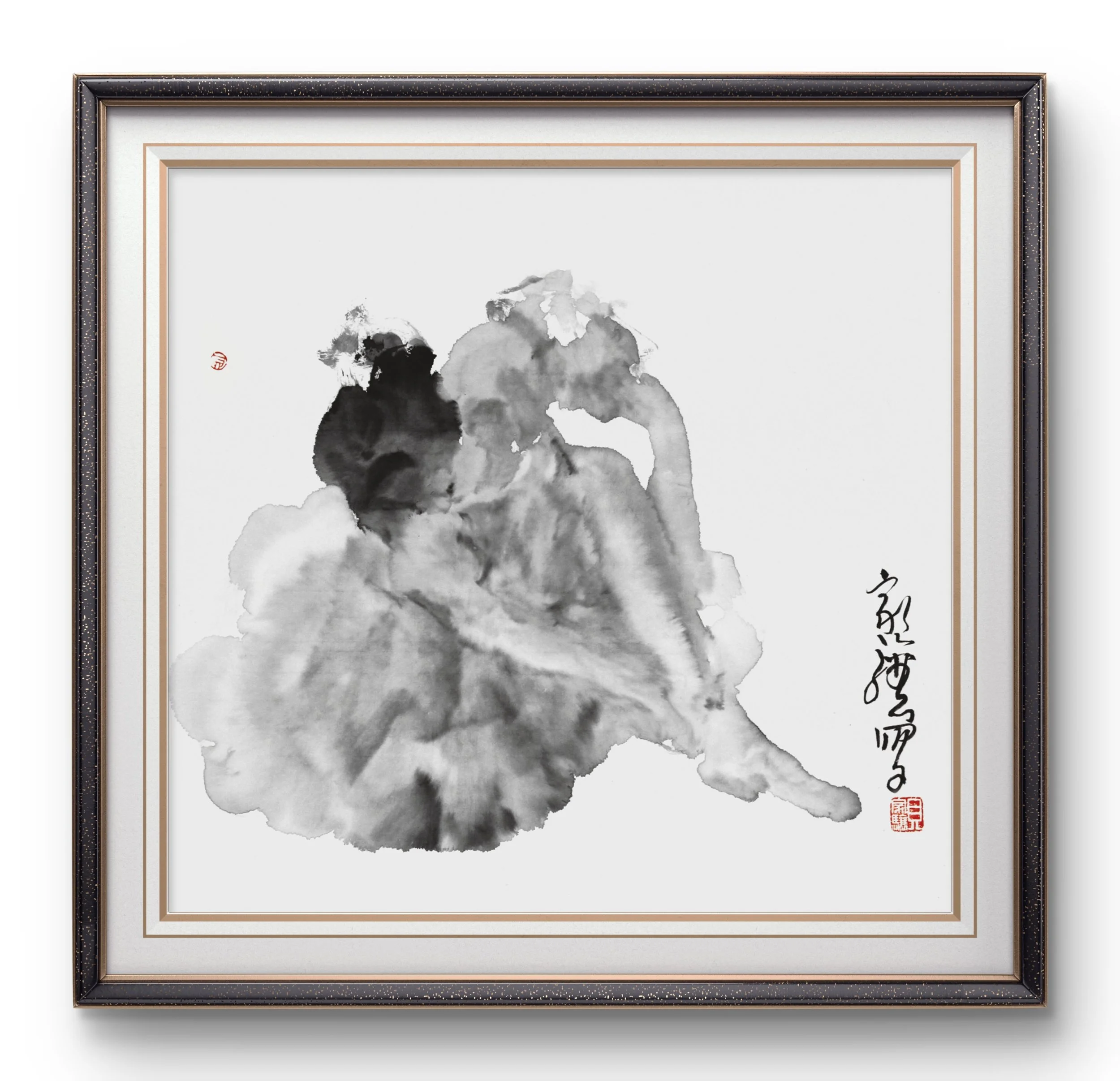
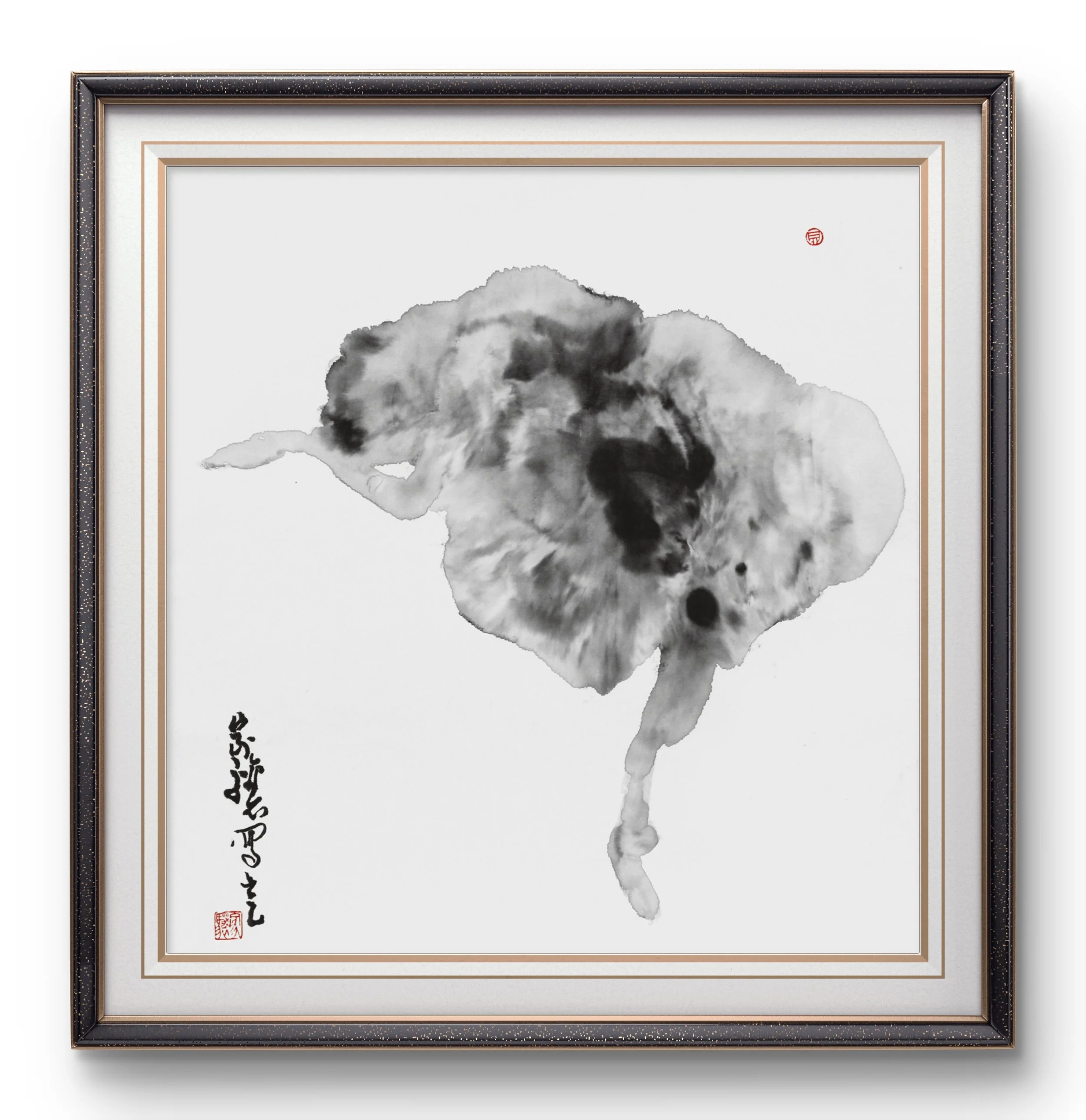
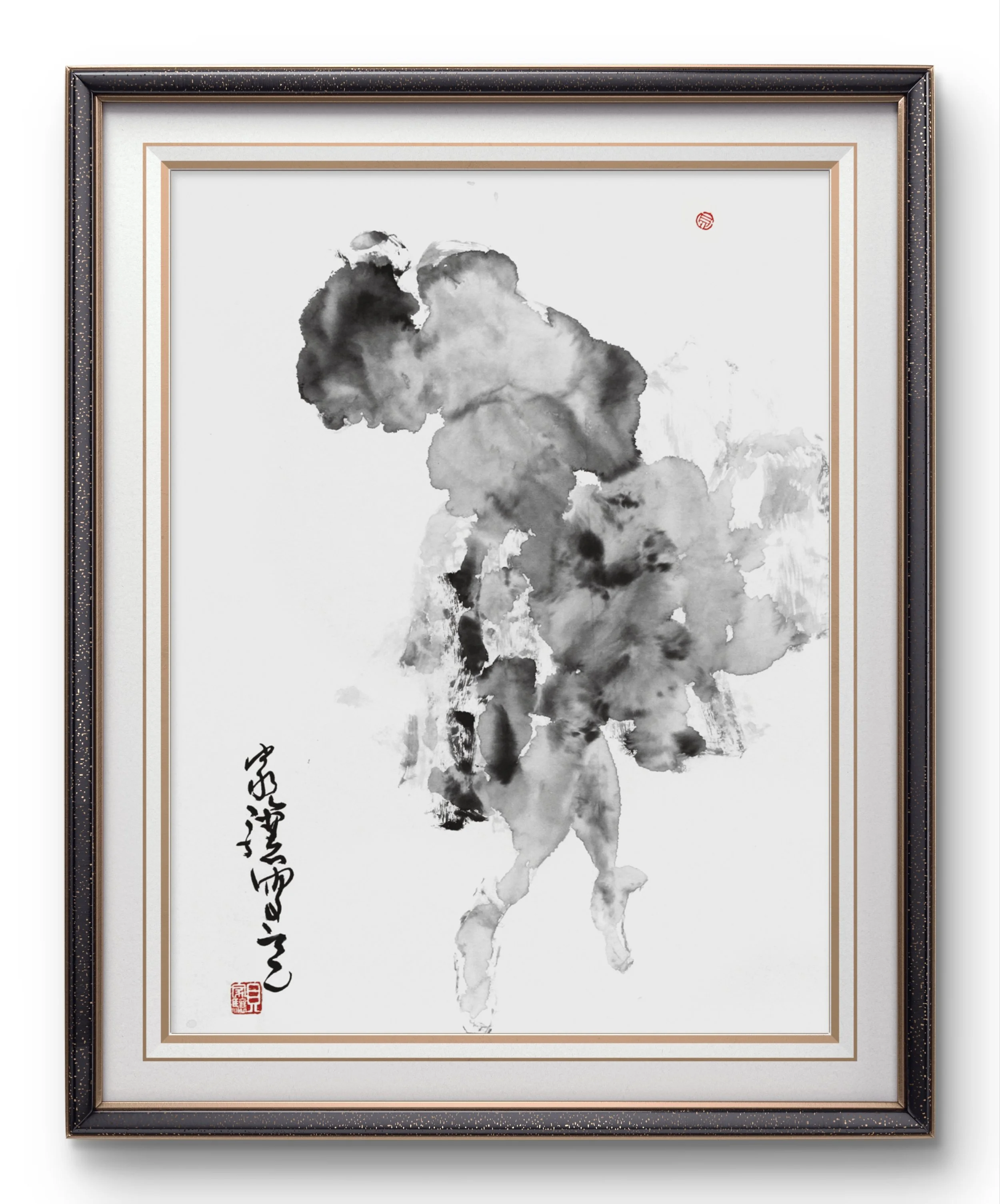
In terms of skill, BEI demonstrates deep command of ink and a creative transformation of its language. With a calligraphic cadence he outlines dancers’ bodies: the pauses of the brush, the stretch and recoil of line, and the gradations of ink record movements from preparation and leap to landing. This sensitivity to ephemeral motion resonates across time with Degas’s long observation of ballet practice—yet where Degas emphasizes the reality, BEI idealizes dance into an aesthetic of rhythm and form, the tension suffused with an inwardly contained Oriental temperament.
The use of ink is central to the series. BEI exploits the absorbency and reserved spaces of xuan paper to build layers and spatial depth while letting skirts, light, and void flow into one another. Subtle washes convey both the lightness of fabric and the stage’s shifting illumination, so that monochrome black, white, and gray acquire an almost chromatic warmth.
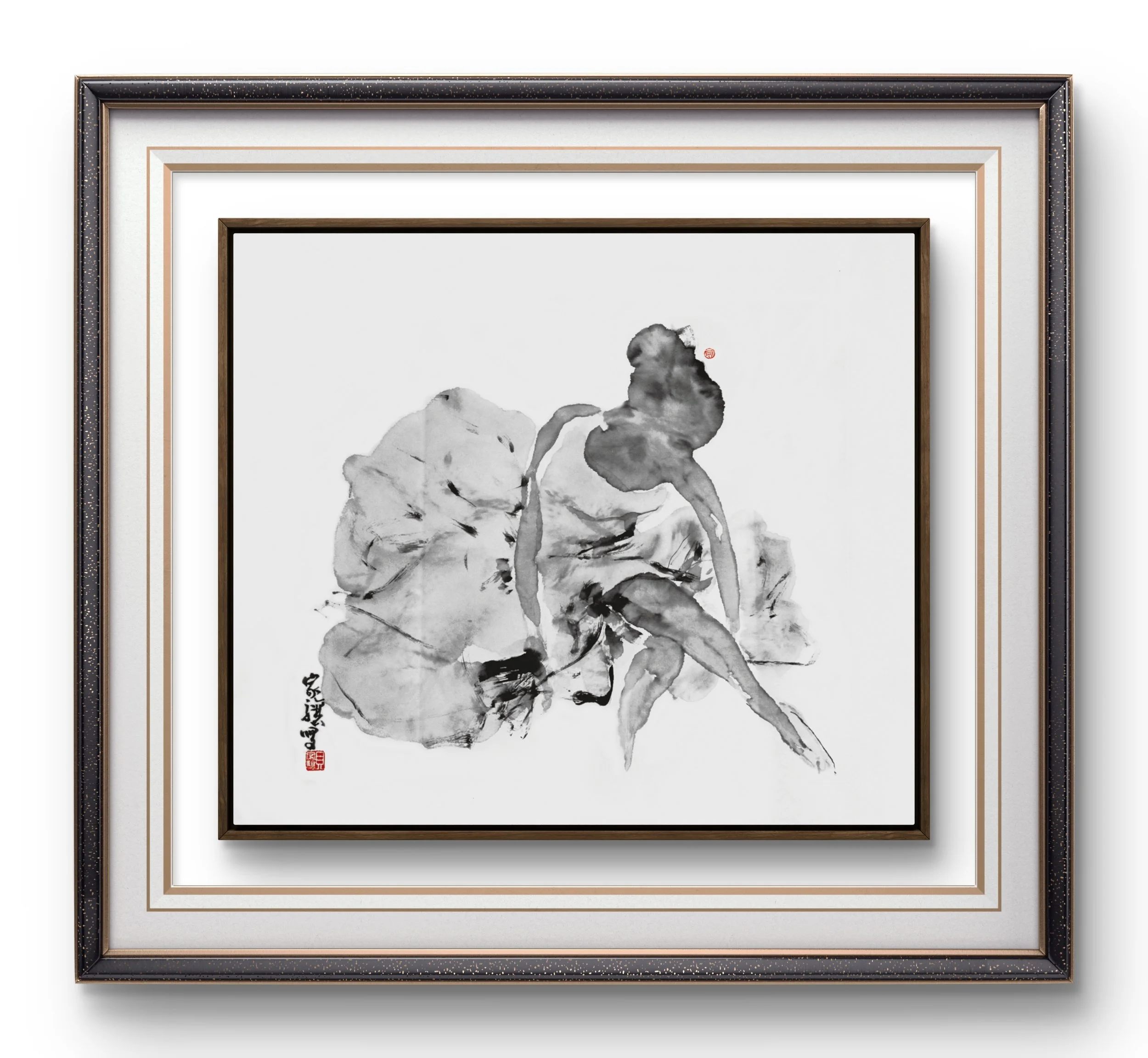
Ink gives ballet a new breath, ballet brings ink with a new tempo. BEI Jiaxiang’s Ink Ballet is not a mechanical translation of Western subject matter—he retains the medium’s inherent restraint while expanding its expressive possibilities through keen visual perception, achieving a quietly dynamic dialogue between East and West.