
Opera In Ink
BEI Jiaxiang has always based his practice on ink, safeguarding the purity of this traditional medium. In his hand, ink is no longer merely a vehicle of technique but an aesthetic bridge that spans past and present and connects East and West. In Ink Opera, he uses a contemporary grammar of ink to translate specific opera performances into universal visual experiences, allowing the works both to resonate with the cultural sensibilities of Chinese viewers and to move international audiences with universally felt emotion.
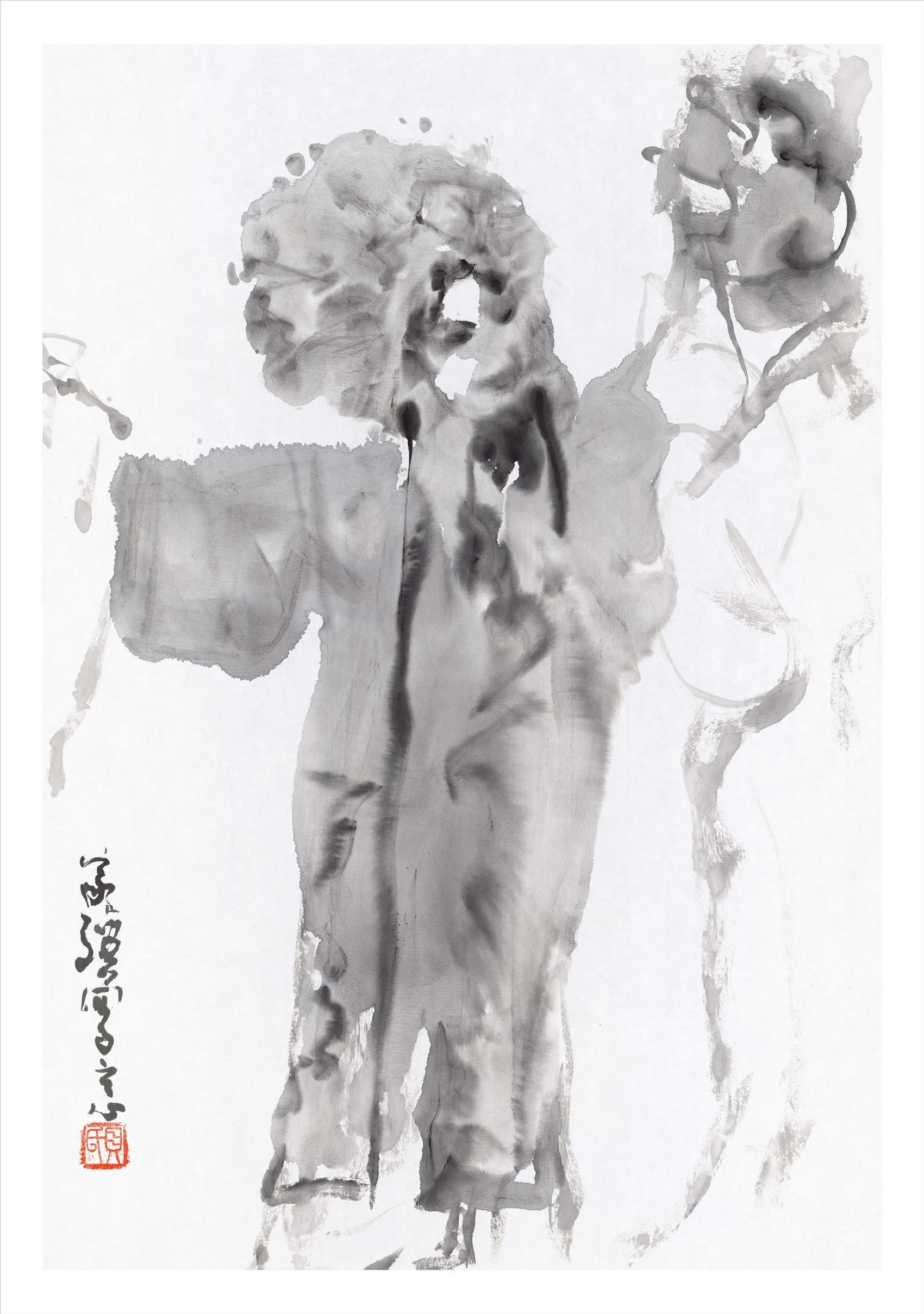
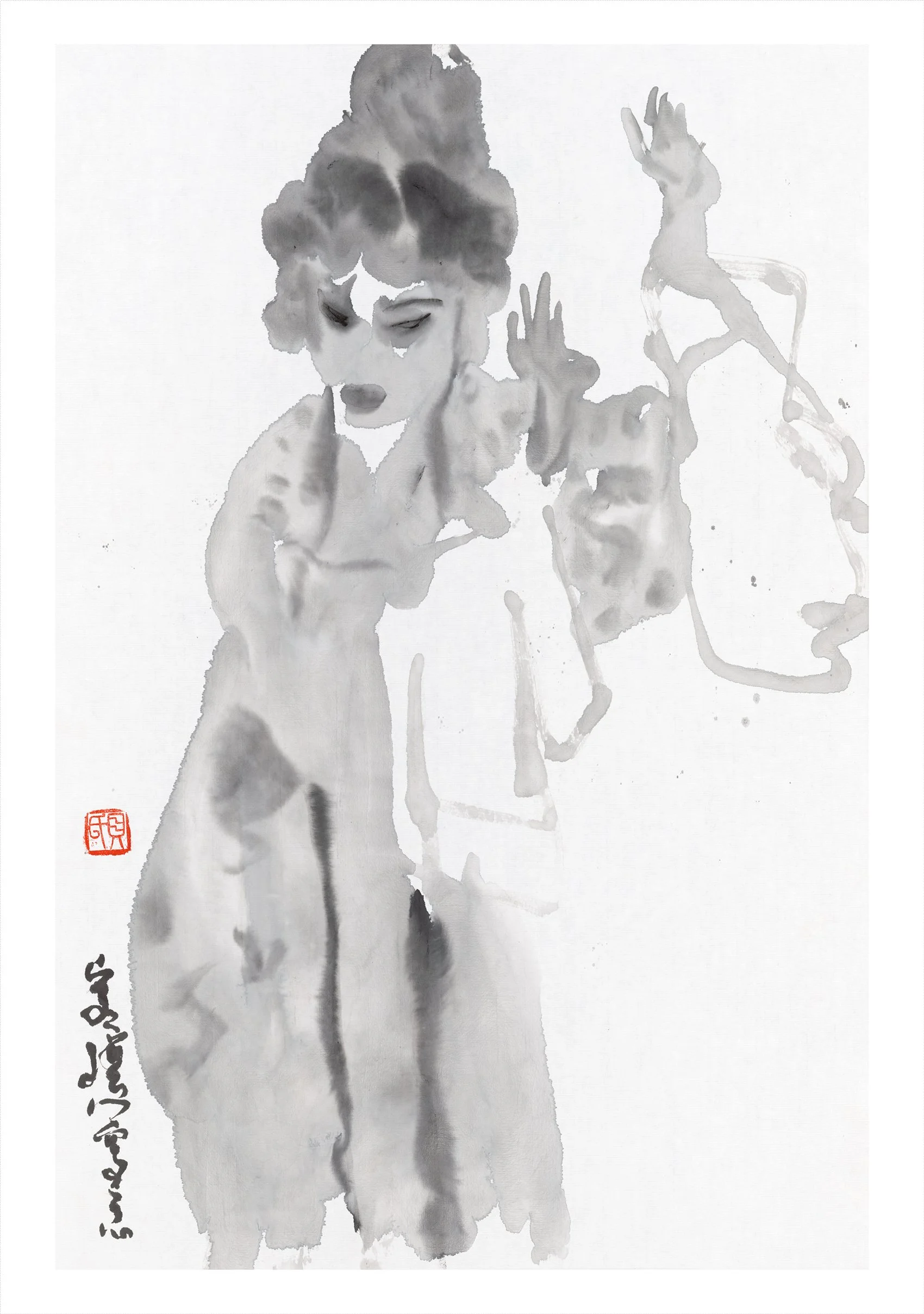
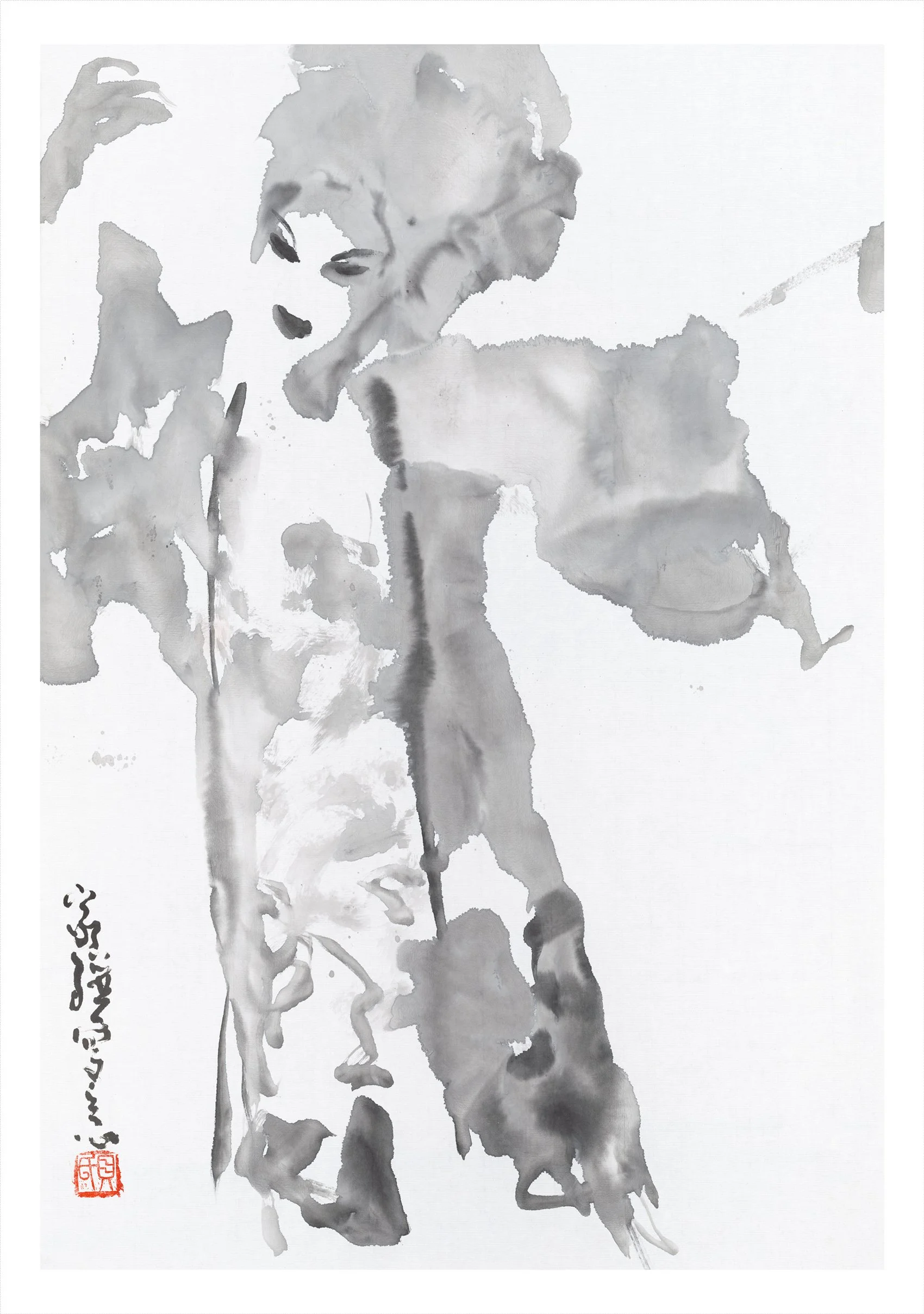
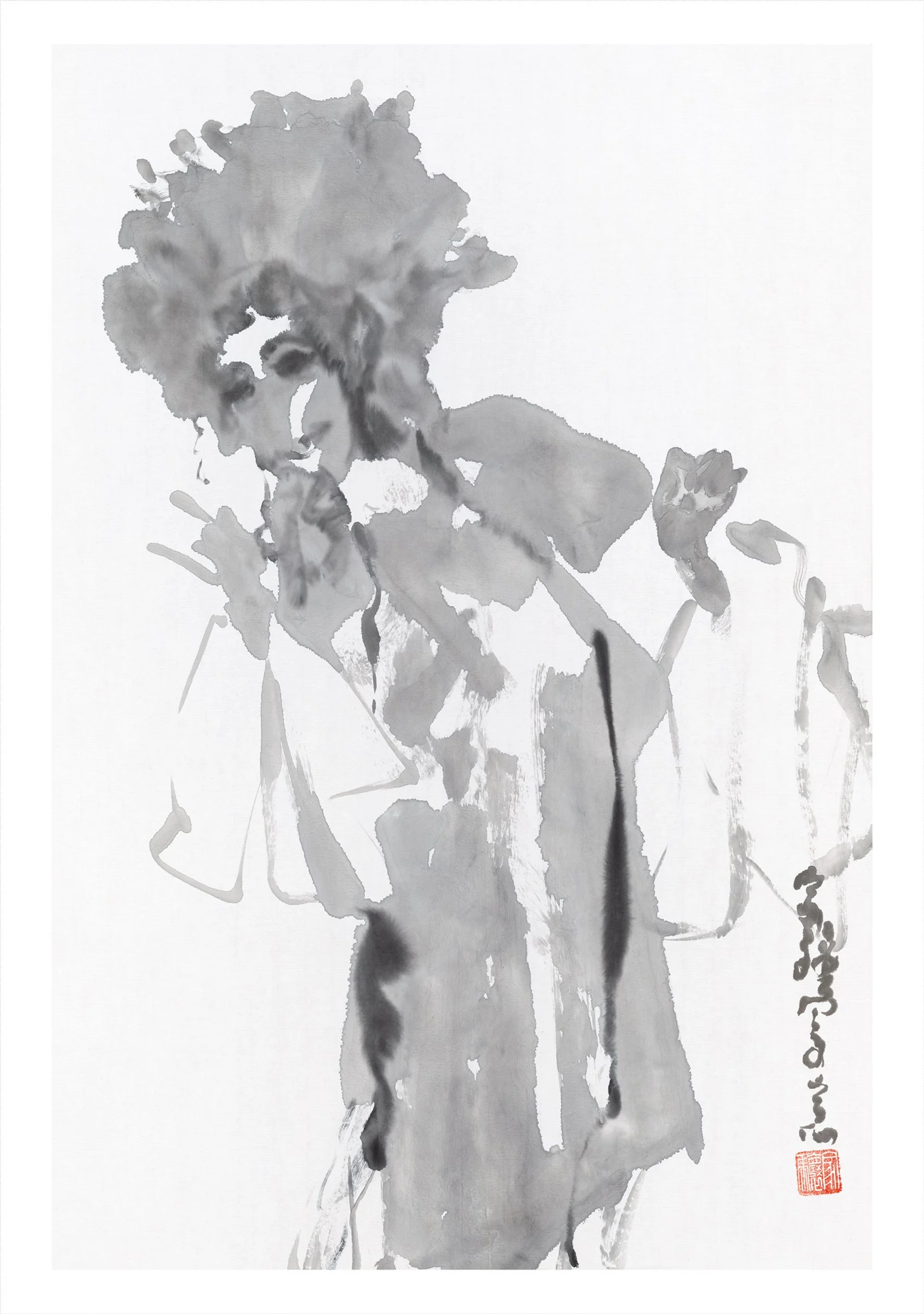
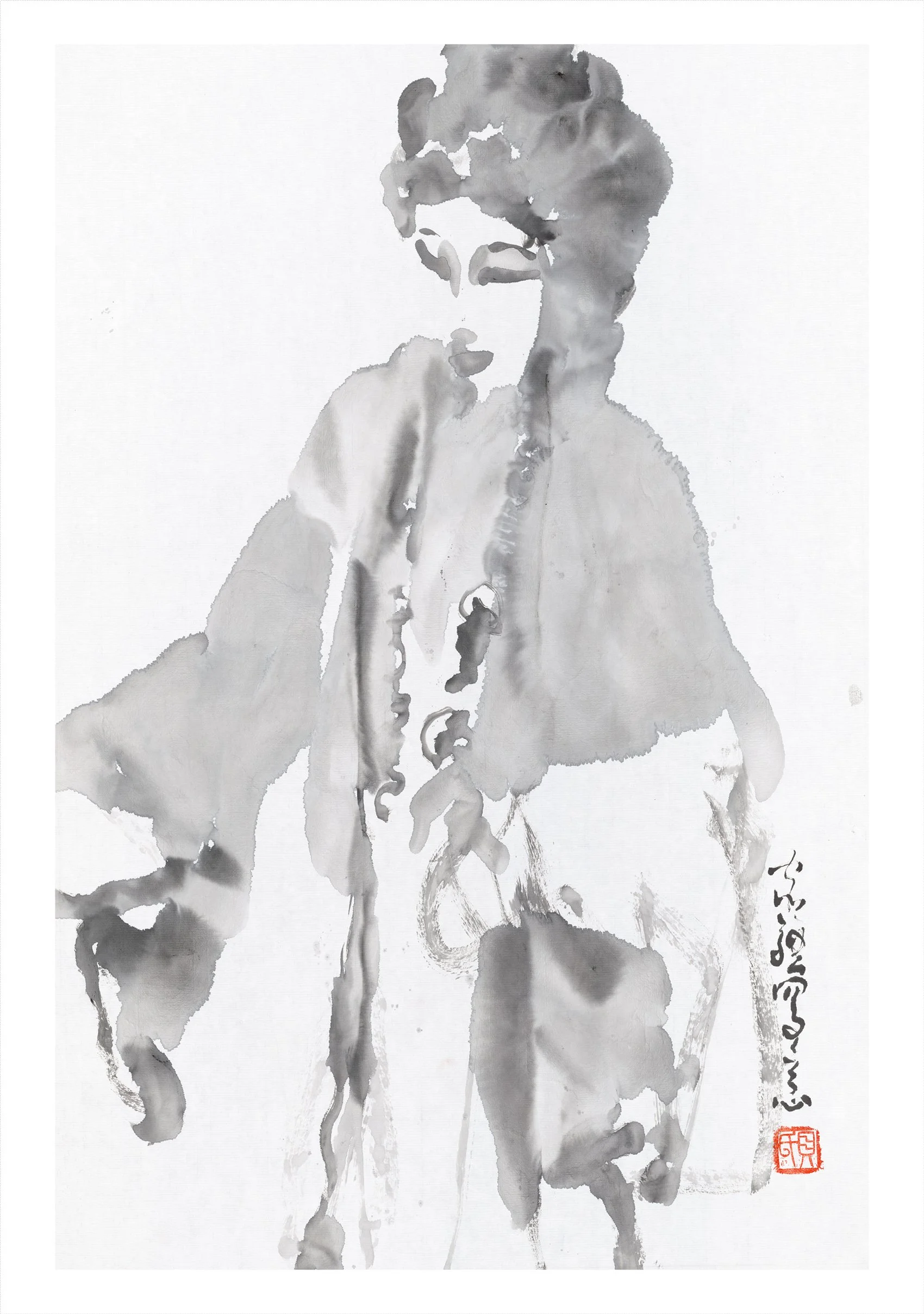
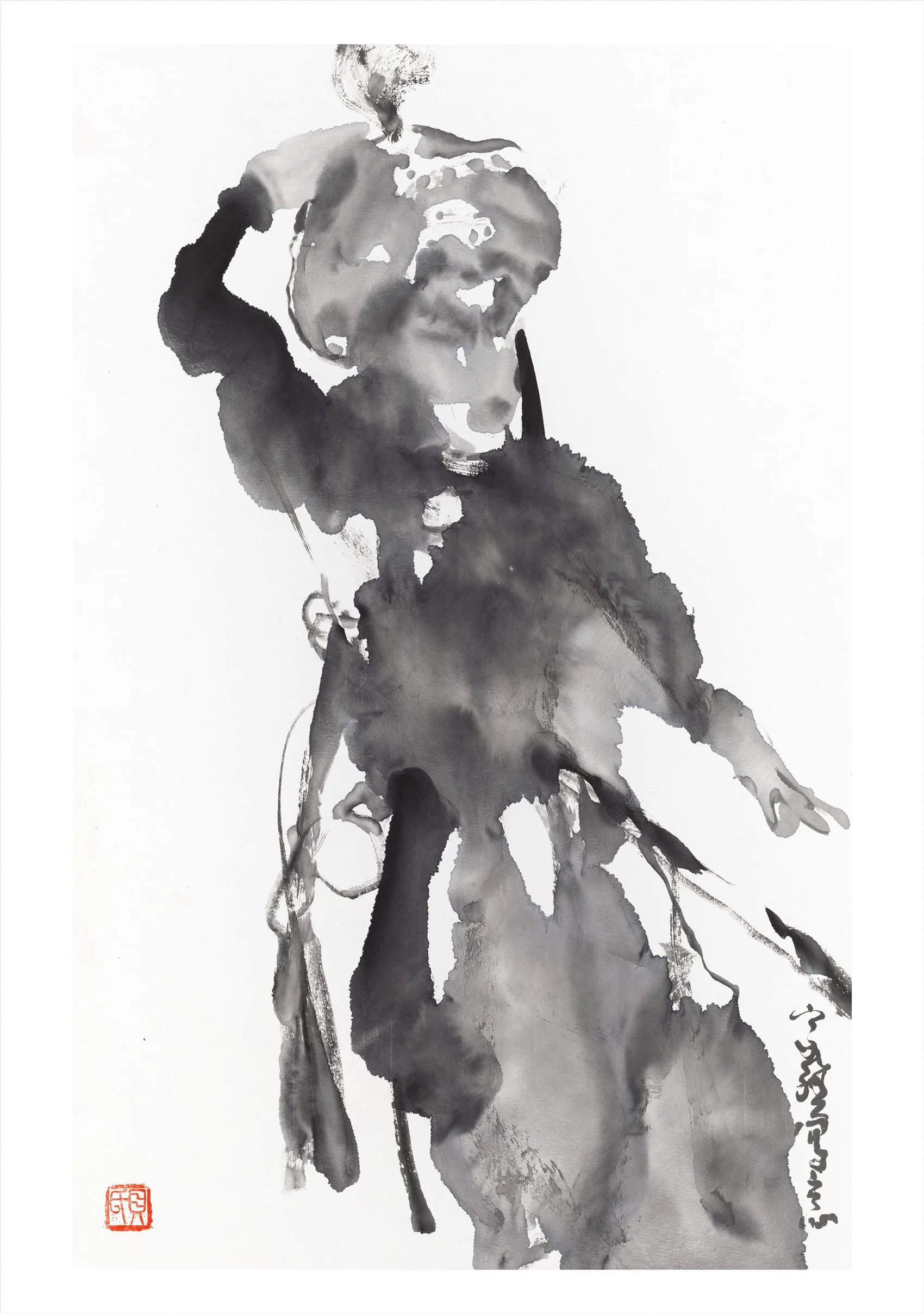
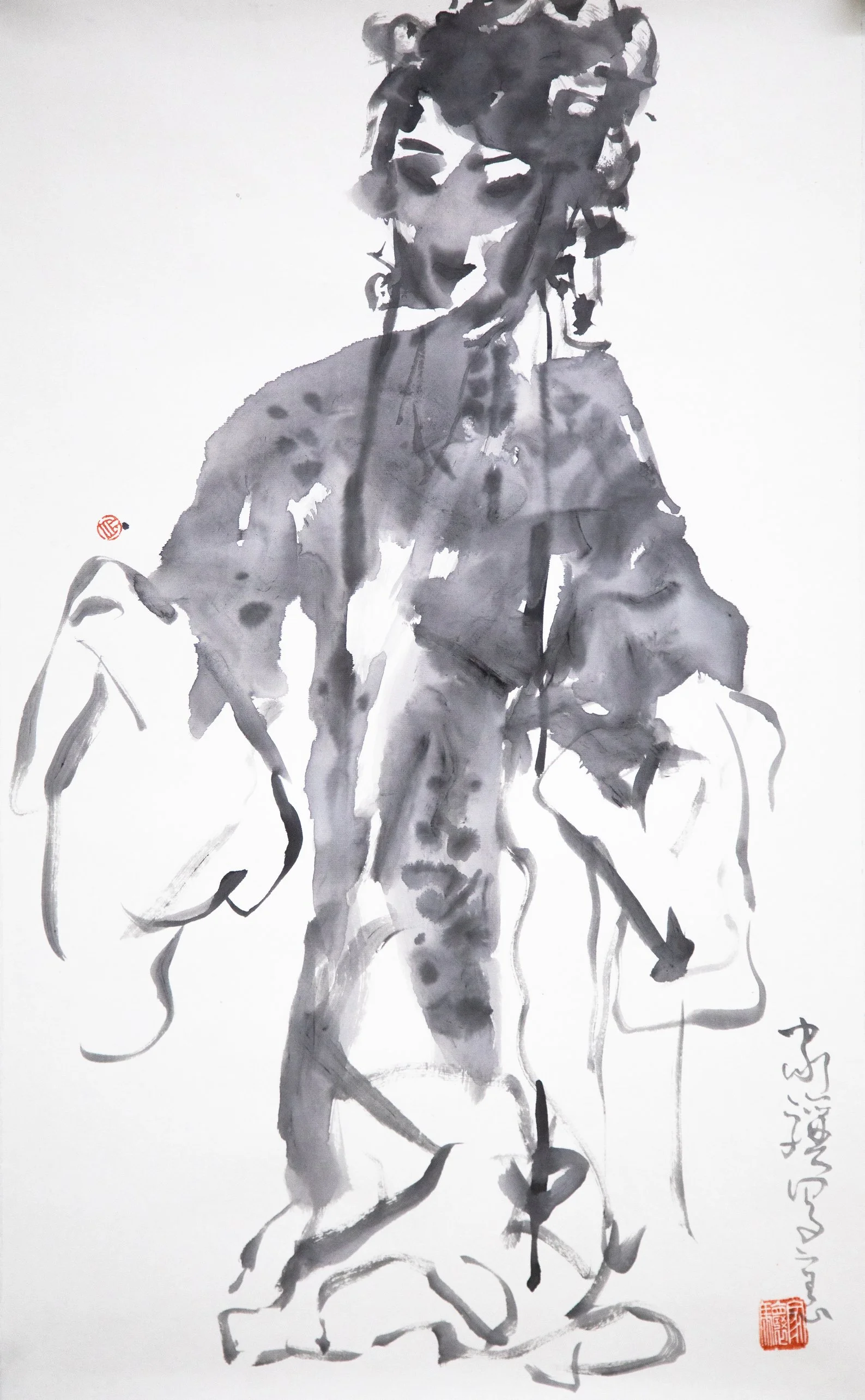
Be Jiaxiang intentionally abandoned the traditional opera-painting practice of meticulously reproducing costumes and facial makeup, choosing instead to capture the framework and rhythm of a performance with only a few strokes. This treatment finds a subtle resonance with Pollock’s action painting in its intuition and spontaneity: both regard creation as a bodily, generative process. Yet BEI’s improvisation is imbued with an Eastern restraint and elegance. Each brushstroke—whether swift or slow, tense or flowing—translates an opera character’s gestures into rhythmic visual signs: these signs are simultaneously an homage to the conventions and a reinvention and personalized interpretation of them.
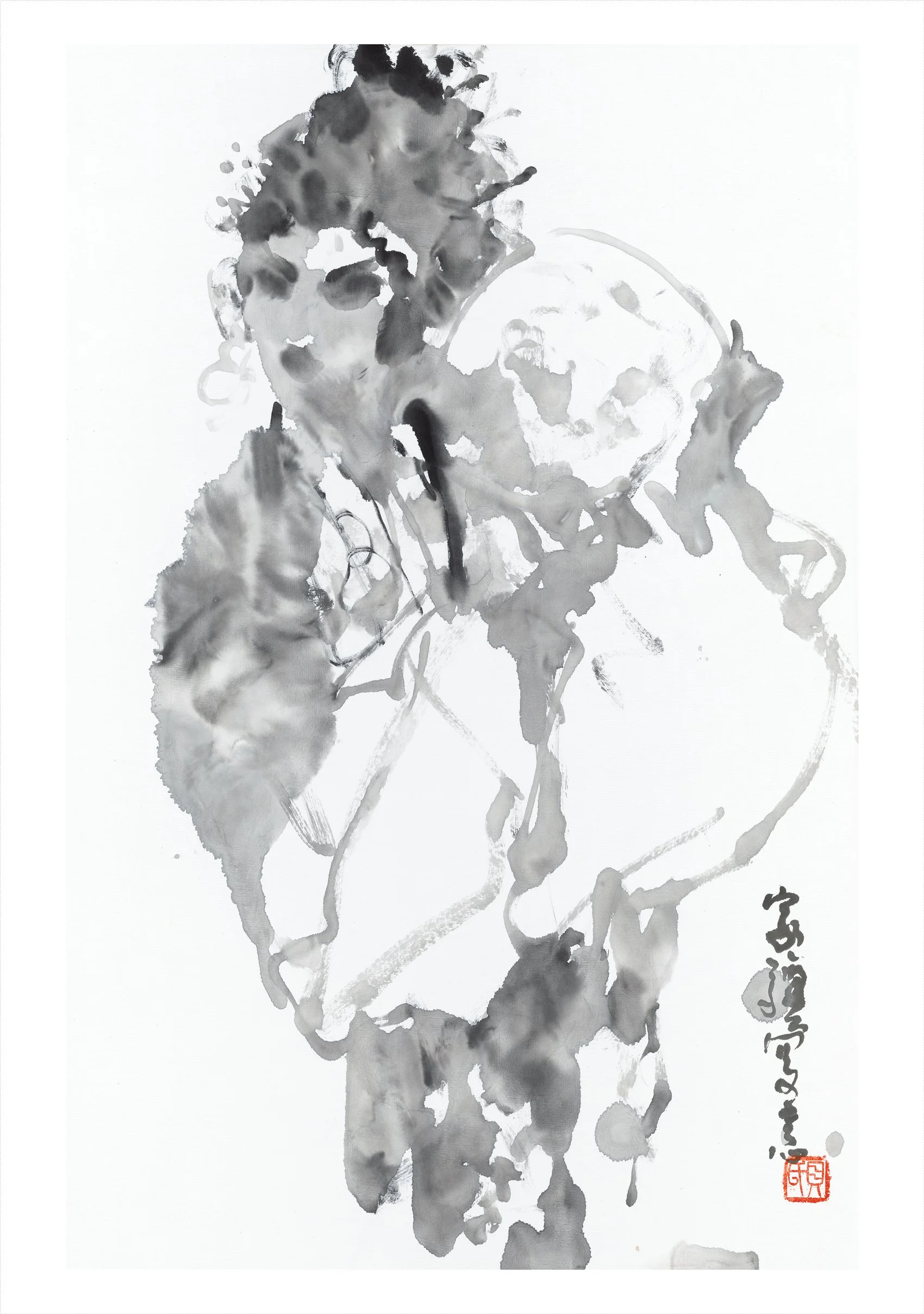
Opera Figure I 18
Ink On Paper
45×67cm
2018
BEI’s spatial treatment is grounded in the traditional technique of “treating the blank as occupied”, from which he moves toward a more modern construction of field—one that approaches Rothko’s exploration of color fields and psychological space. Through gradations of ink density and the rhythmic variation of brushwork, he weaves a visually tense field on xuan paper: it both suggests the physical relationships of curtains, the stage mouth, and performers on the opera platform, and reflects an inner psychological space—emotions resonating in the void, memories wandering through ink traces.
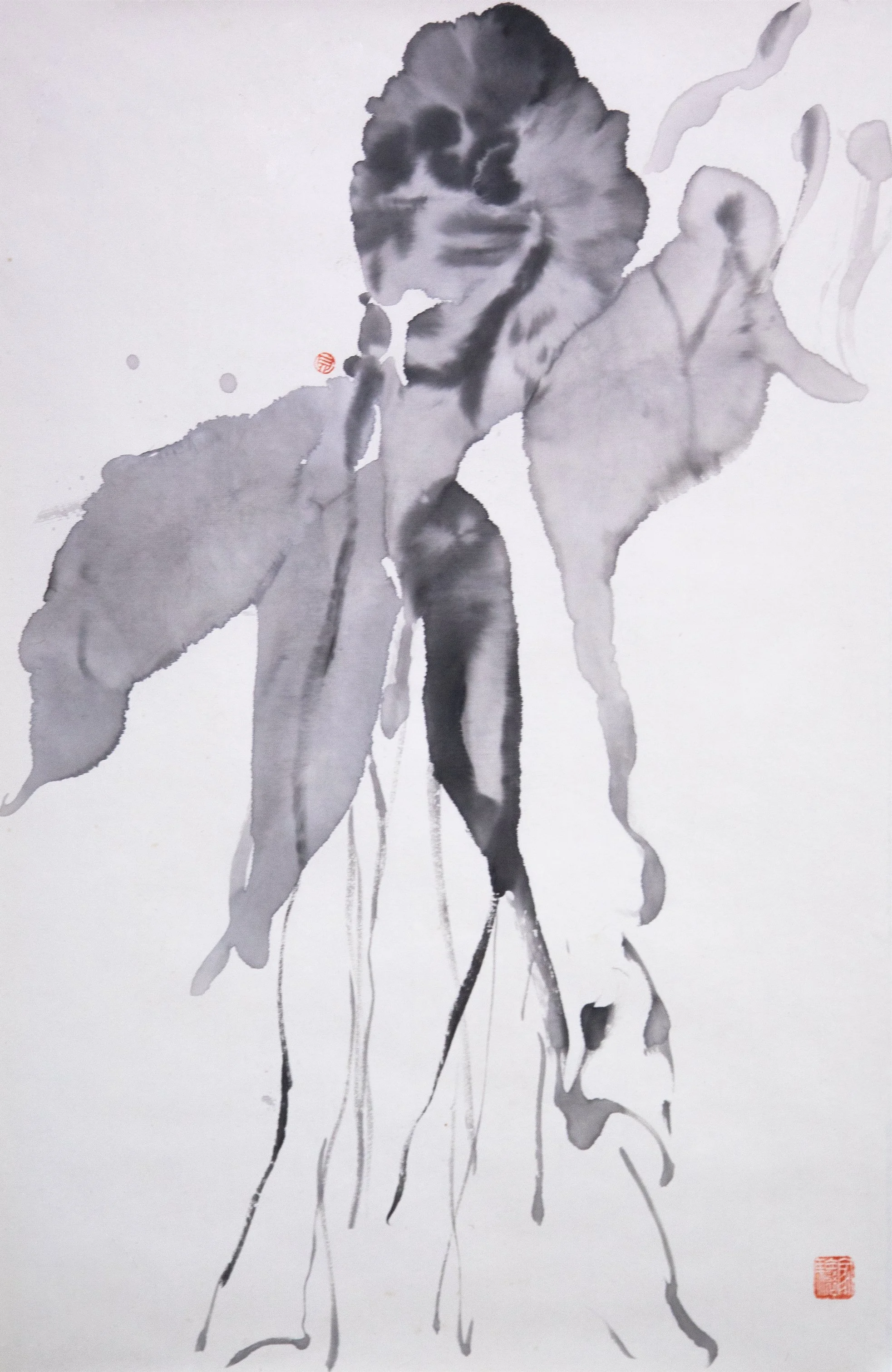
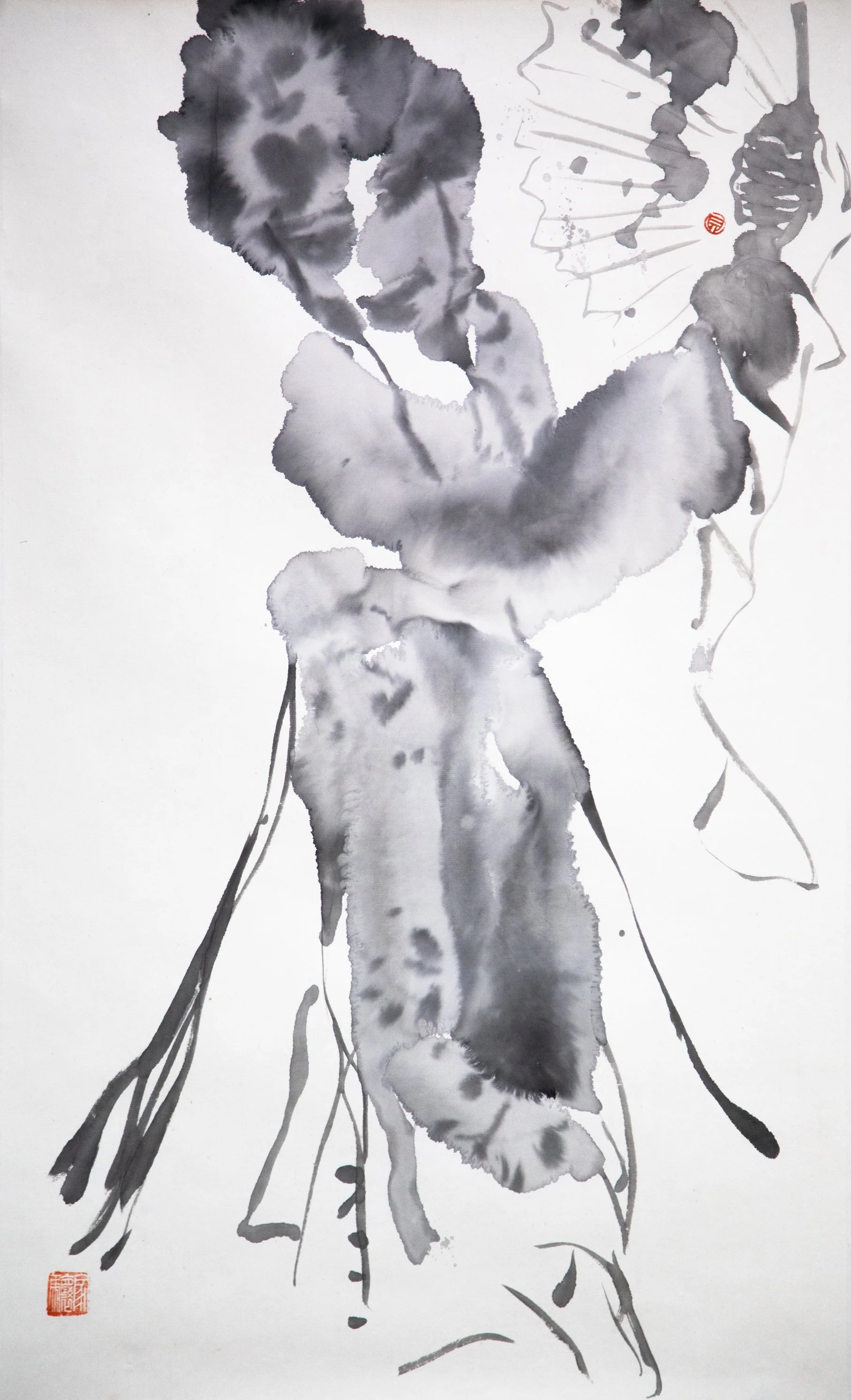
With a minimalist yet robust ink language, BEI Jiaxiang makes a creative transformation of Chinese traditional culture within a contemporary context.