
A Revaluation of Bei Jiaxiang's Art
Having shifted from rigorous realist training to the exploration of imagery, BEI Jiaxiang has completed a crucial transformation in his art language, establishing a comprehensive system of imagery oil painting. The innovation of this system lies in its tensile fusion of multiple opposing categories—improvisation and control, chance and necessity, abstraction and figuration, reason and intuition—achieving a dynamic equilibrium on the canvas. However, situated within the complex and pluralistic context of contemporary art, we must still examine BEI’s cultural position and artistic contributions with a discerning eye, approaching any judgment of his value with composure and patience.
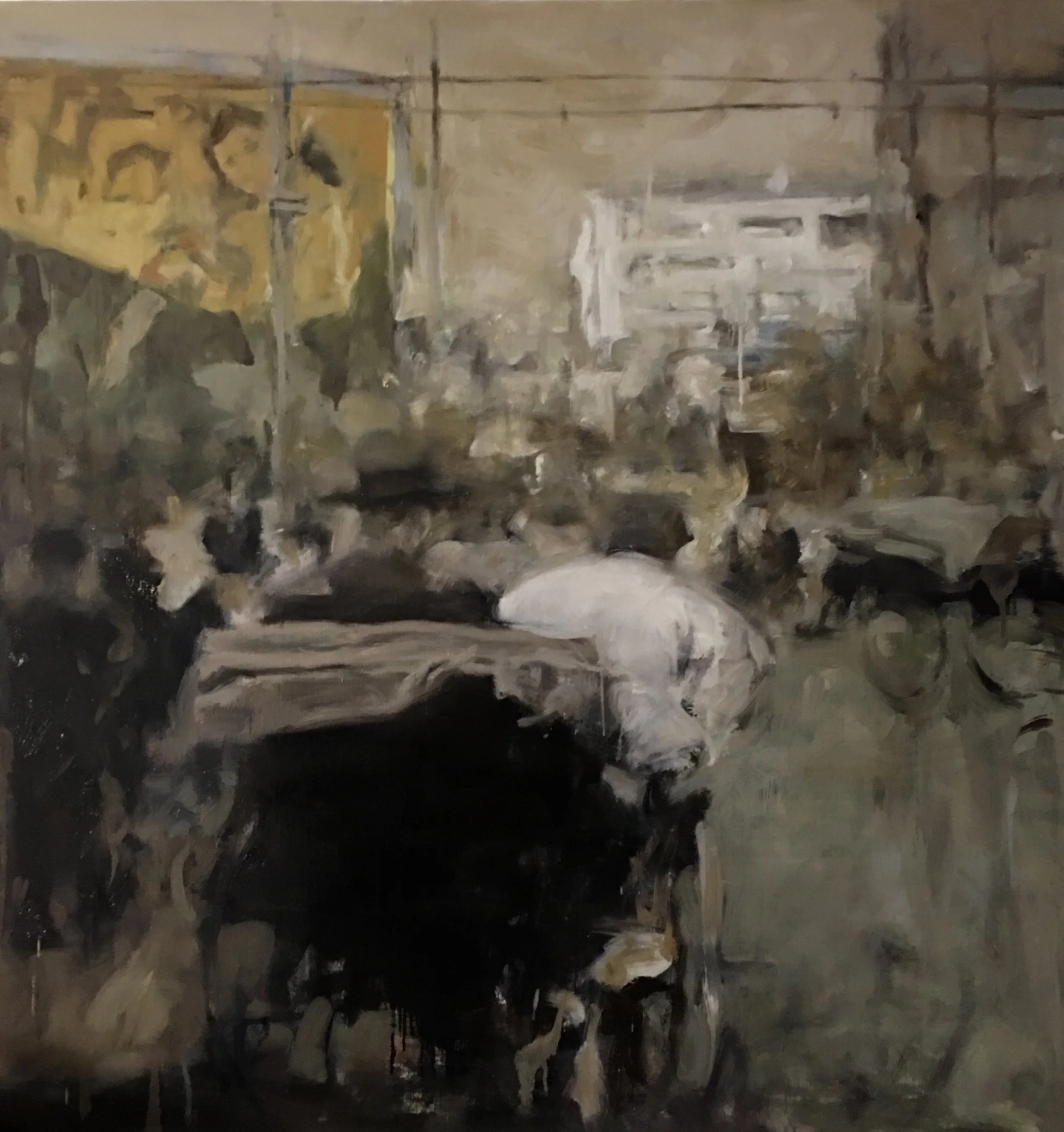
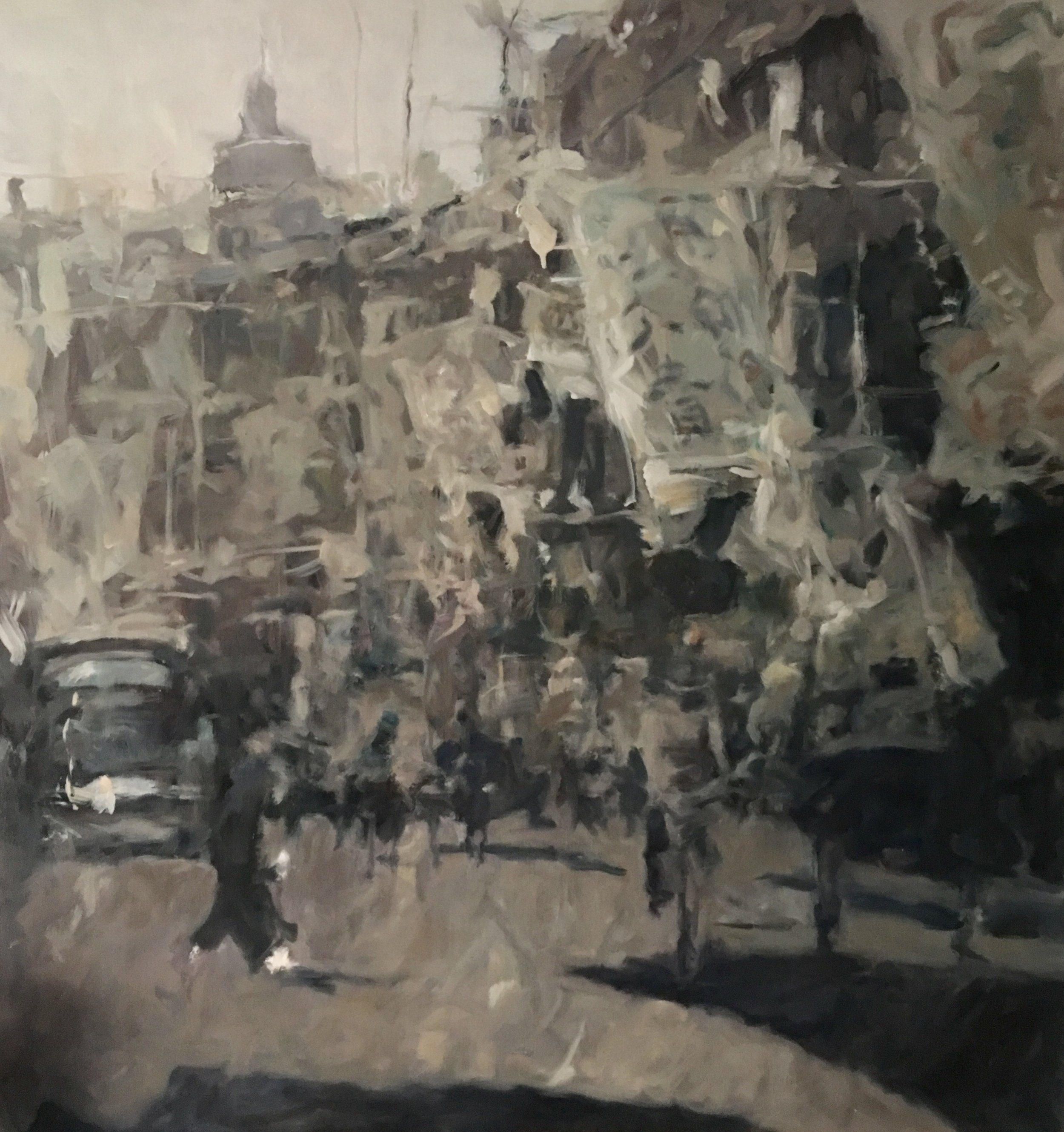
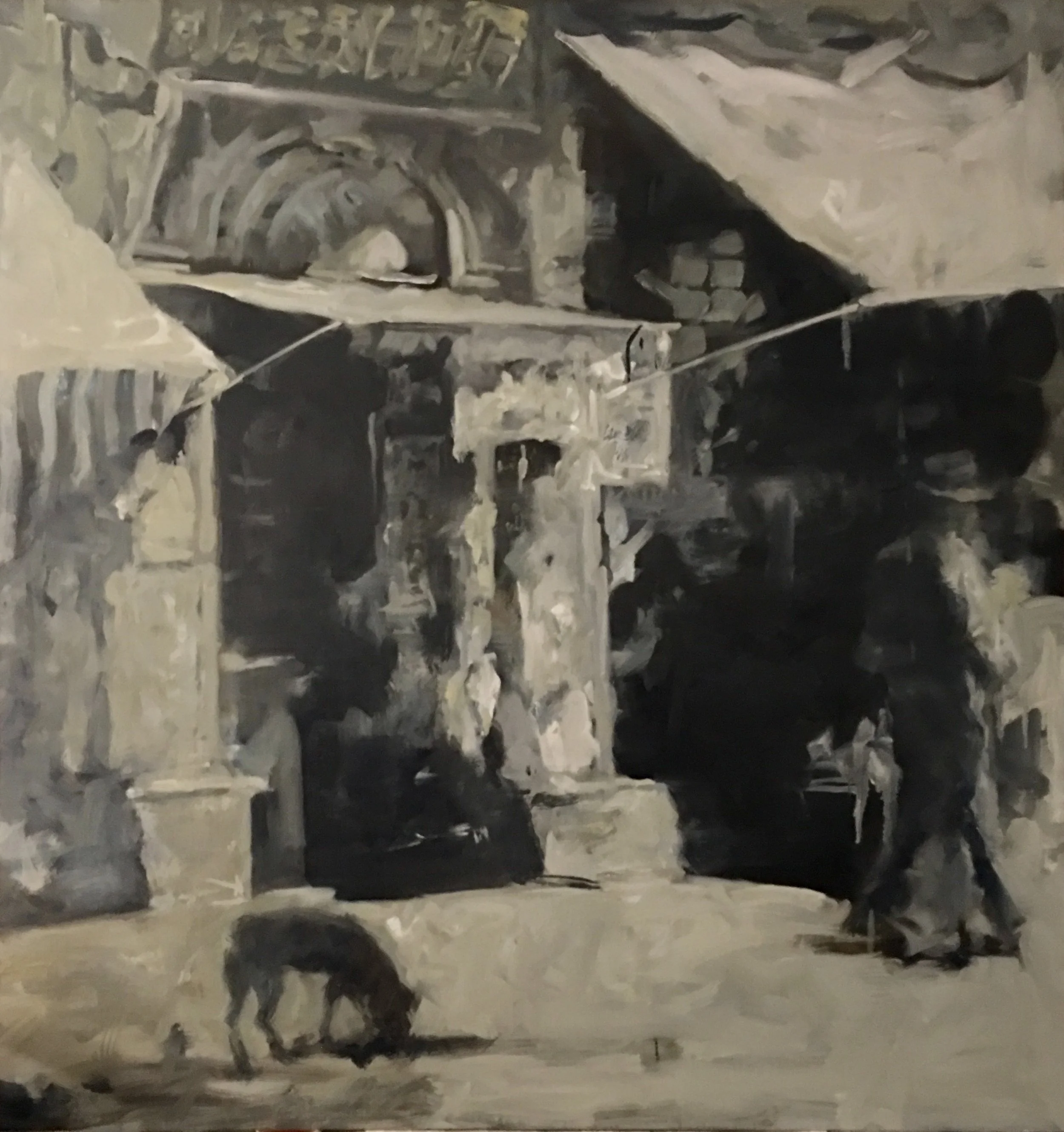
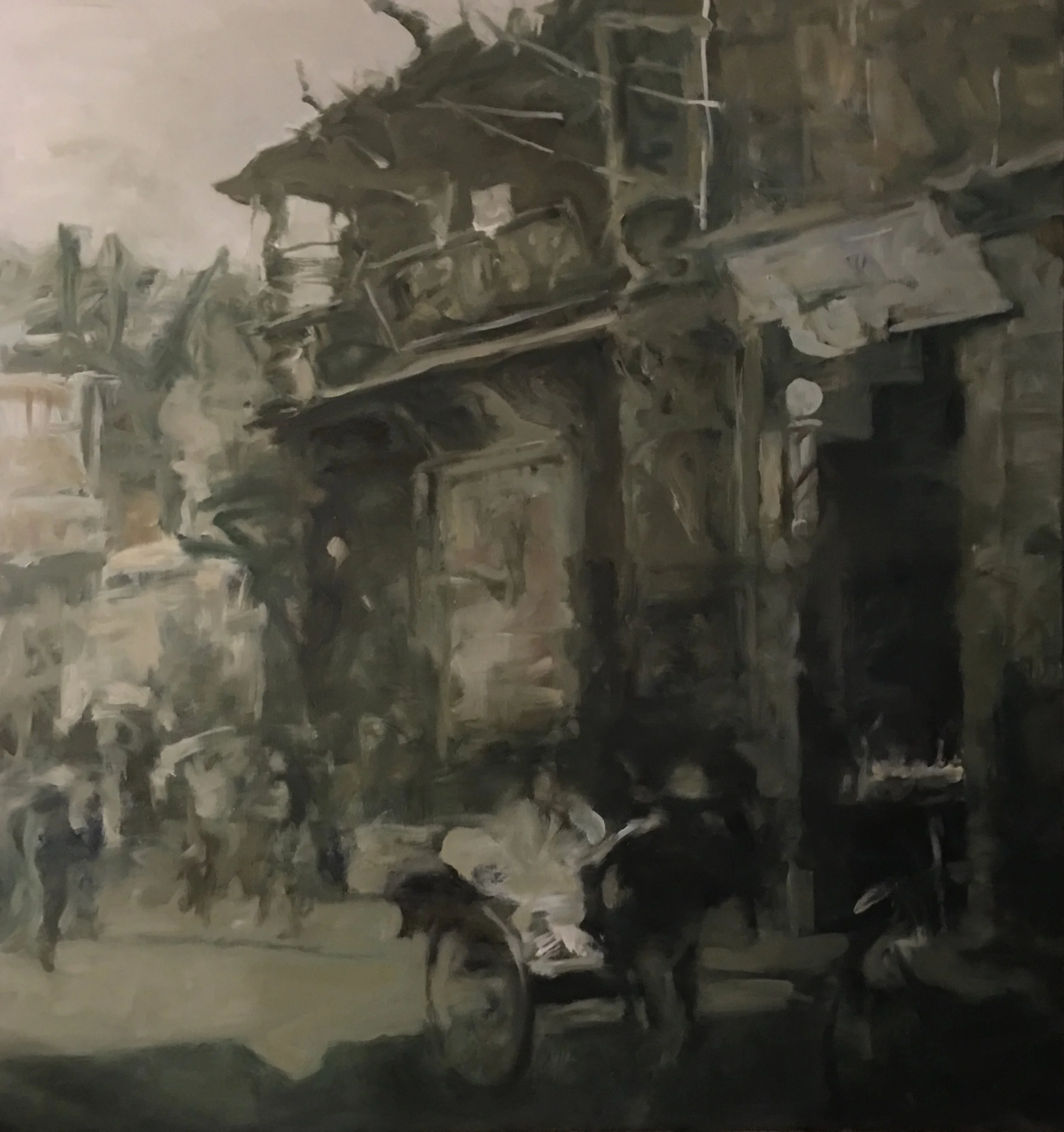
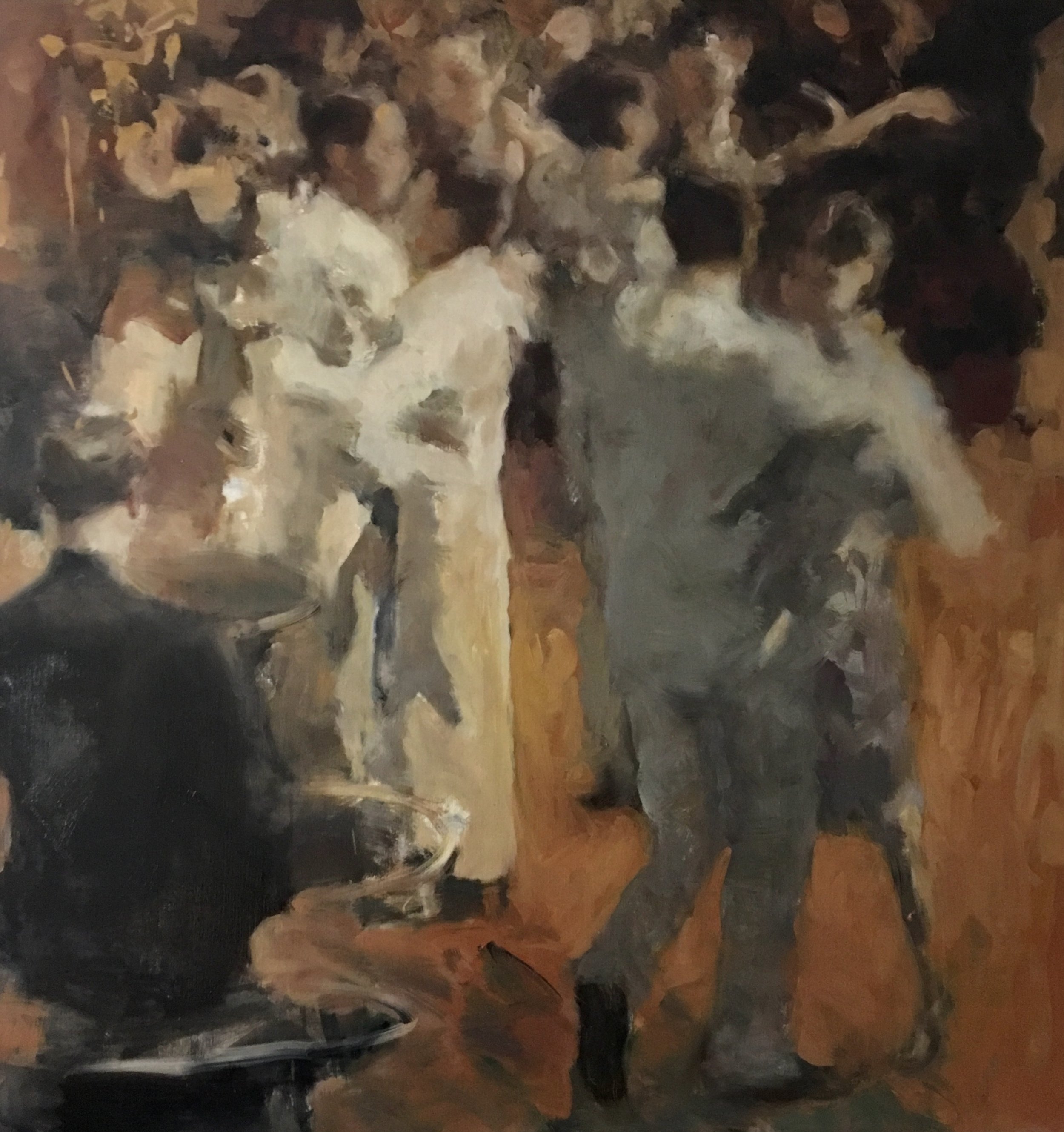
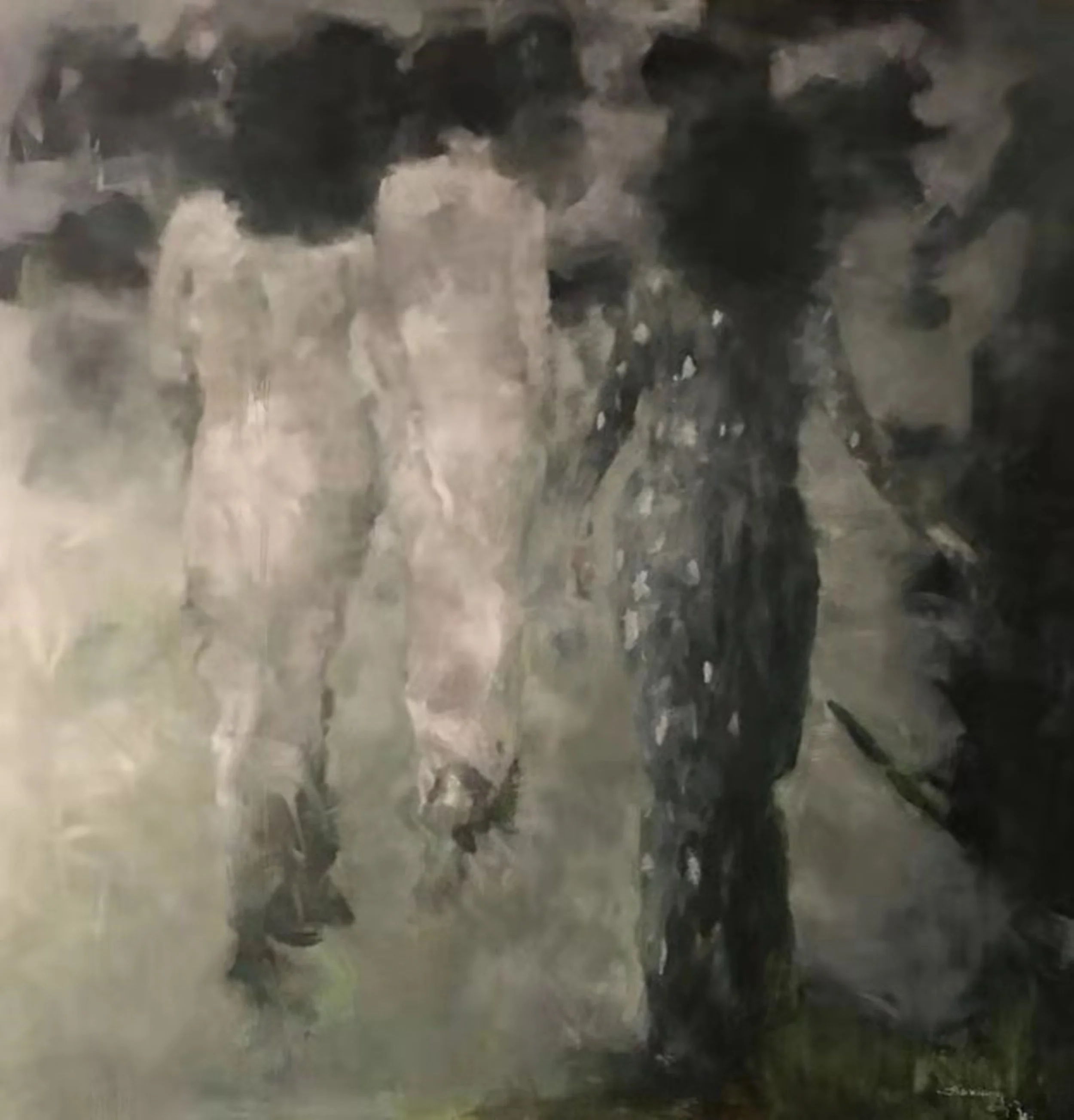
From the perspective of reflecting on modernity, BEI’s imagery oil paintings offer a path that transcends a singular narrative of modernity. The modernity of Western art is often narrated as a linear evolution of formal self-discipline and medium-specific awareness, with the lineage from Manet to Greenberg constituting a certain historical paradigm. Bei’s practice does not reject the achievements of modernism, yet it presents another possibility: a modernity intimately connected to its own cultural tradition, one that innovates through continuation. This resonates with the concept of “multiple modernities” articulated by Charles Taylor, also serving to unsettle, from a visual standpoint, the Western-centric presuppositions of modernity.
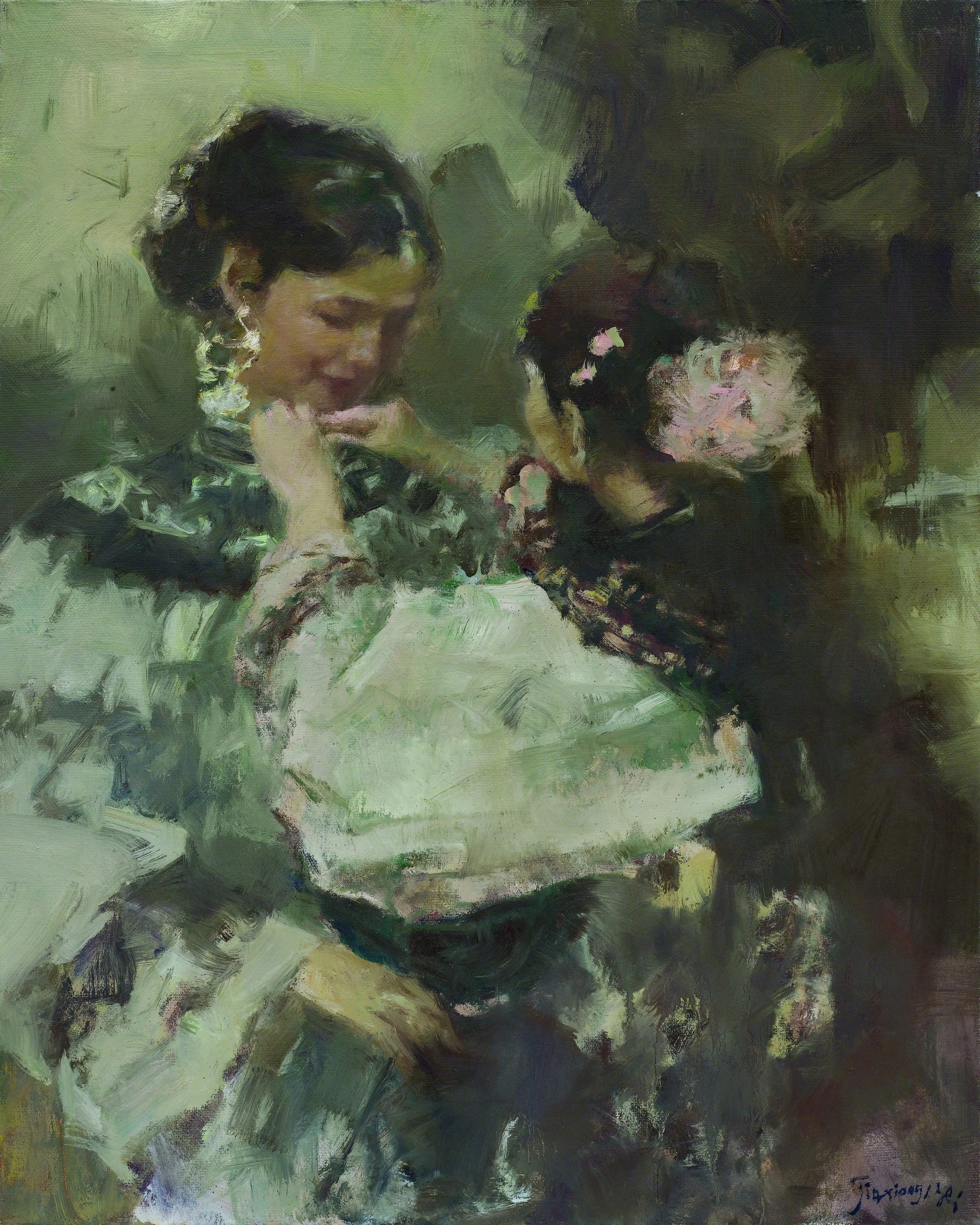
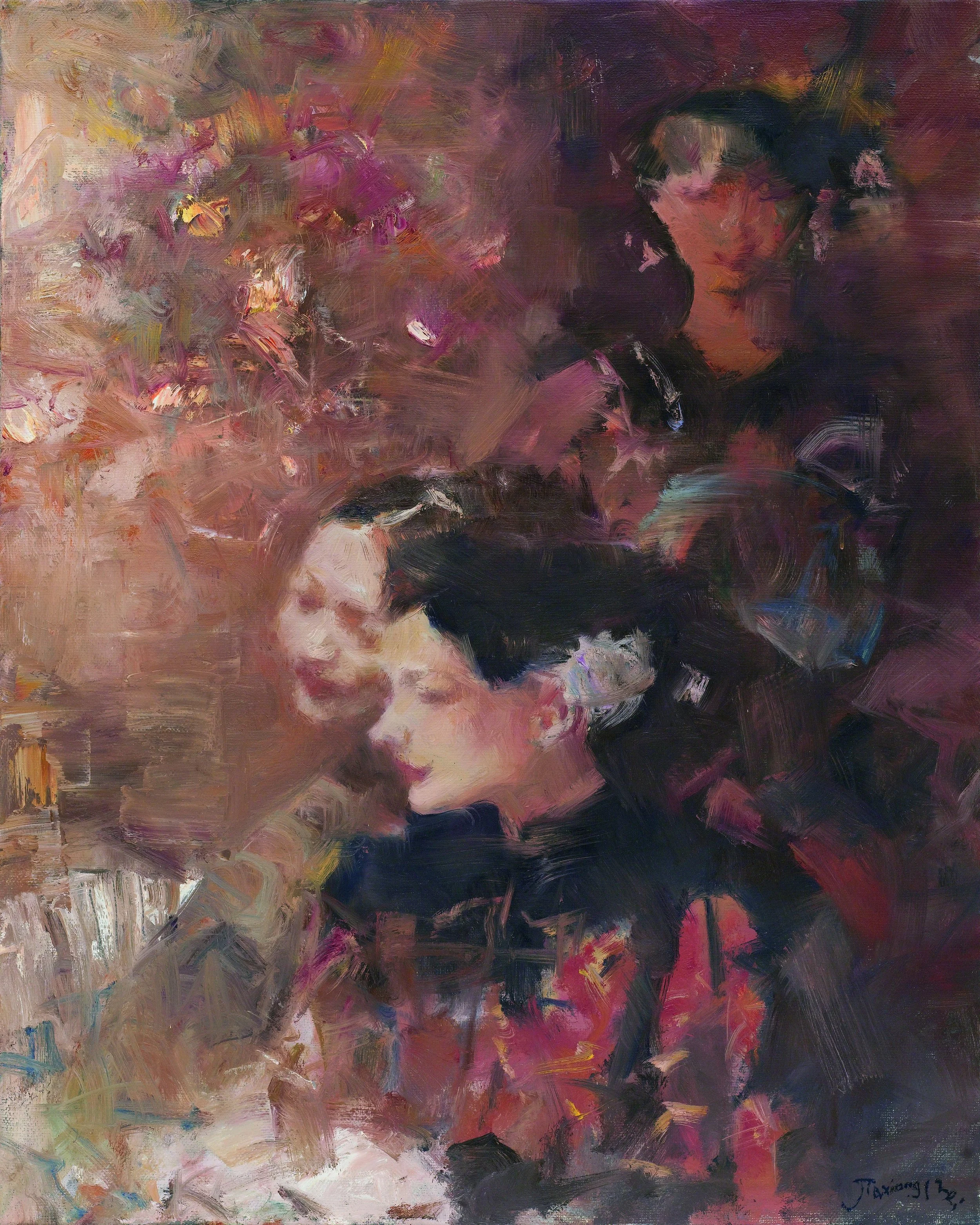

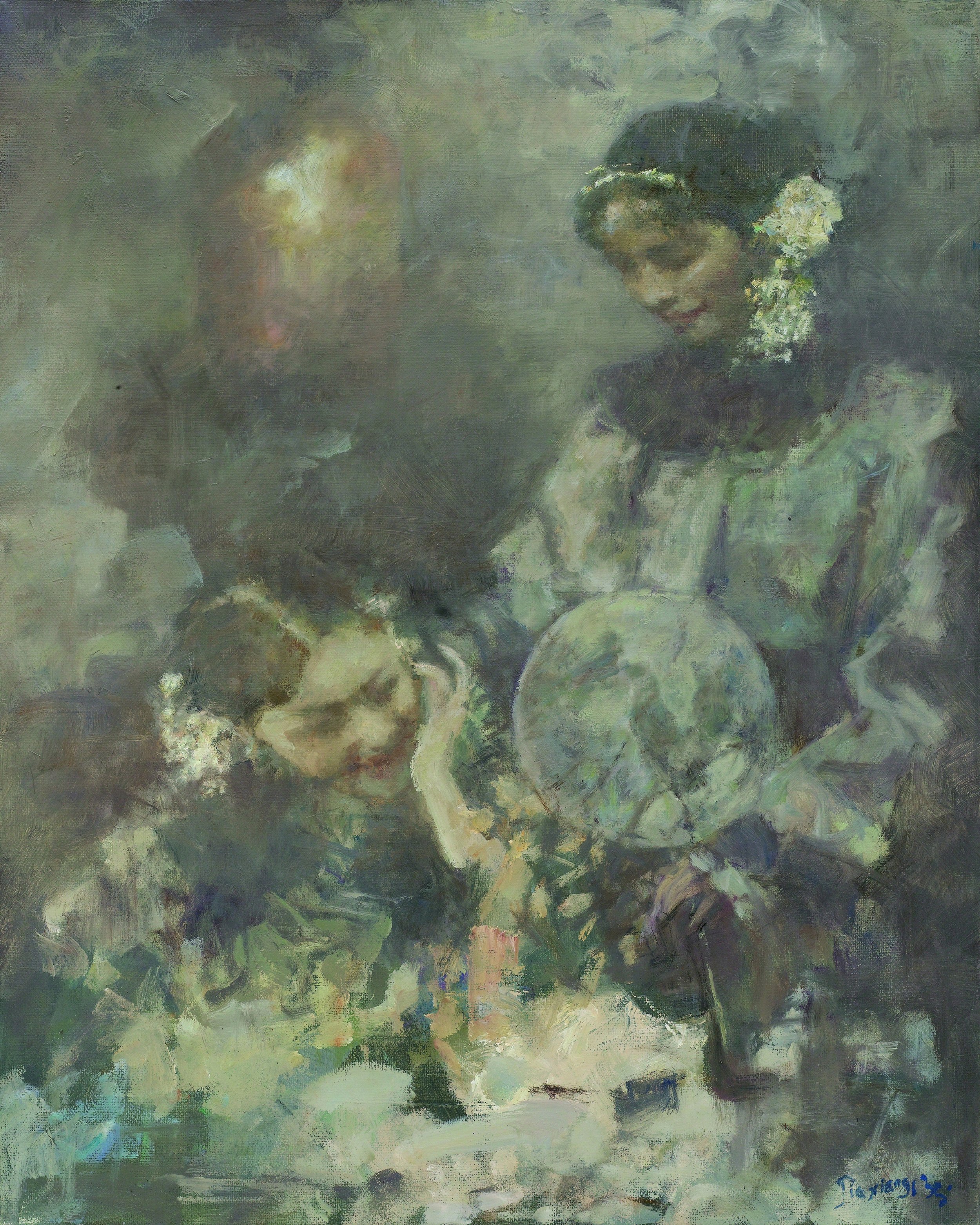
Examining further from the perspective of cultural translation, BEI has constructed a syncretic visual language. His creations are neither a simple transplantation of Western oil painting techniques nor a superficial invocation of traditional Chinese imagery, but are instead dedicated to a deep-level dialogue and creative transformation between the two aesthetic systems. In series such as Chinese Fan, Old Shanghai, and Shanghai Dialect, he engages in an interaction with the spirit of Chinese aesthetics through the medium of oil painting. His approach is not one of grafting symbols, but rather a translation and reconstruction at the conceptual level. In an era marked by both global cultural fusion and homogenizing tensions, such practice suggests a possible path—through “artistic hybridization” (WU Guanzhong’s term)—for maintaining cultural subjectivity: genuine internationalization is precisely manifested in the open-minded, modern evolution of tradition.
It must be acknowledged that BEI’s artistic exploration retains a certain quality of incompleteness. As an open direction, imagery oil painting still has room for further development in terms of refining formal language, deepening spiritual expression, and achieving organic cultural integration. However, this incompleteness is not a shortcoming; rather, it signals the potential for growth inherent in this path, inviting subsequent artists to continue delving deeper in this direction.
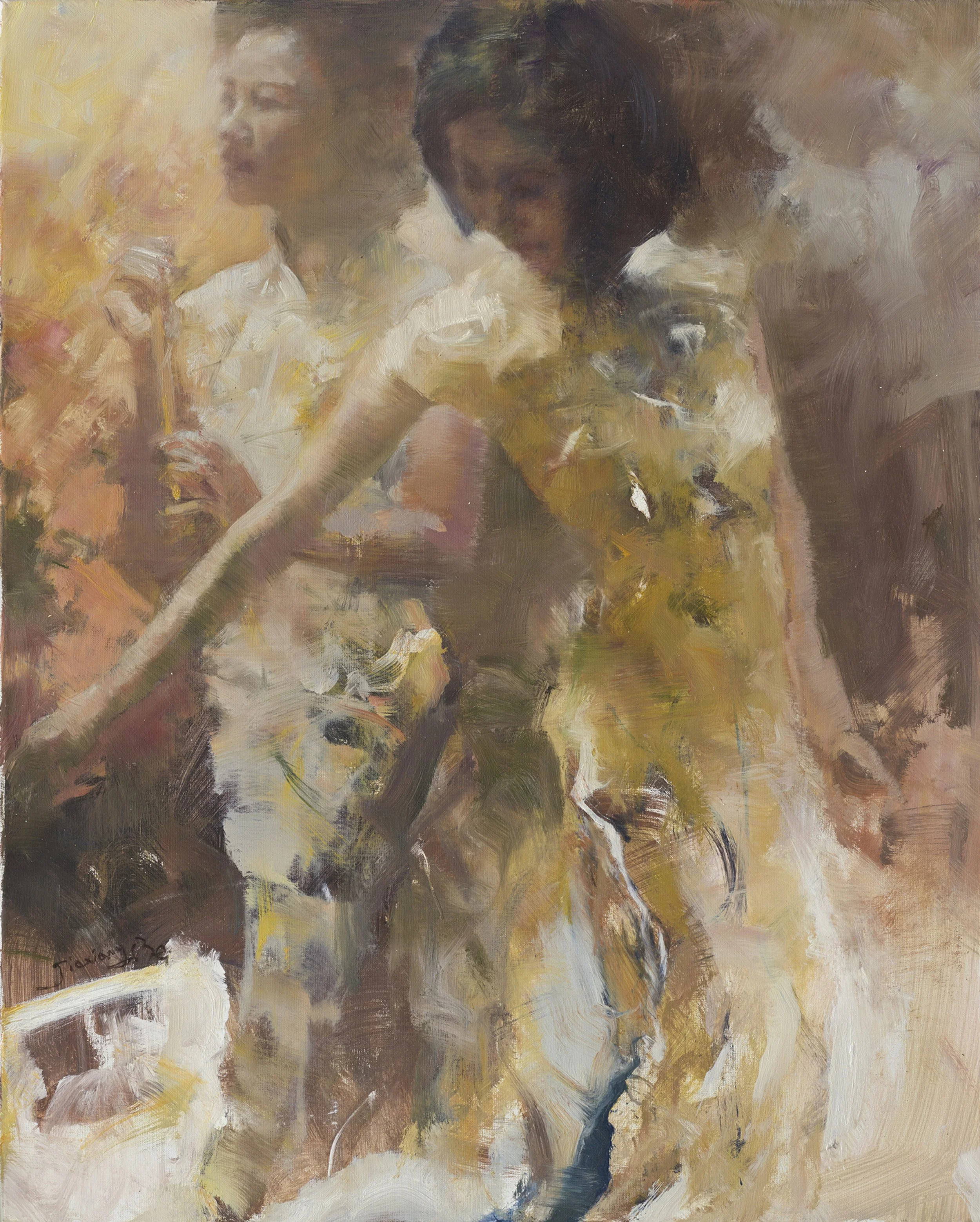
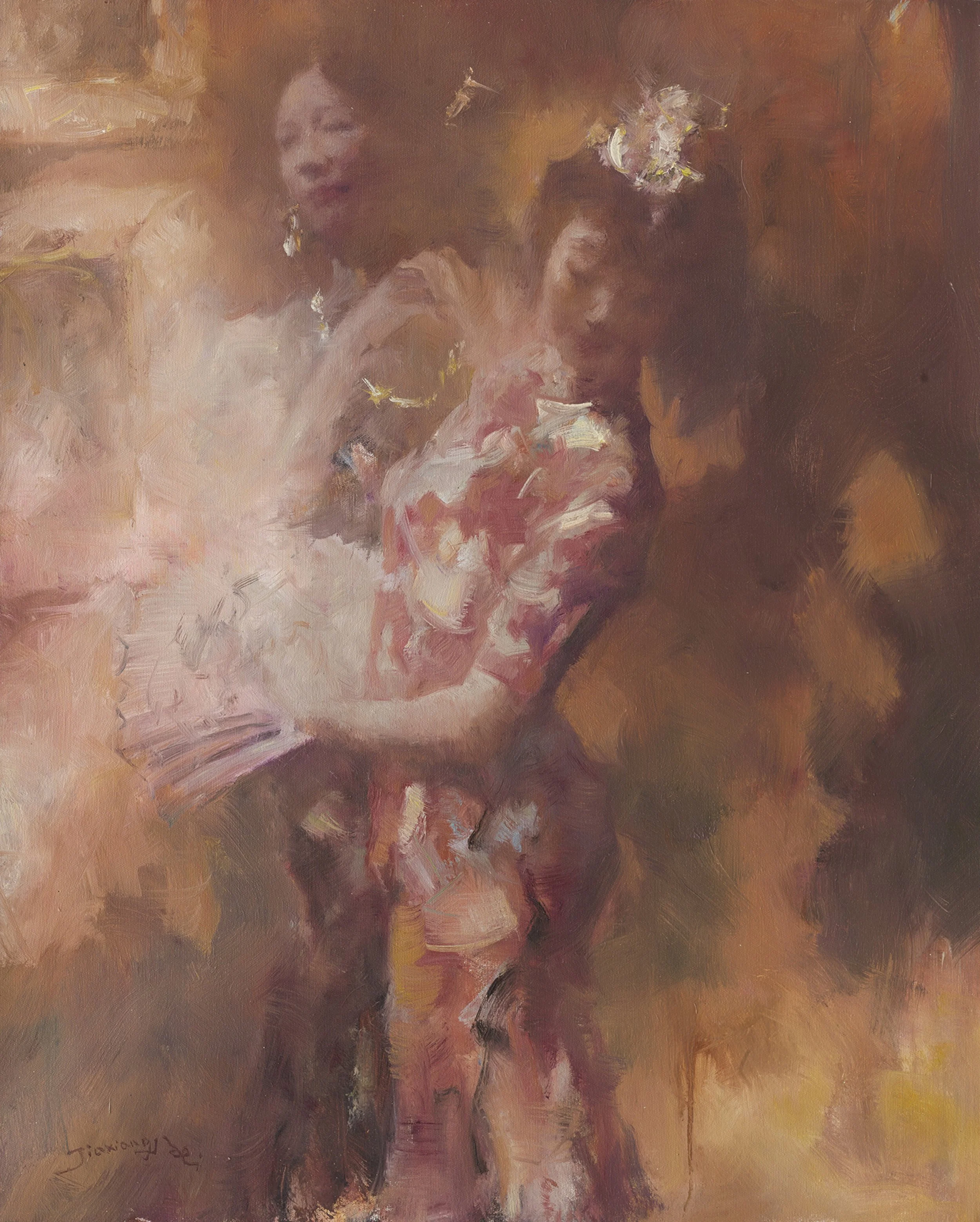

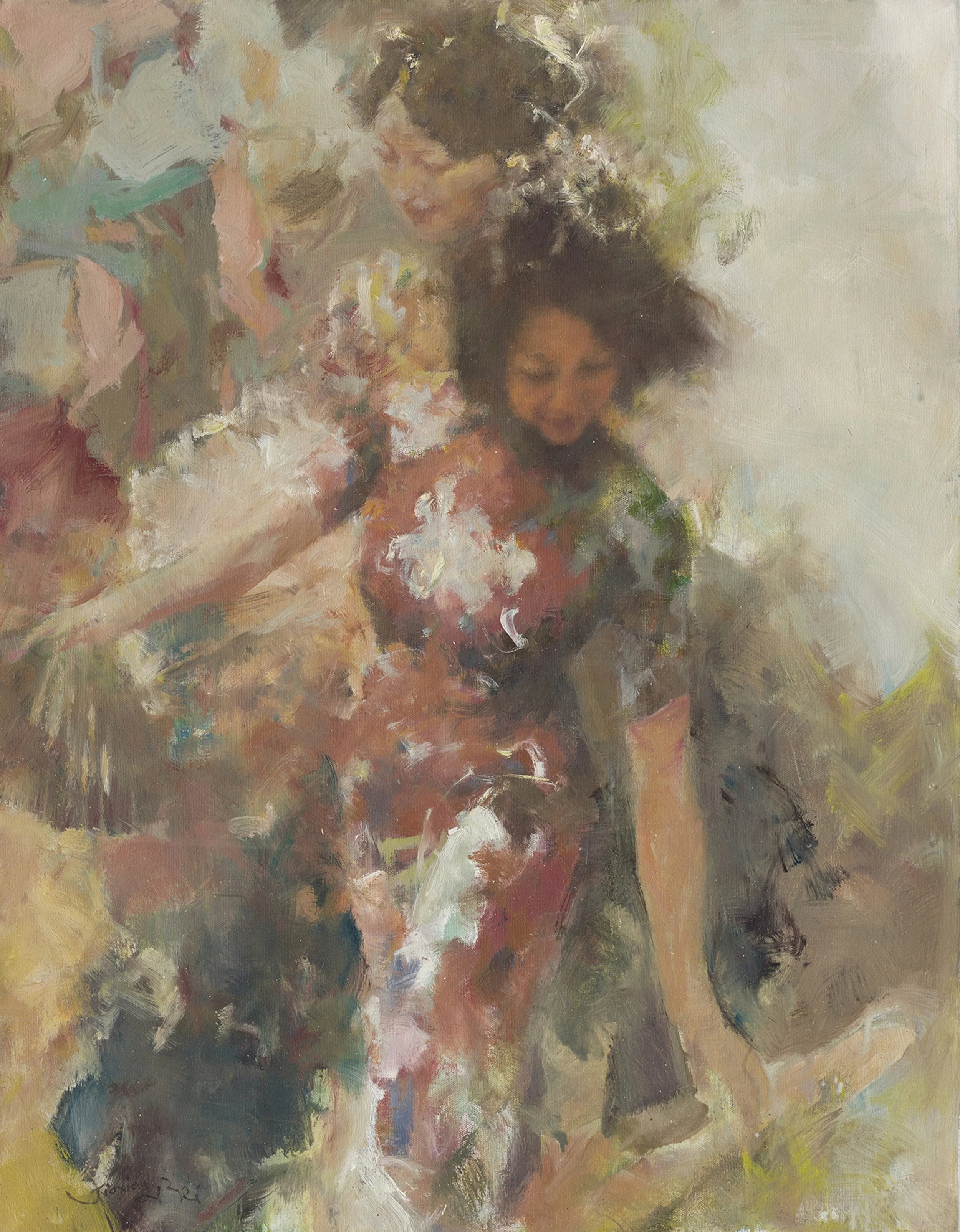
Ultimately, BEI Jiaxiang’s practice reveals that cultural confidence stems not from closed-off self-repetition, but from creative transformation achieved through open dialogue. His works are both a contemporary interpretation of the spirit of Chinese aesthetics and an intrinsic expansion of the language of oil painting. As the art historian E.H. Gombrich noted, “Artists do not begin by observing nature, but by observing tradition.” BEI’s imagery oil painting is precisely this: it originates from a profound observation of both Chinese and Western artistic traditions, yet transcends mere observation, moving towards fusion, transformation, and transcendence. In this sense, his exploration has surpassed the establishment of a personal style, becoming a representative attempt by contemporary Chinese oil painting to find its own grammar within the context of globalization. Through his works, we witness not only the maturation of a pictorial style but also the formation of a cultural stance: composed, open, confident, and always grounded in the richness of imagery and the enduring quality of resonance.