
Imagery · Form II — A Formal Analysis of BEI Jiaxiang
The autonomy of brushwork is another important feature of BEI Jiaxiang’s imagery language. His exploration of brushwork is deeply connected to the traditional Chinese concept of “brush-and-ink,” yet undergoes a medium-specific transformation. The Qing Dynasty painter SHI Tao’s One-Stroke Theory emphasizes the brushstroke as an embodiment of the cosmos’s generative principle. BEI’s practice can be read as a contemporary interpretation of this idea — in his canvas each brushstroke functions as the originating point of the formal world, and the interweaving and layering of strokes construct a complete imagistic space.
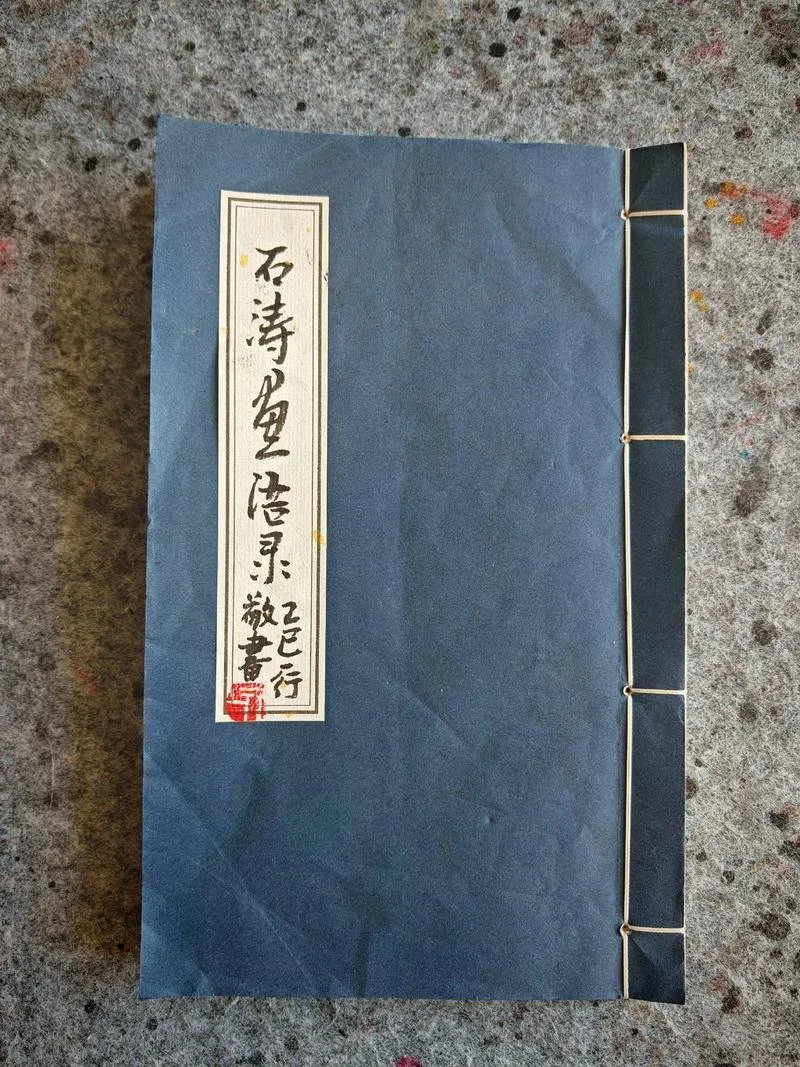
One-Stroke Theory
SHI Tao - The Qing Dynasty painter
In the Shanghai Dialect series, brushstrokes cease to be merely tools for modeling form and gain independent expressive value. The strokes in these works carry the rhythmic quality of Chinese calligraphic line while also possessing the vigor of Western Expressionist painting. Variations in weight, tempo, wetness and thickness produce rich rhythmic shifts, as if the tonal cadences of the Shanghai dialect have been visualized into a symphony of color. This autonomy of brushwork is not a formalist game but the direct materialization of feeling, aligning with Harold Rosenberg’s famous definition of action painting: the canvas is a stage of action for the artist, not a space for reproducing, redesigning, analyzing, or depicting an object.
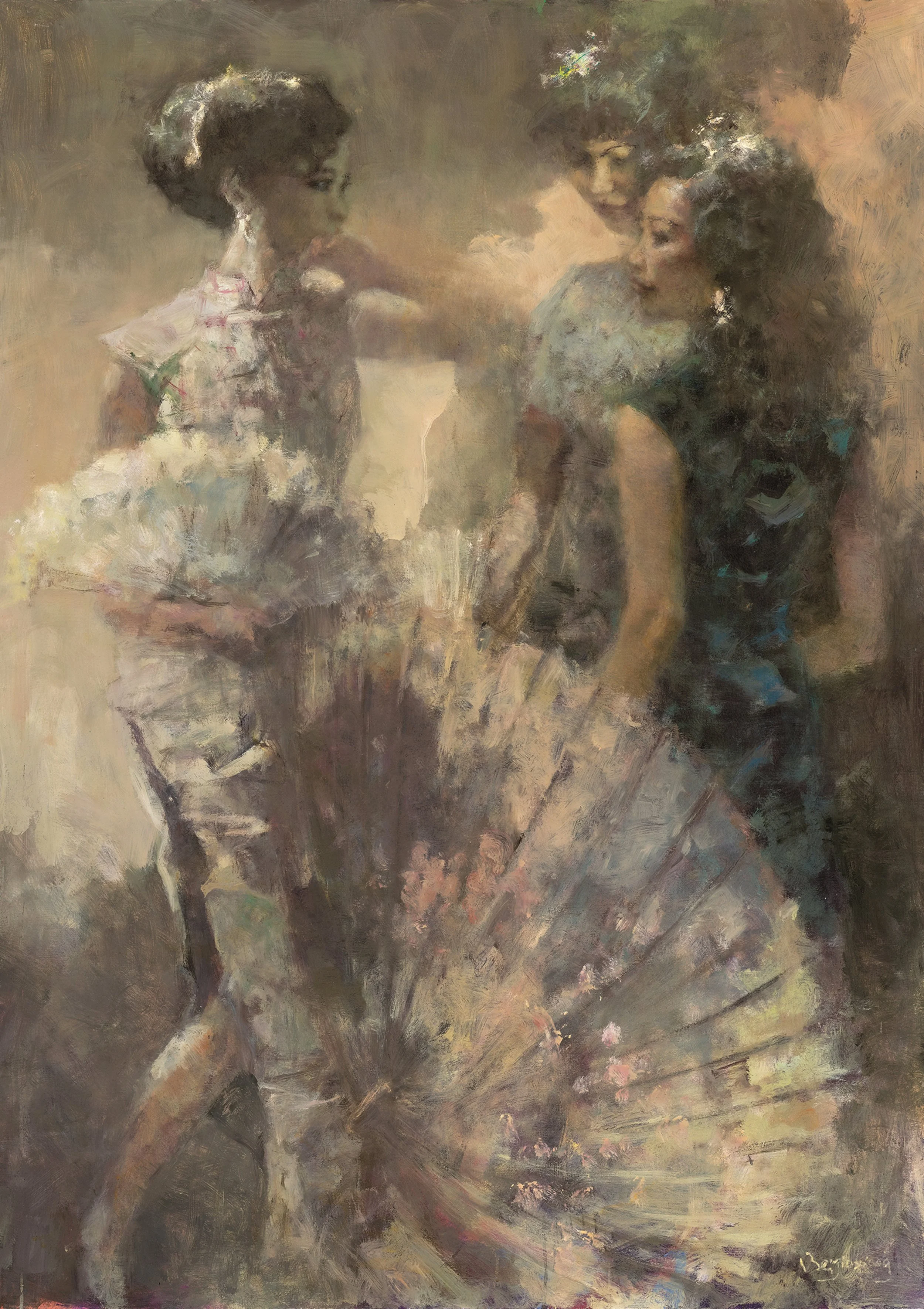
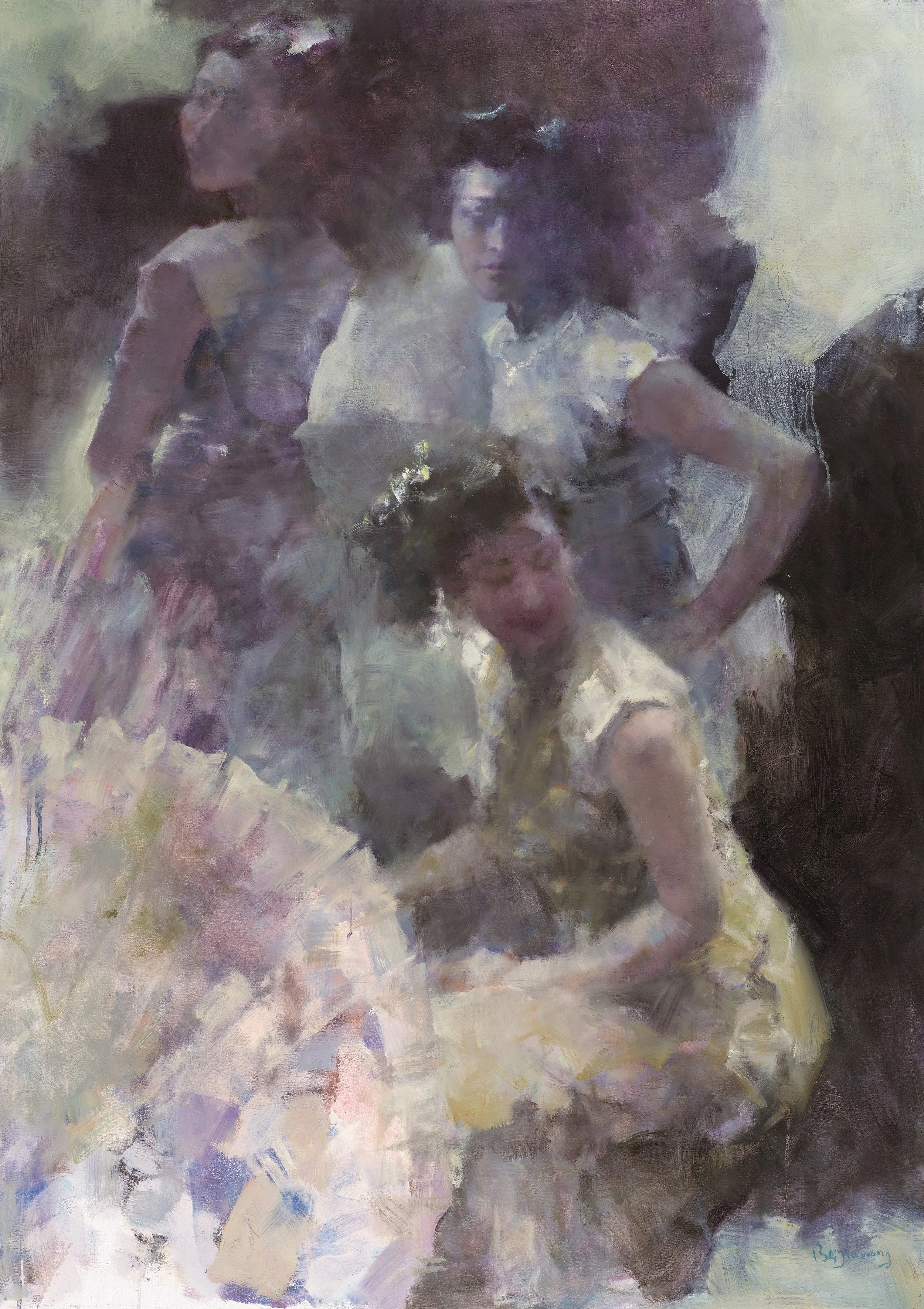
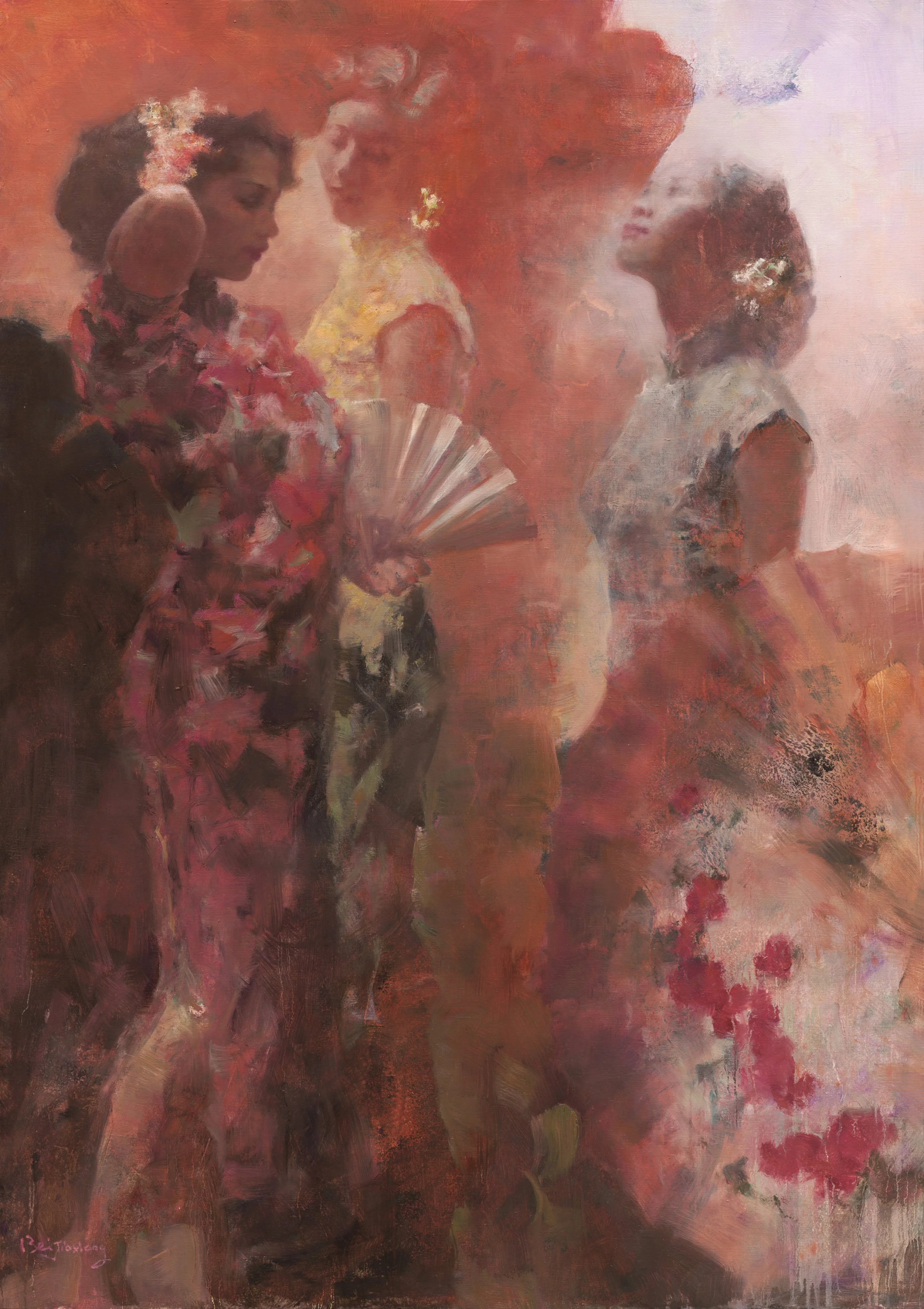
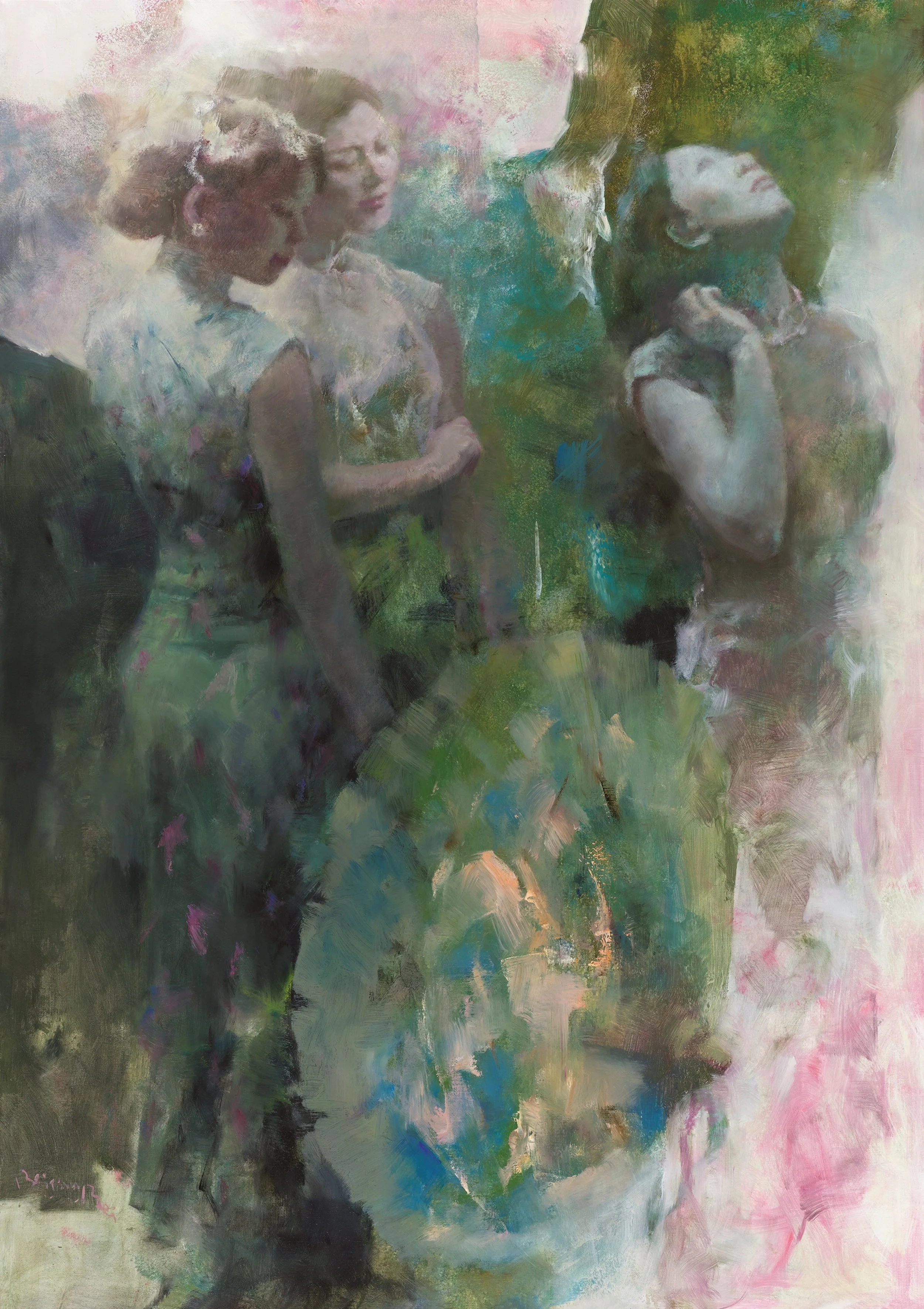
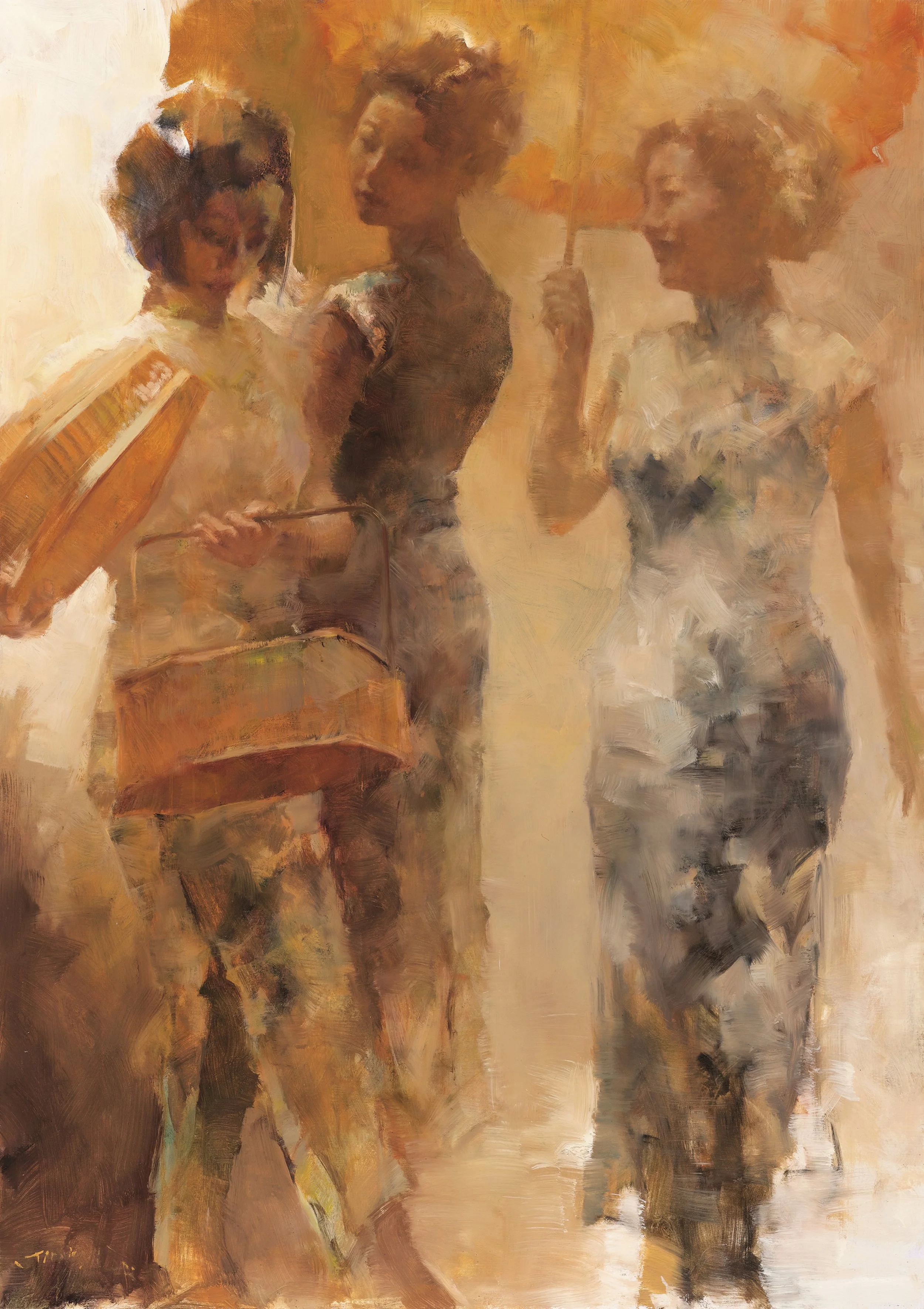
This profound understanding of brushwork naturally extends to a careful handling of pictorial materiality. BEI adeptly combines impasto buildup with thin glazes so that the material qualities of pigment themselves participate in the narrative. In the Airy Steps series, multilayered paint not only produces rich tactile textures but faithfully documents the passage of time and the moments of decision in the making process. Yet he remains wary of mere material spectacle: all textural effects strictly serve the expression of the overall image, allowing materiality to merge into the work’s spiritual atmosphere and reflecting the Eastern wisdom of “using the vessel to carry the Way.”
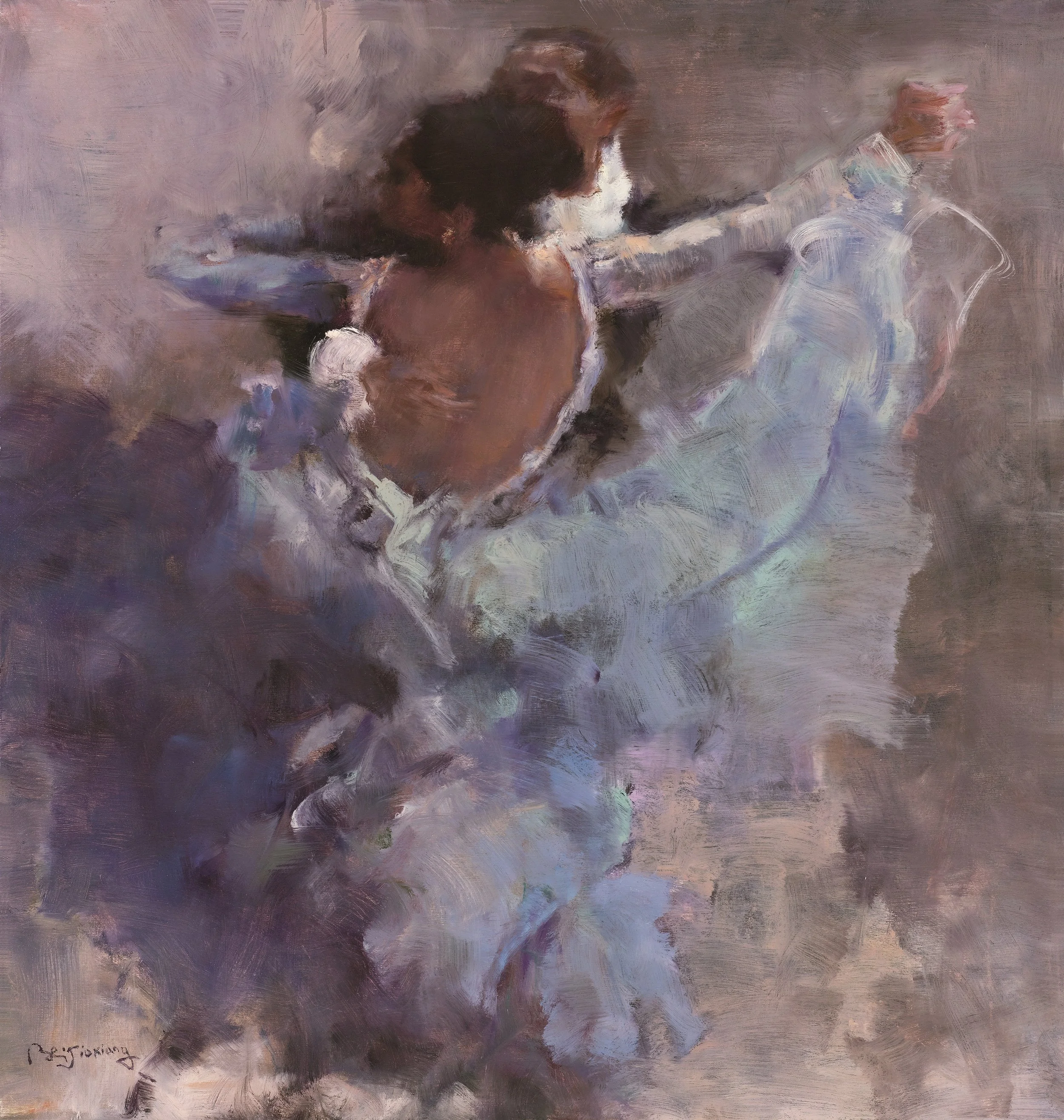
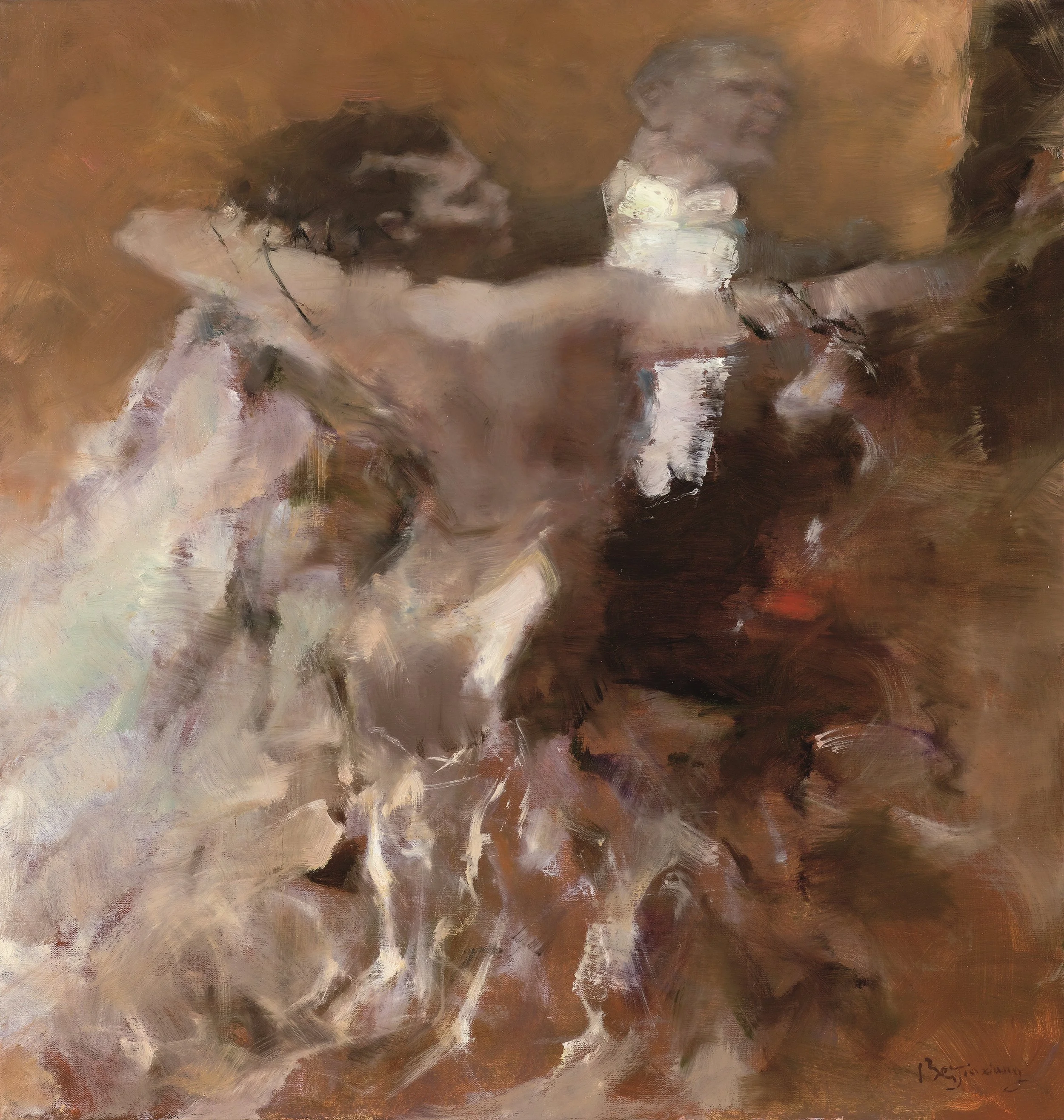
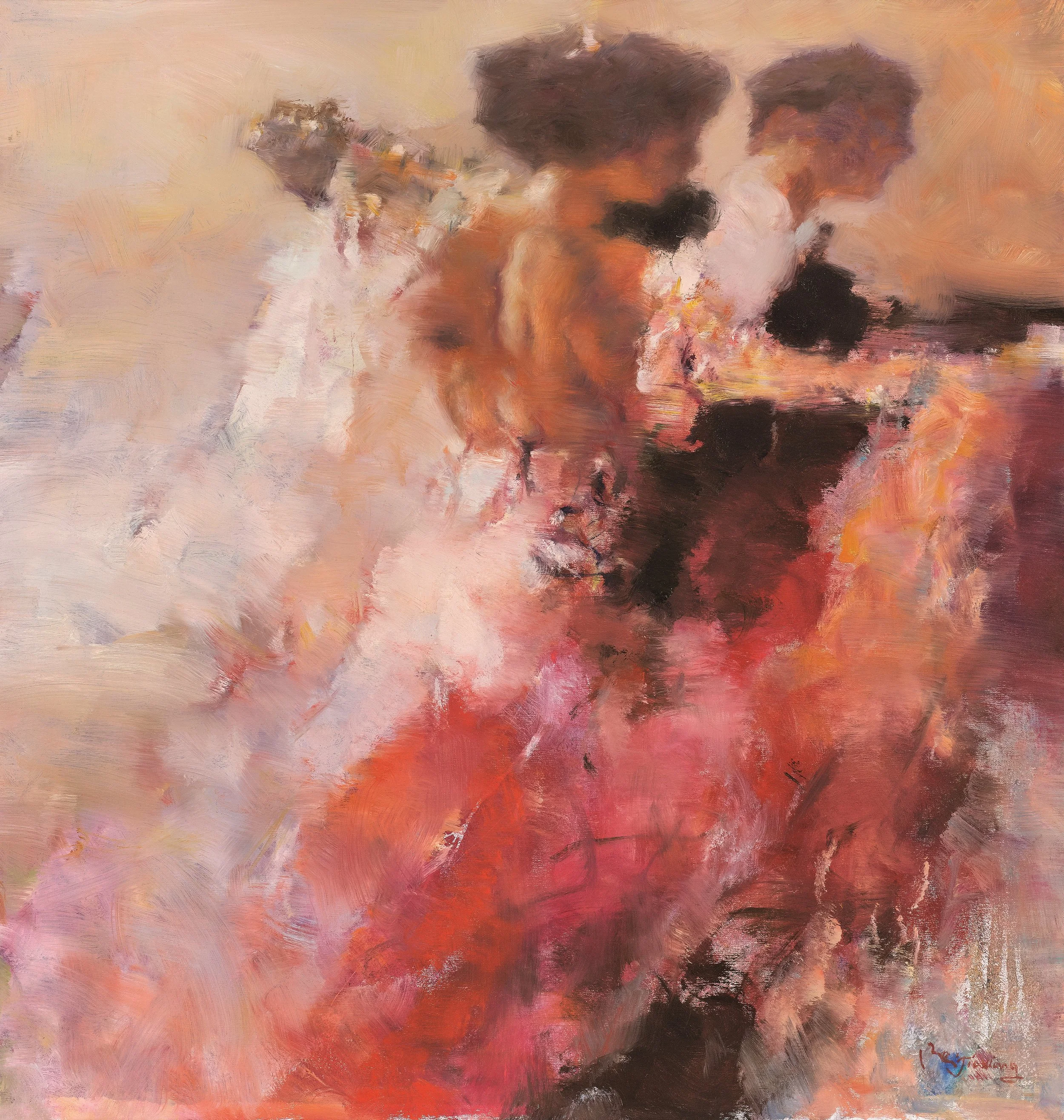
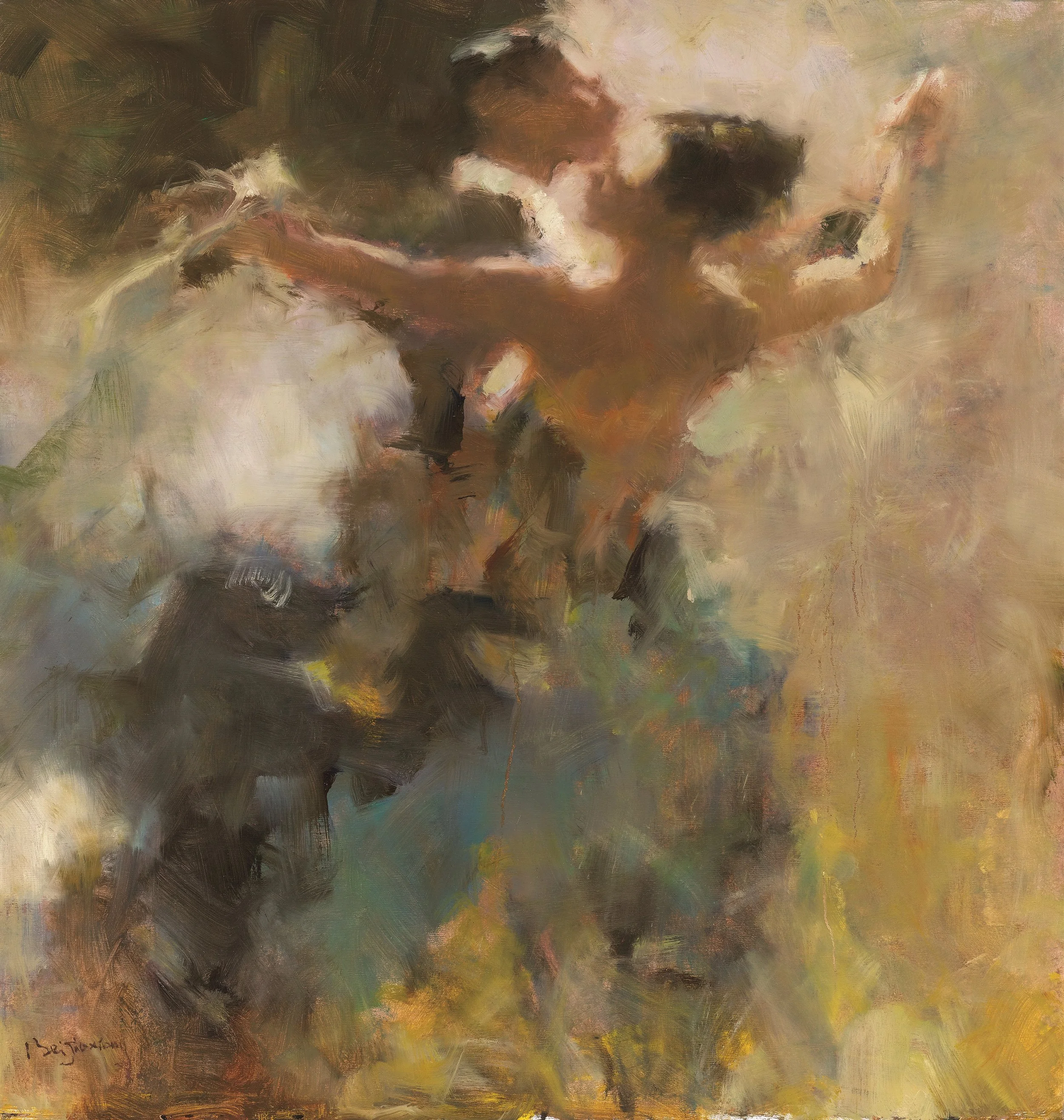
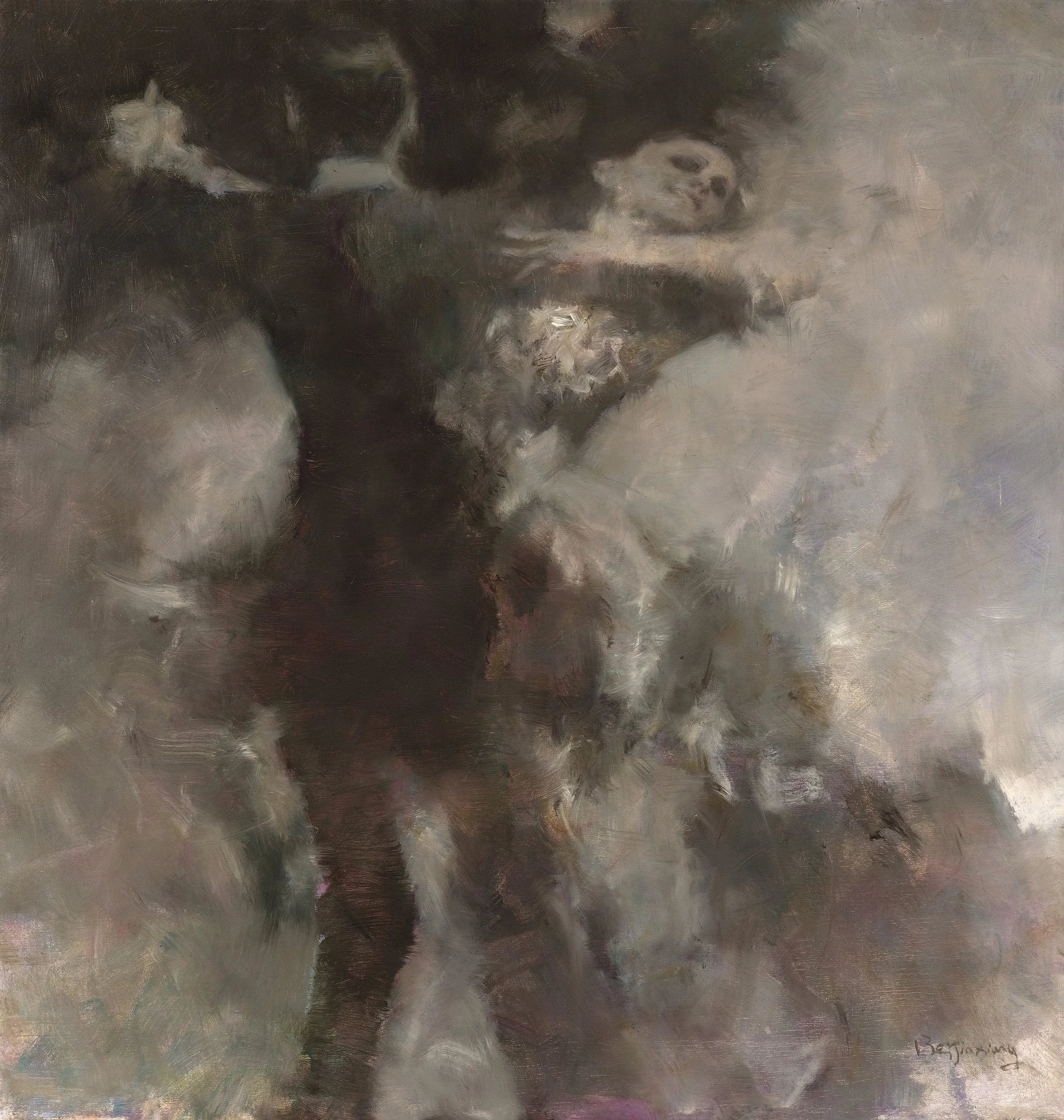
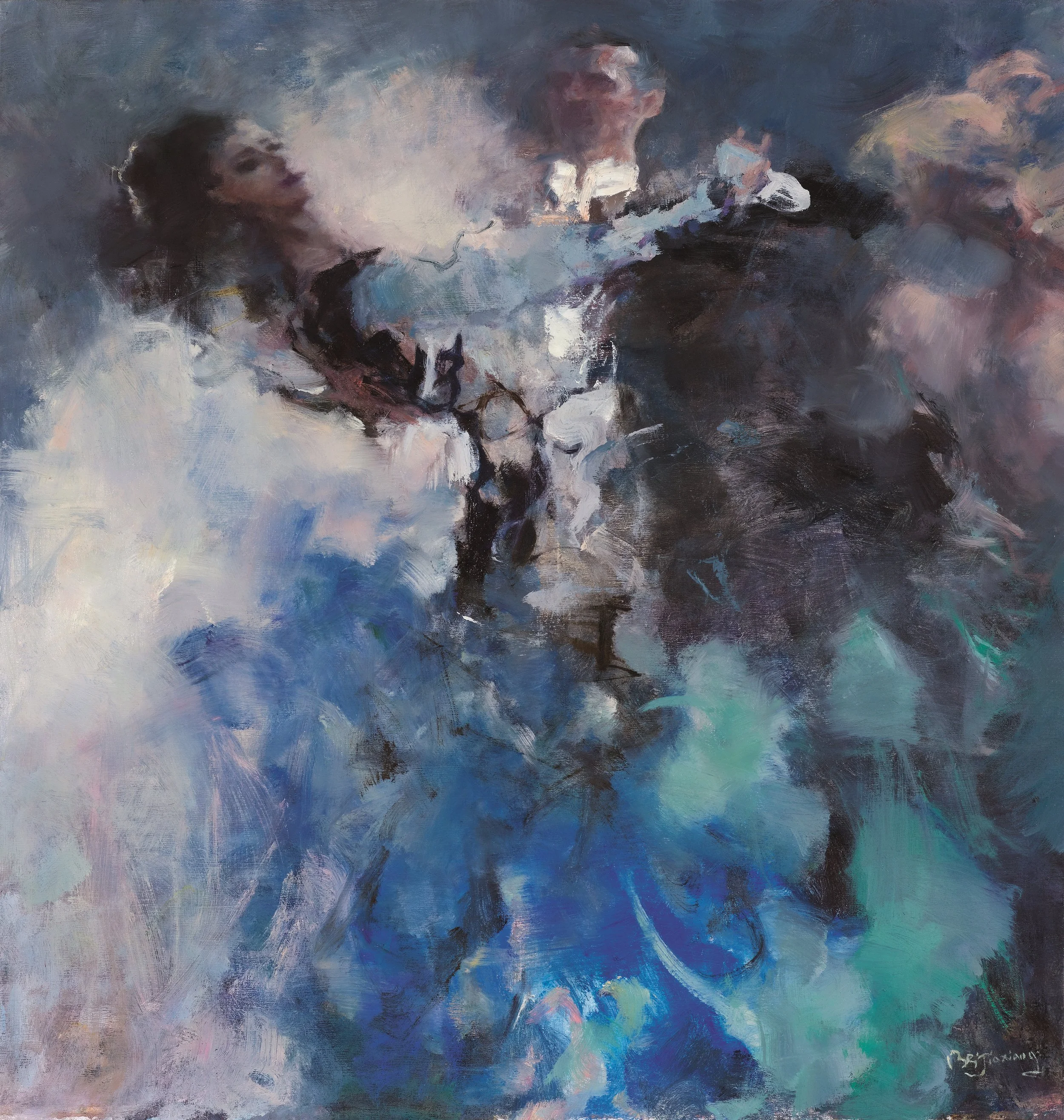
Complementary to the autonomy of brushstroke is BEI’s reconstruction of pictorial space. In the Rivertown series he decisively abandons the single viewpoint and static logic of Western linear perspective, instead drawing on the dispersed perspective of Chinese landscape painting and the modes described as “to go, to look, to roam, to dwell.” Houses, arched bridges, and flowing water in these works are not arranged according to rigid geometric perspective but are adjusted and reconstituted according to psychological feeling and poetic logic, producing an imagistic space composed of multiple viewpoints and layered time spaces. This space is no longer a slice of the objective world but a “psychic field” that fuses memory, imagination, and present experience. The viewer’s gaze wanders and penetrates freely, completing an immersive spiritual journey and effecting a shift from “visual truth” to “felt truth.”
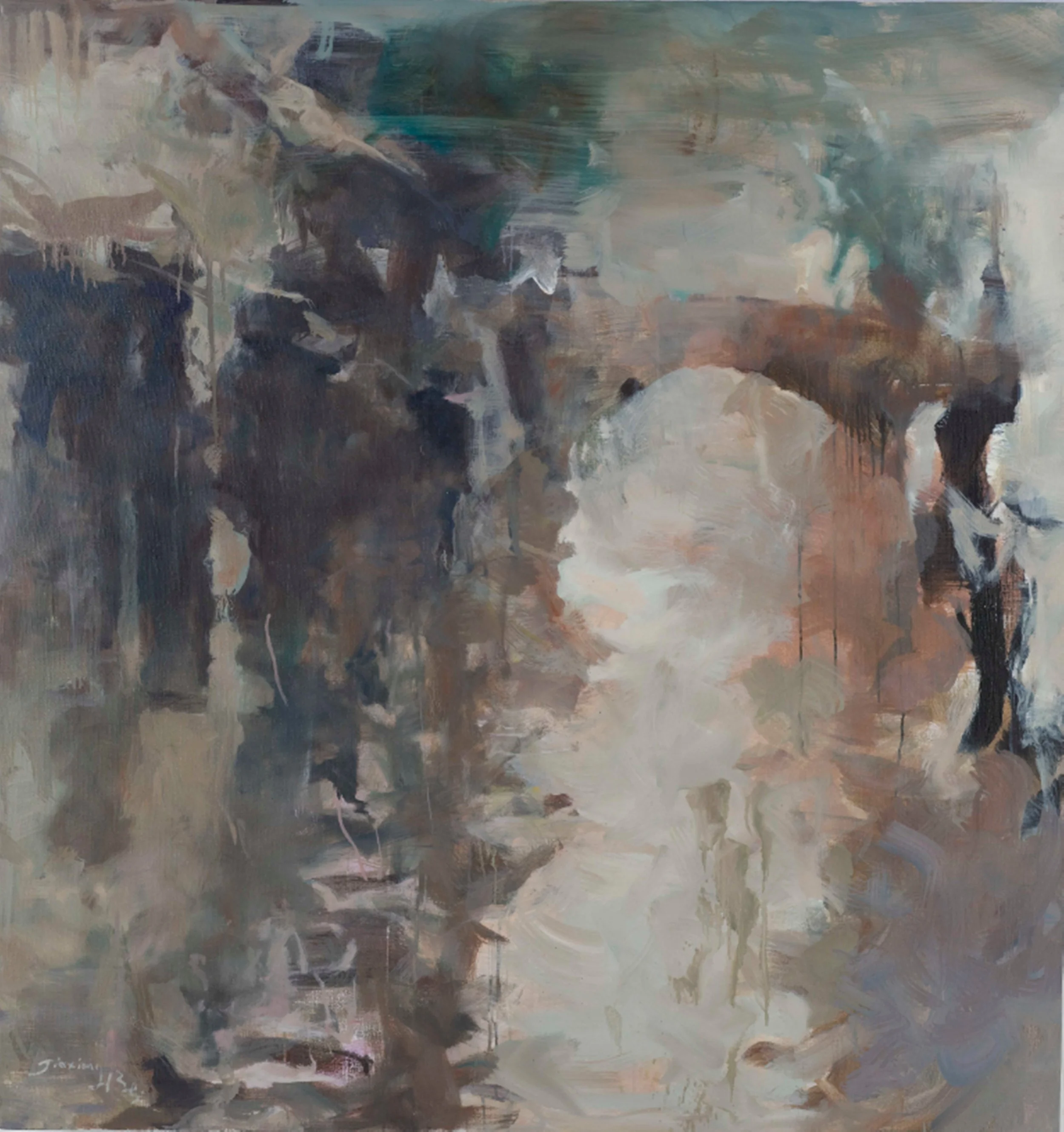
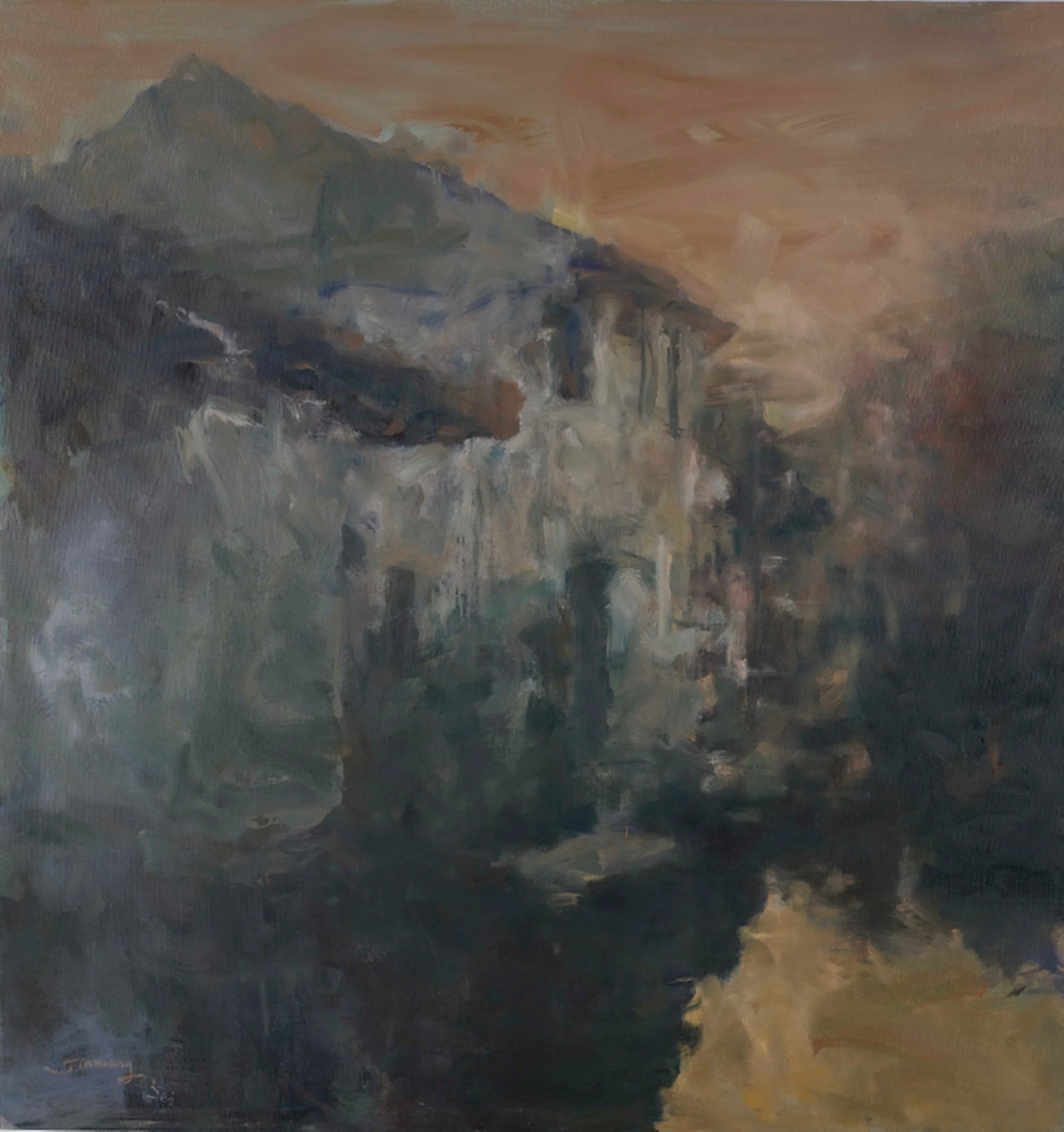
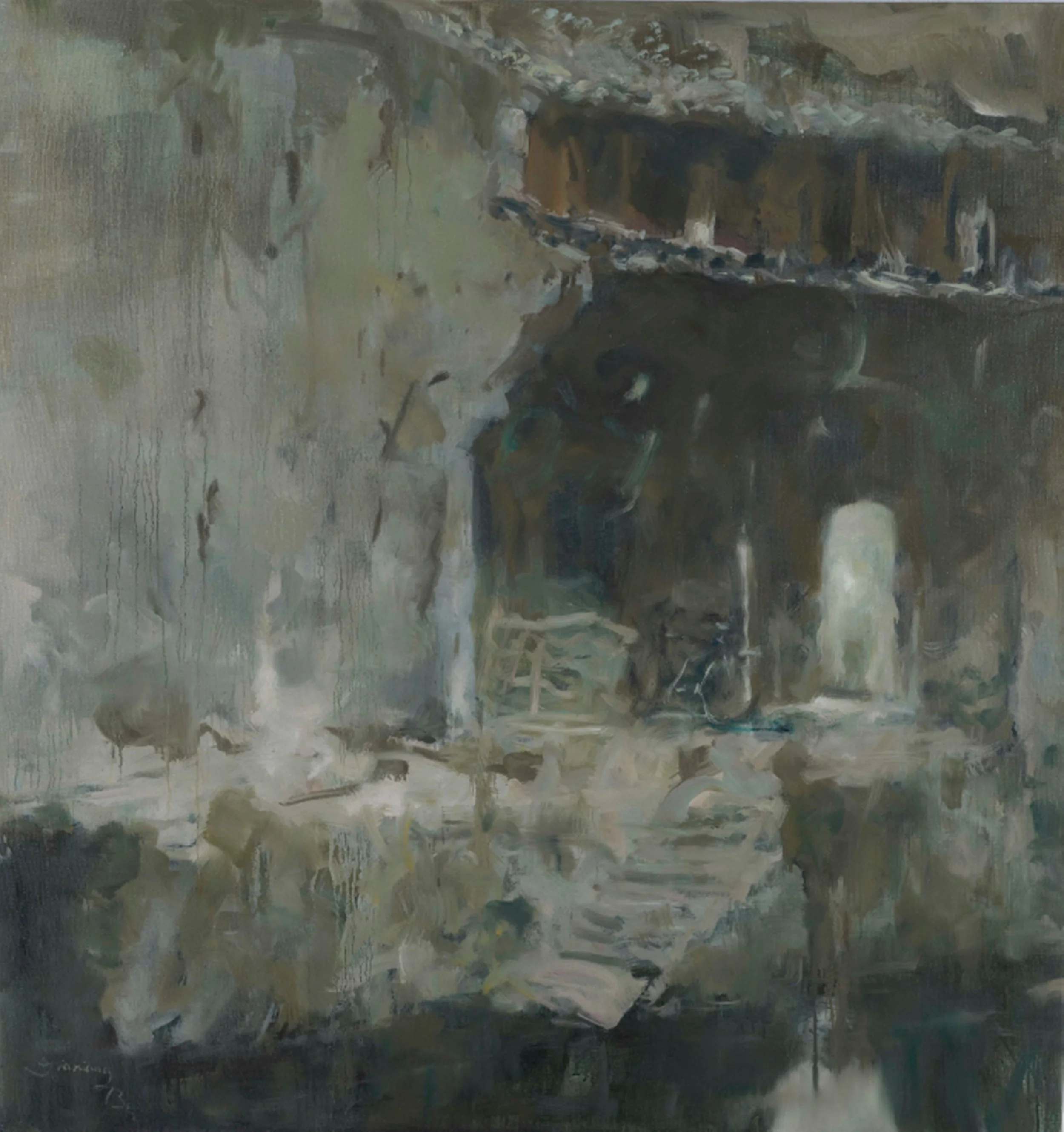
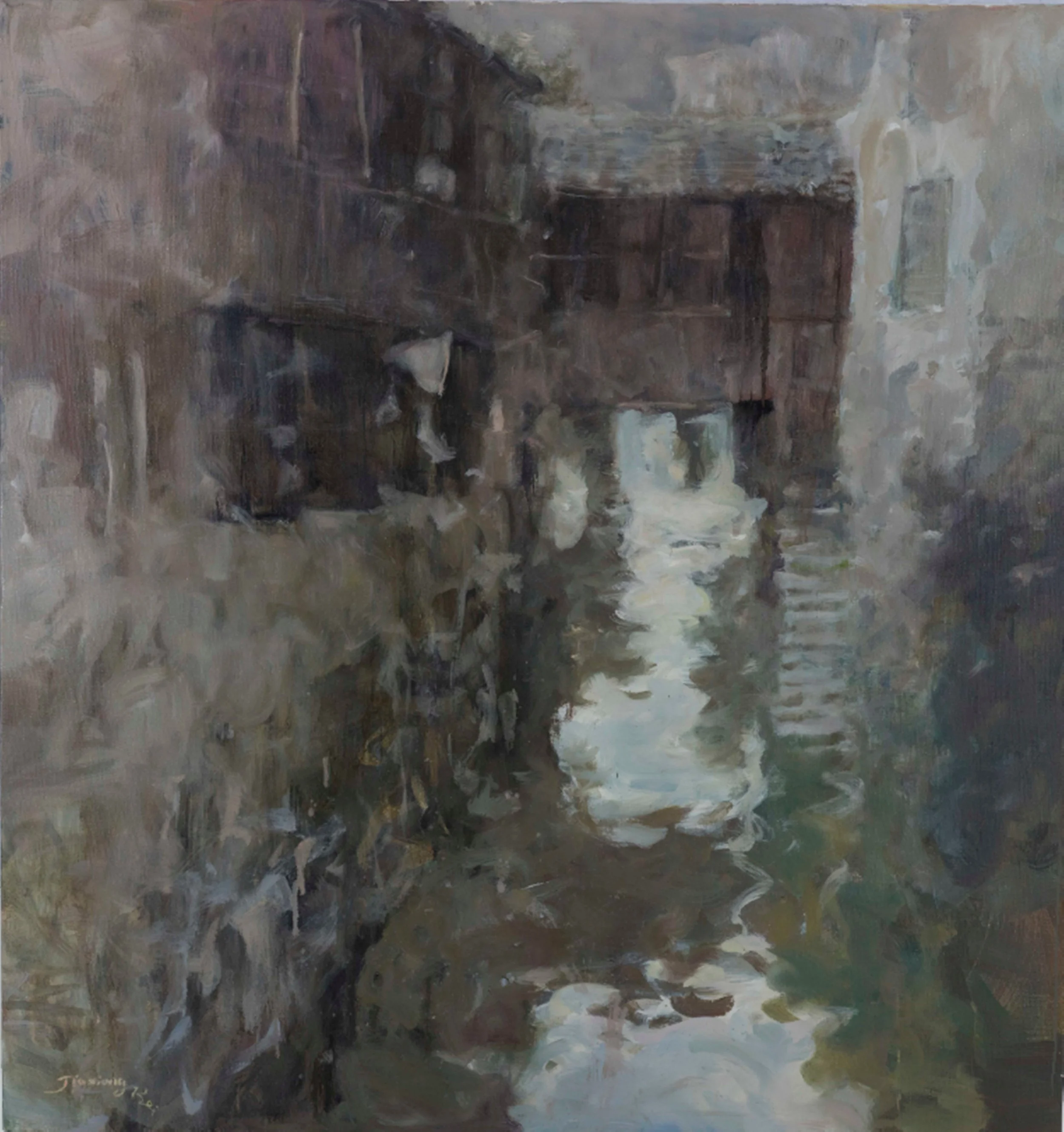
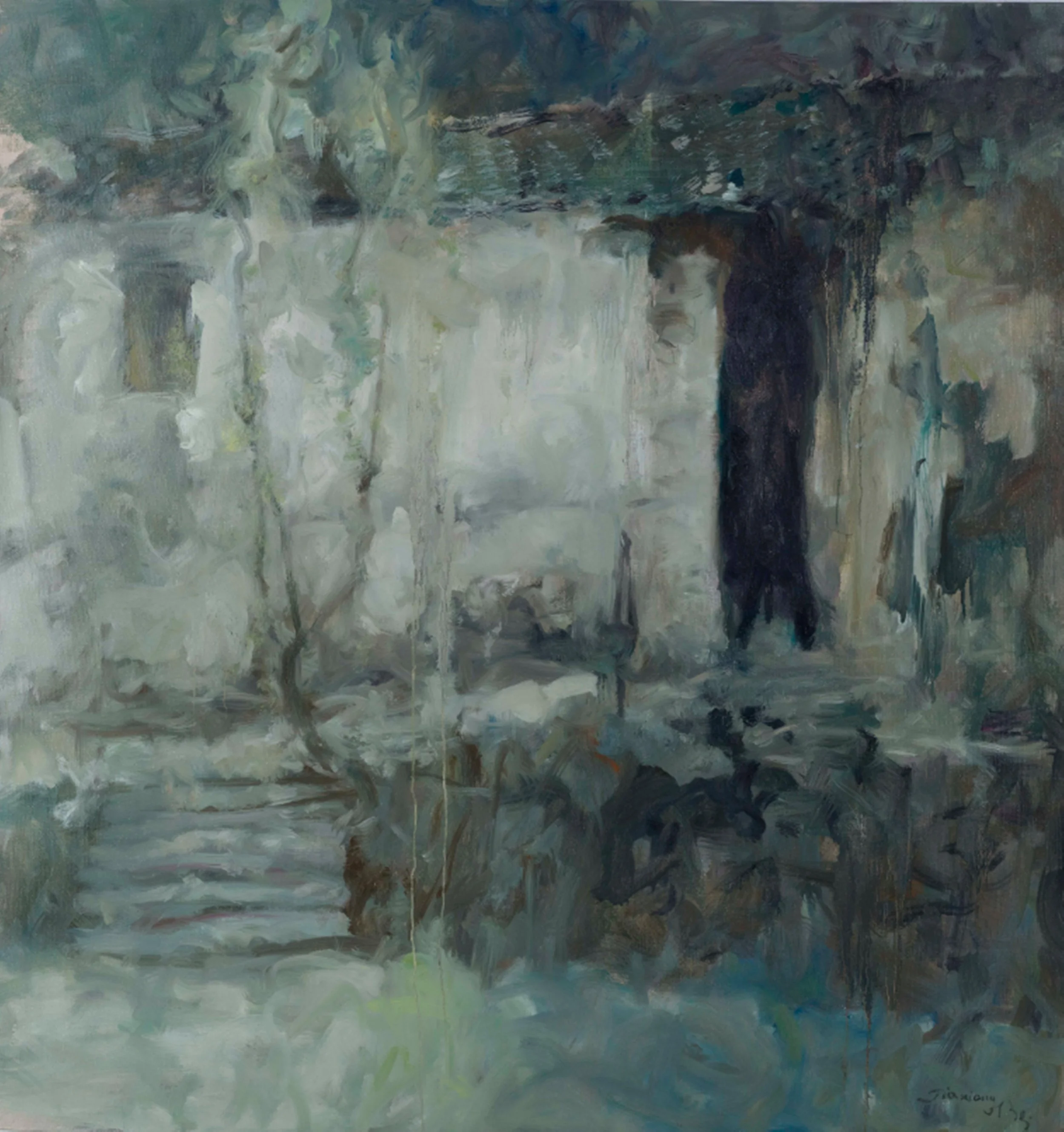
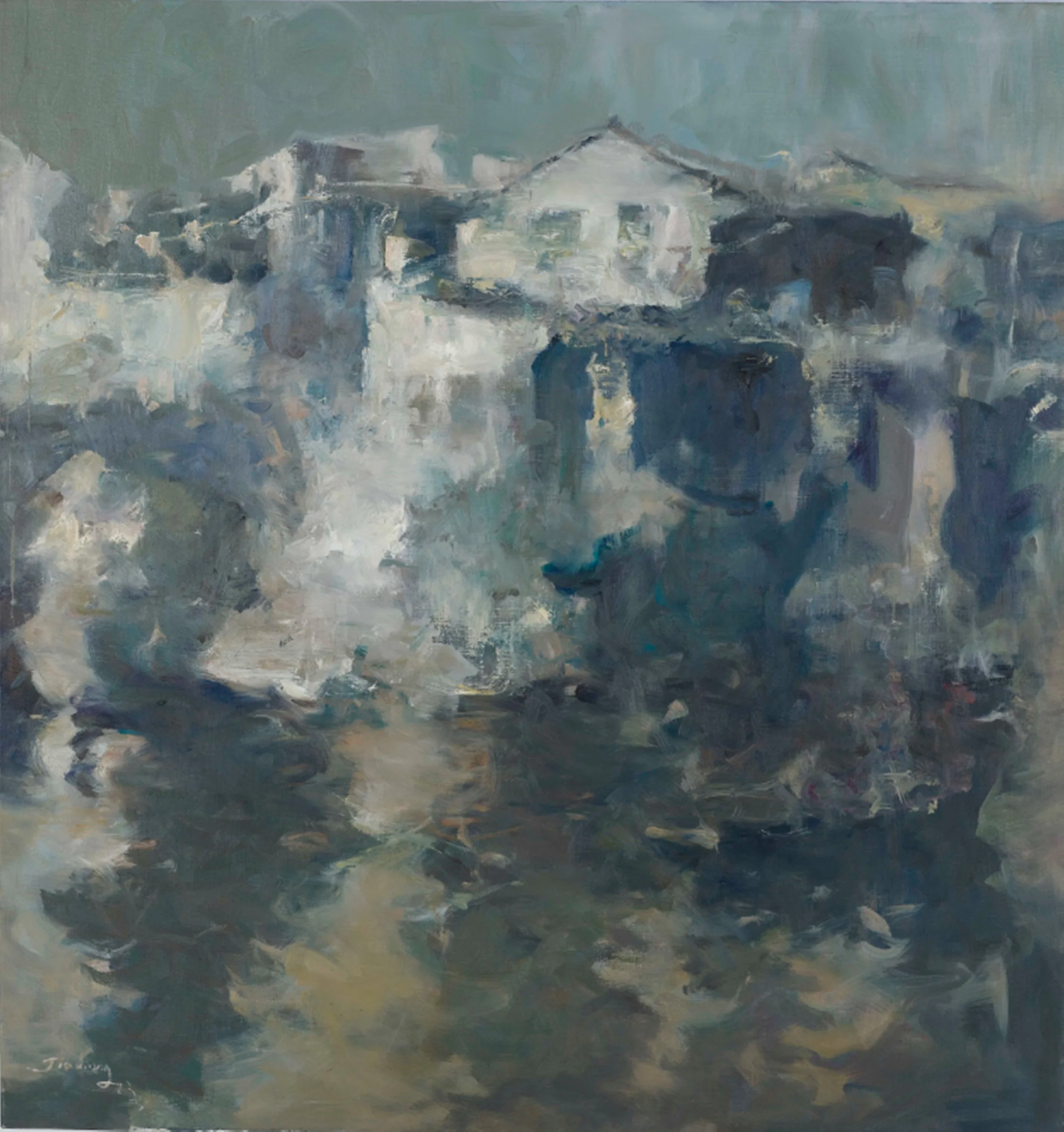
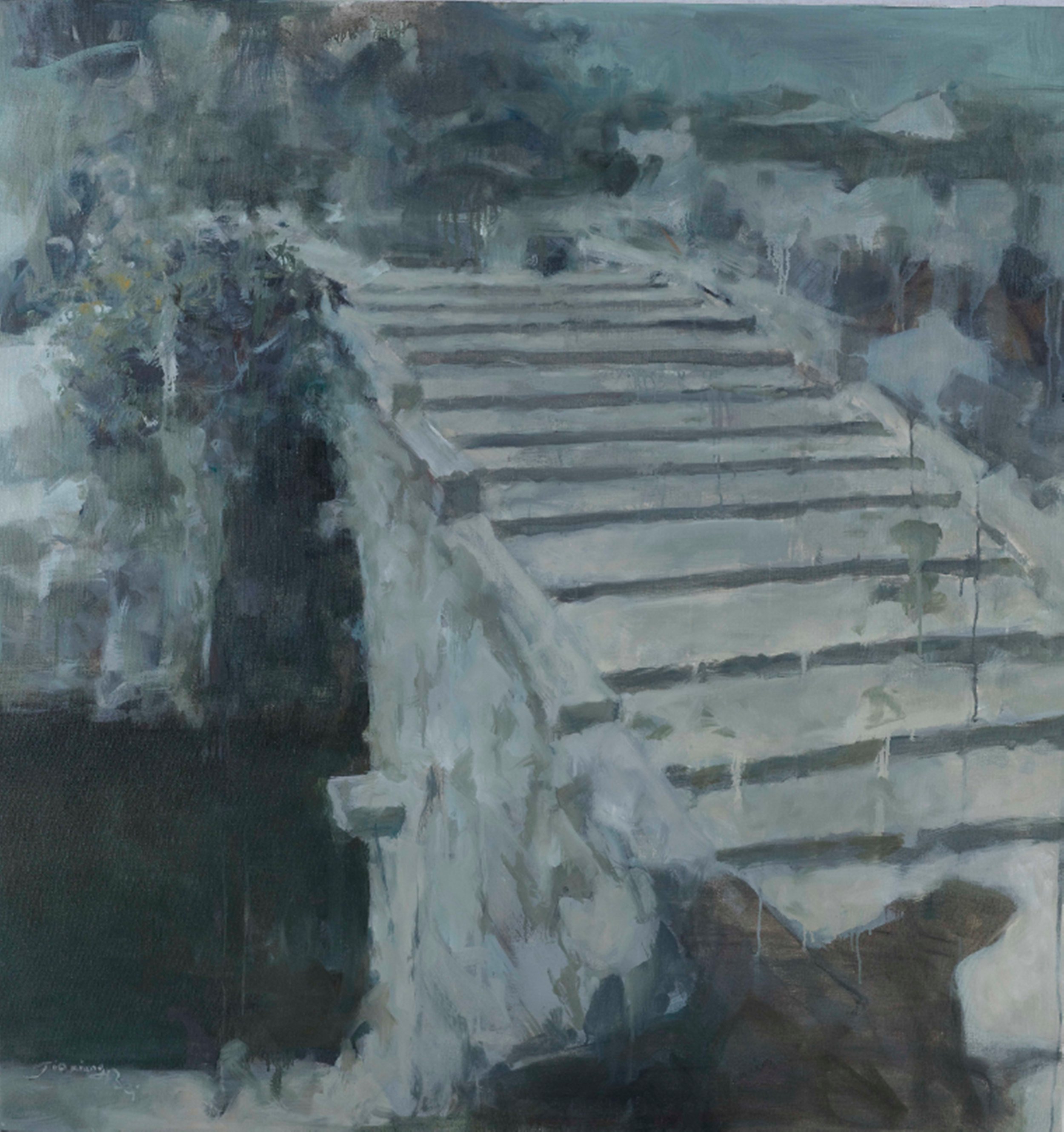
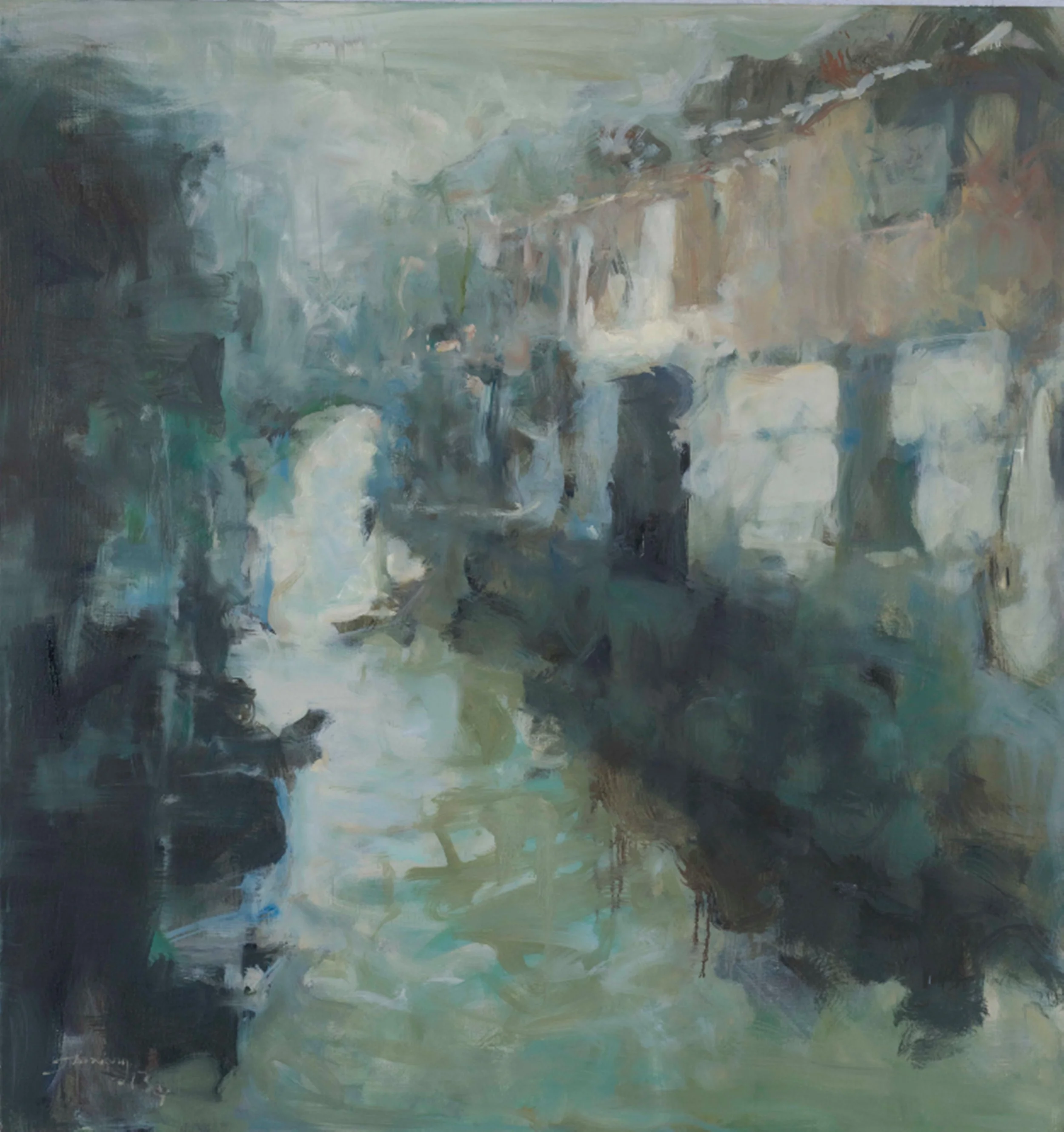
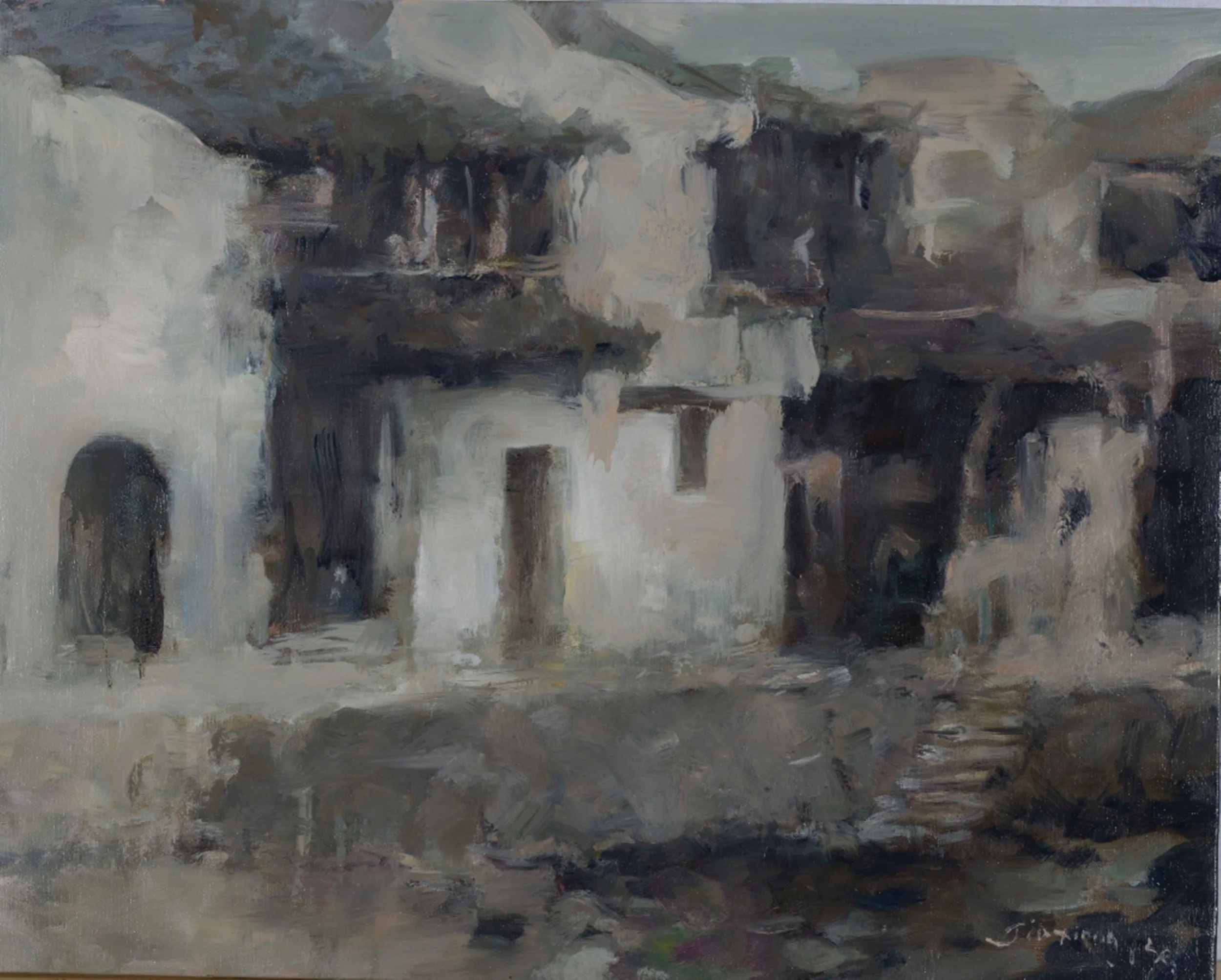
From the refinement of form and the transformation of color to the liberation of brushwork and the reconstruction of space, BEI Jiaxiang, through this chain of interlocking and mutually reinforcing formal inquiries, gradually constructs a highly personalized and deeply rooted imagery system. This system is not a static stylistic label but a continually evolving, deepening dynamic process that clearly maps the dialectical trajectory of his career: from solid figurative practice toward a freer, more concentrated imagistic exploration.