
Gallop and Contemplation: The Artistic Evolution of BEI Jiaxiang’s Equine Themes
BEI Jiaxiang’s horses are always running—charging from different directions, vanishing into new horizons. The transformation of these steeds over time traces the profound evolution of BEI’s conceptual vision across a decade.
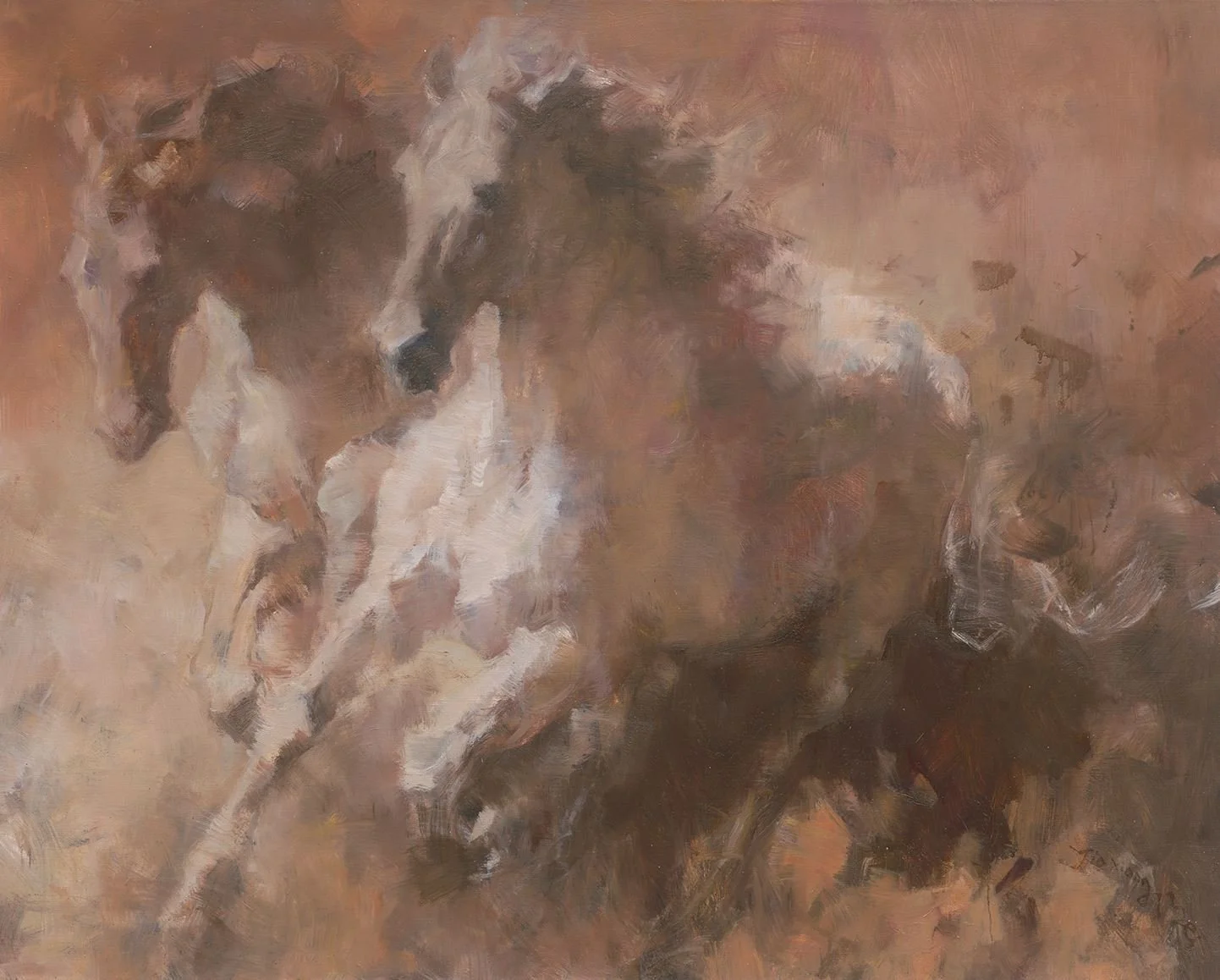
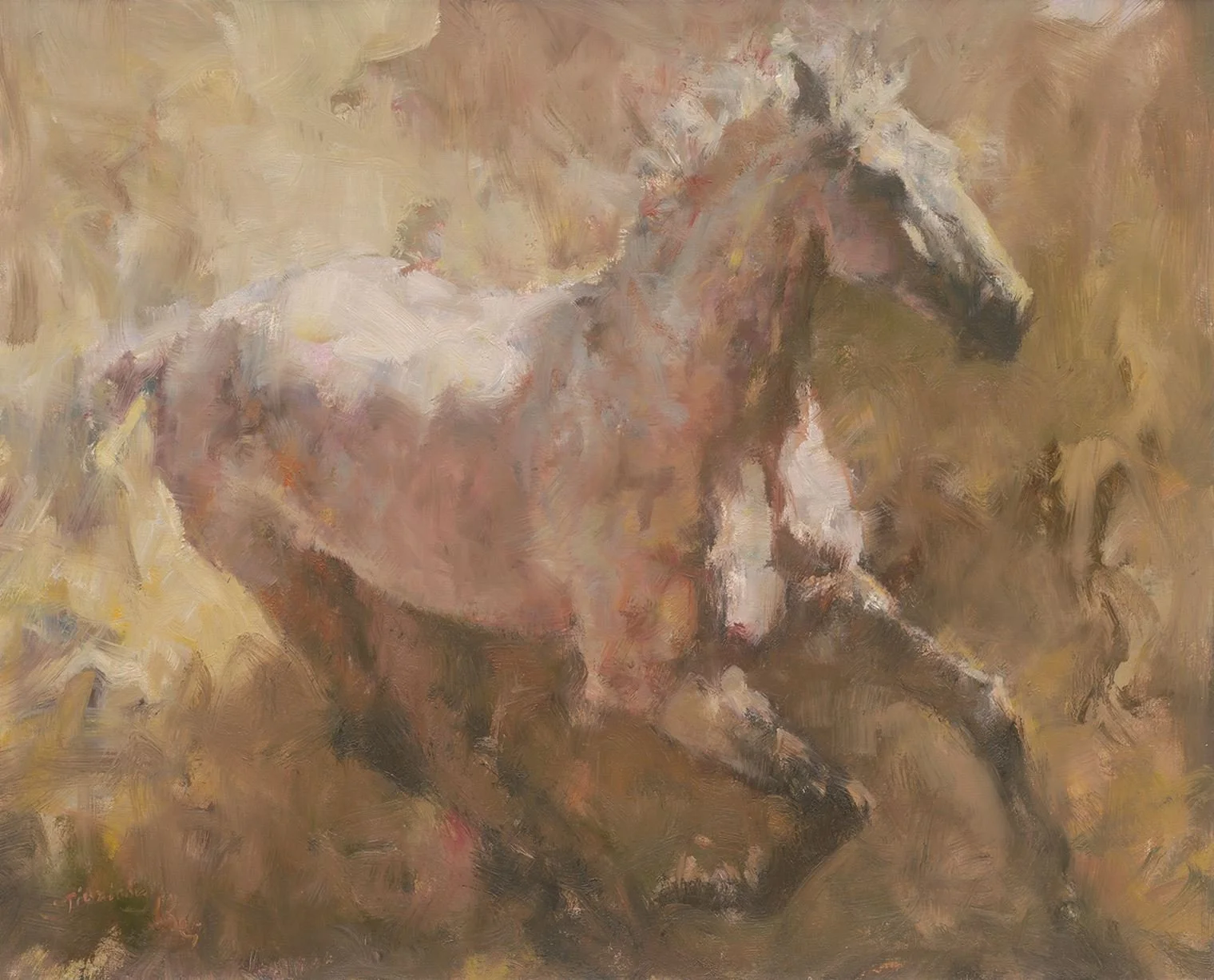
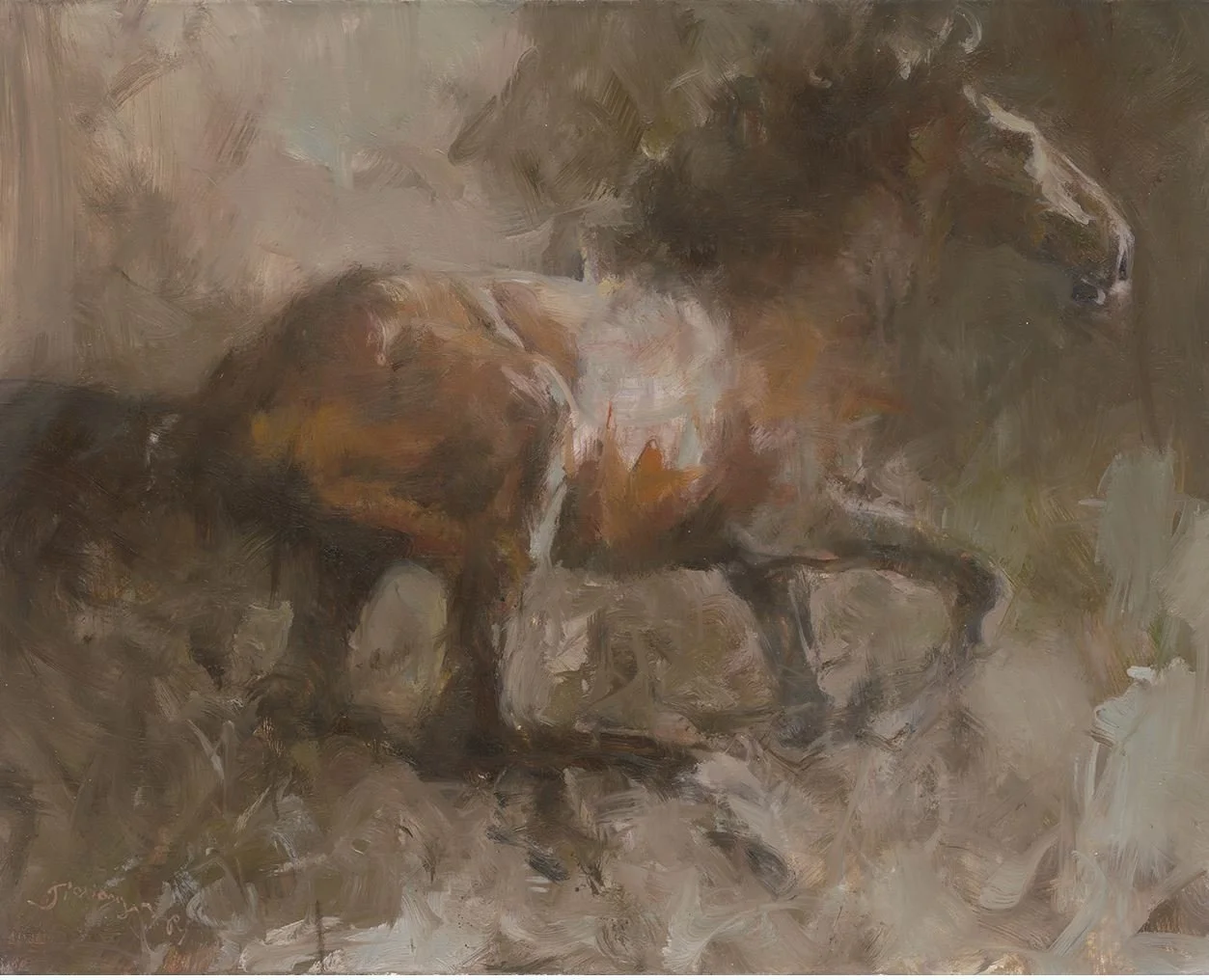
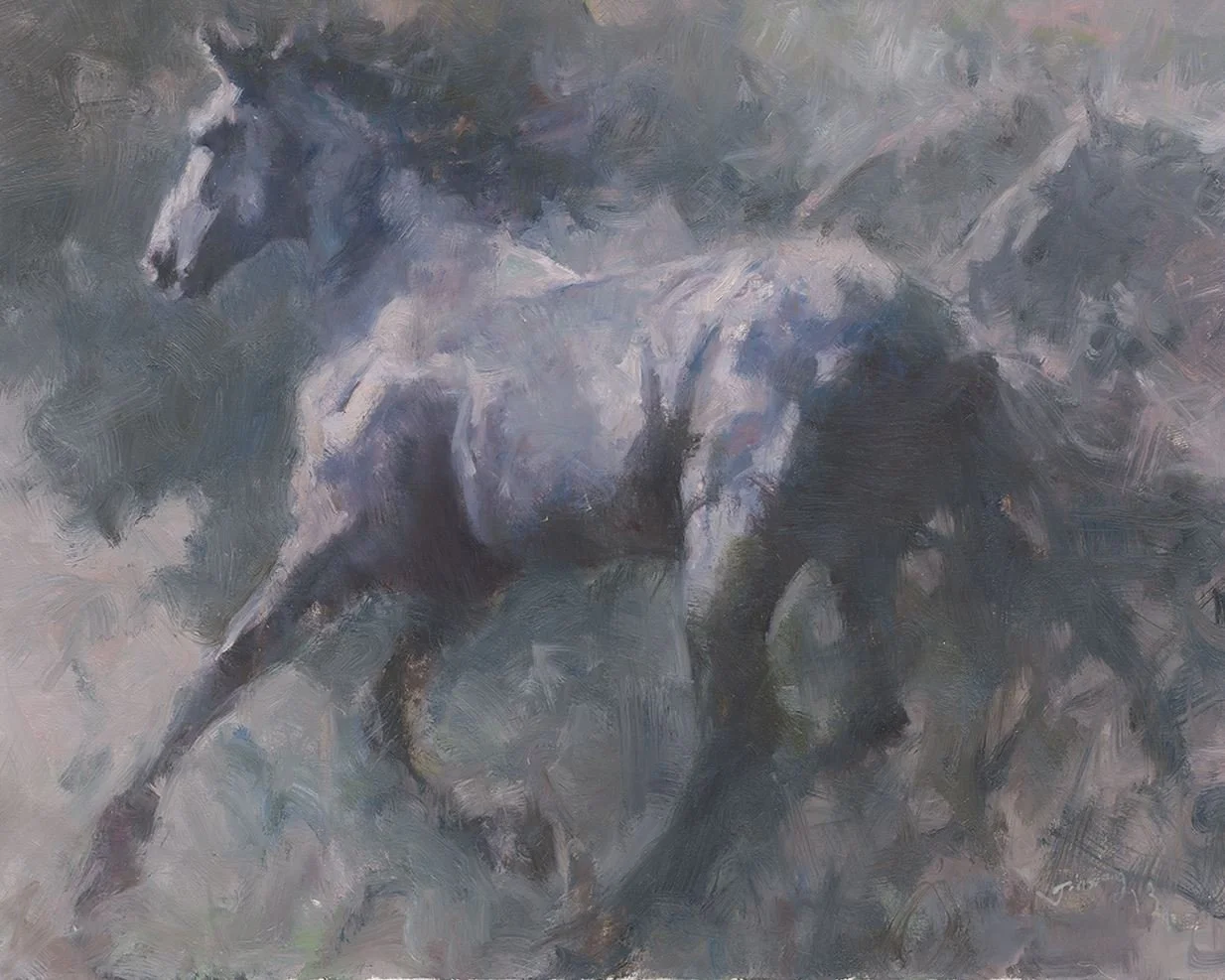
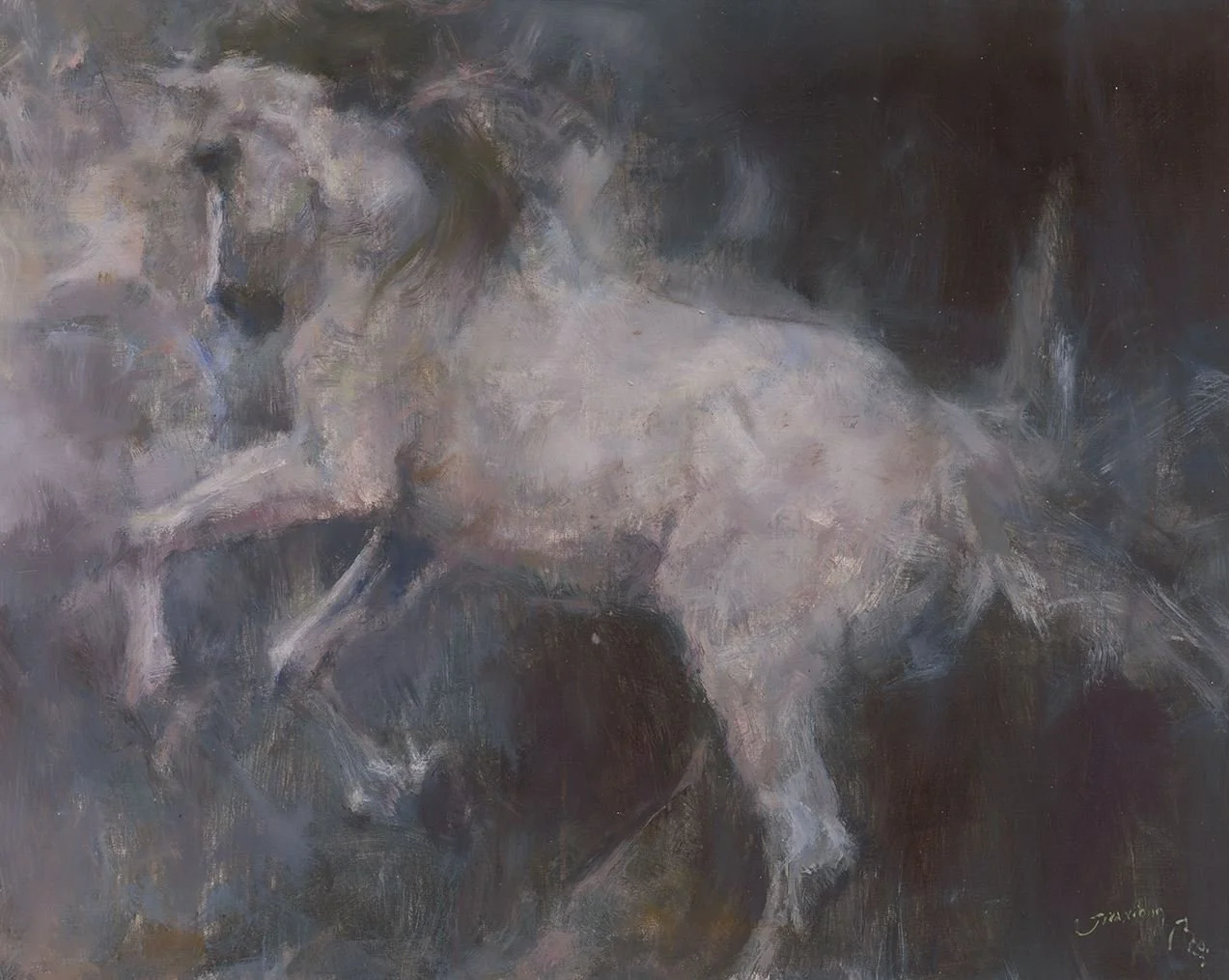
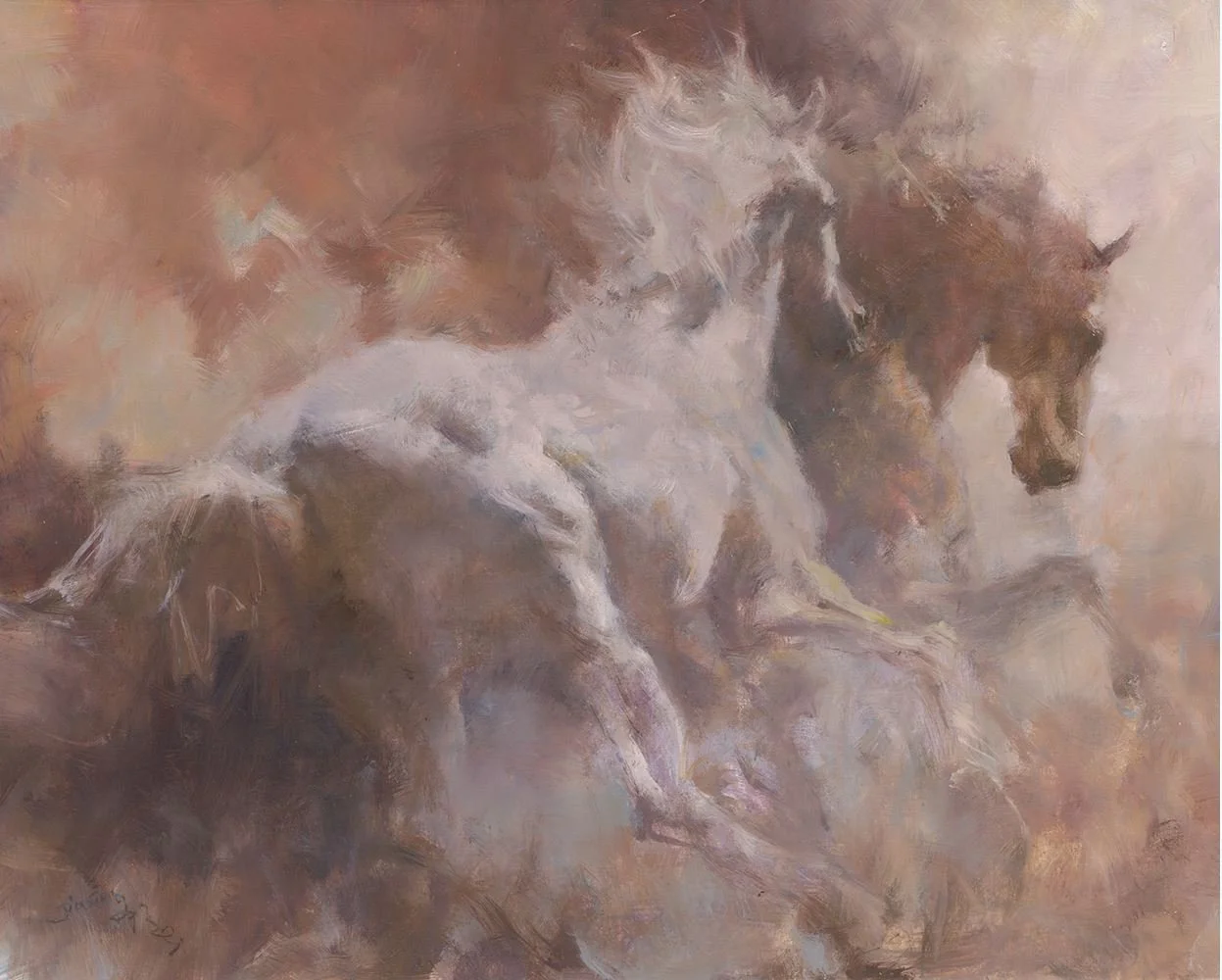
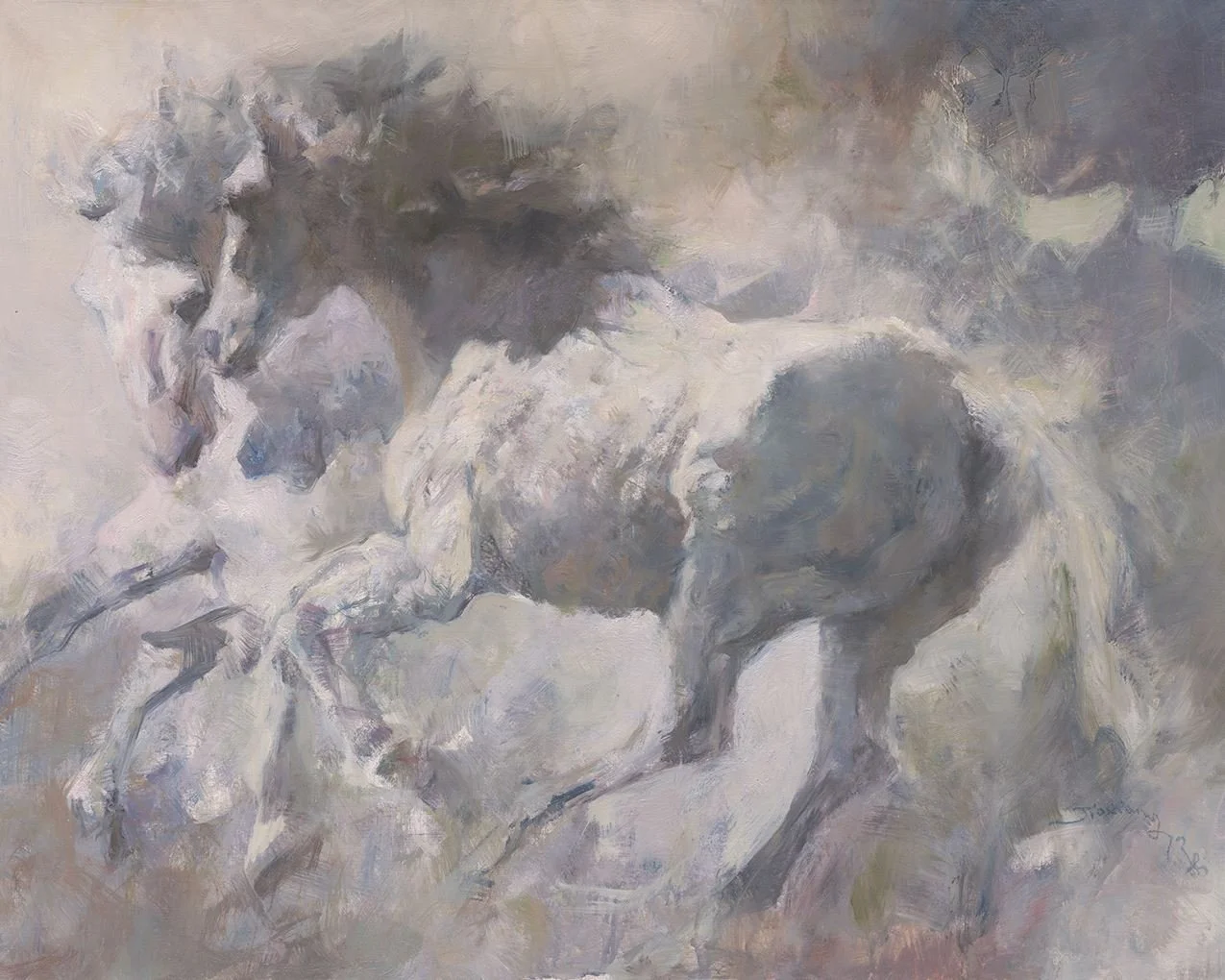
In 2017, the Horse Whispers series offered an undeniable visual feast. Horses leapt across the canvas, muscles tightening, manes whipping, hooves churning dust into the air. The scrape of the palette knife left rugged, textured stroke, silver-white and ochre forms interlaced with swirling smoke. Here, the horses were tangible, fleshy, and fiercely alive: every sinew spoke of power, every play of light sculpted their nobility.
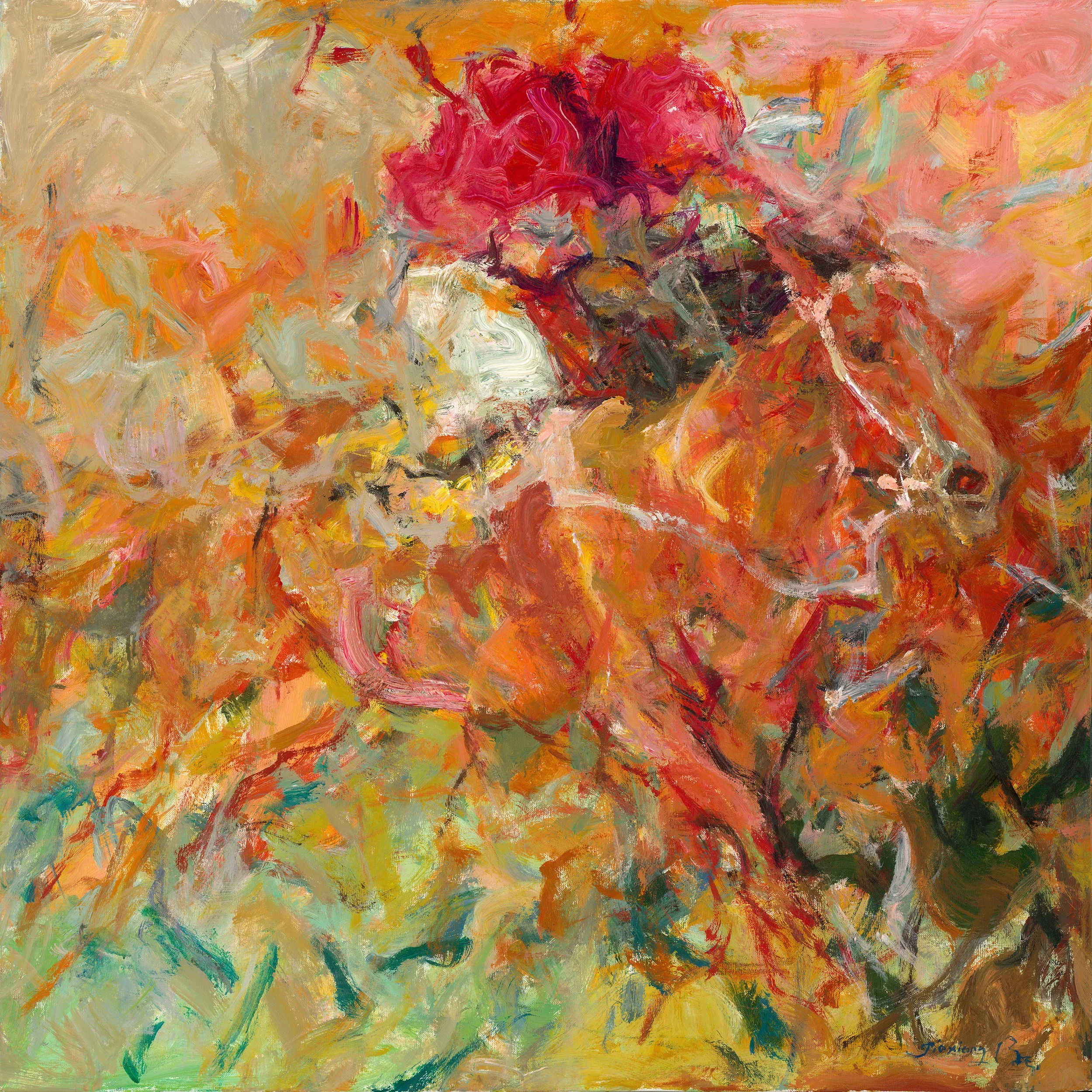
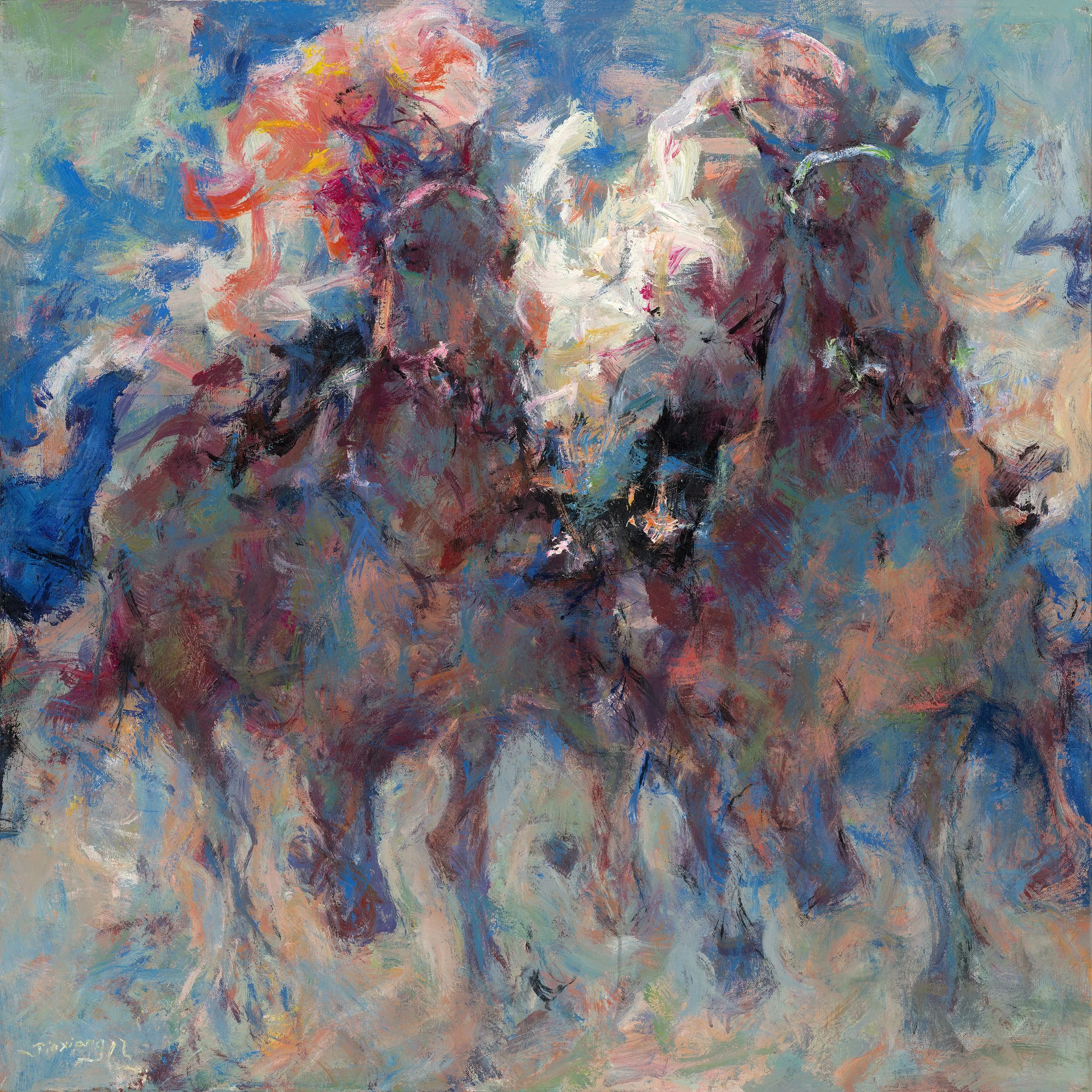
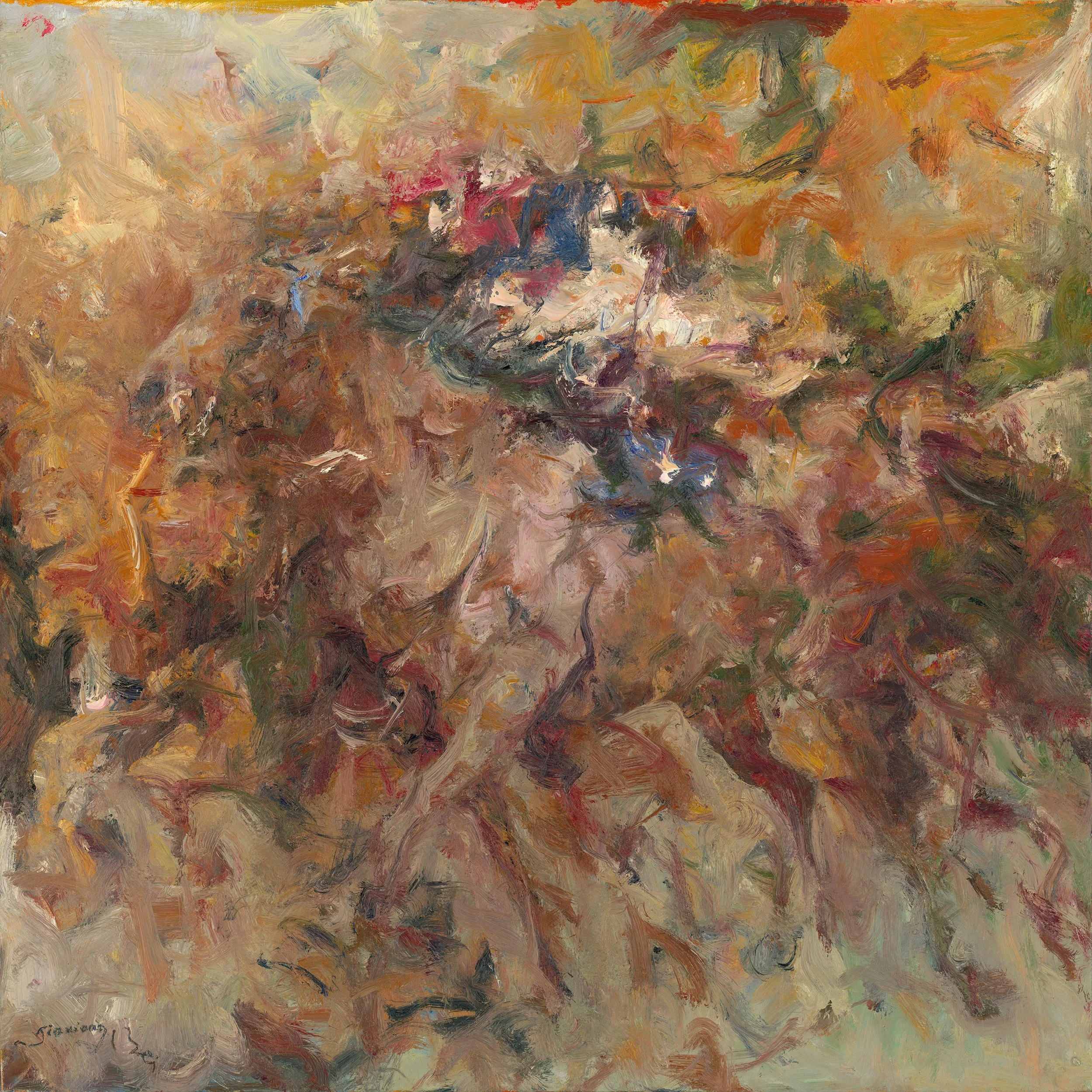
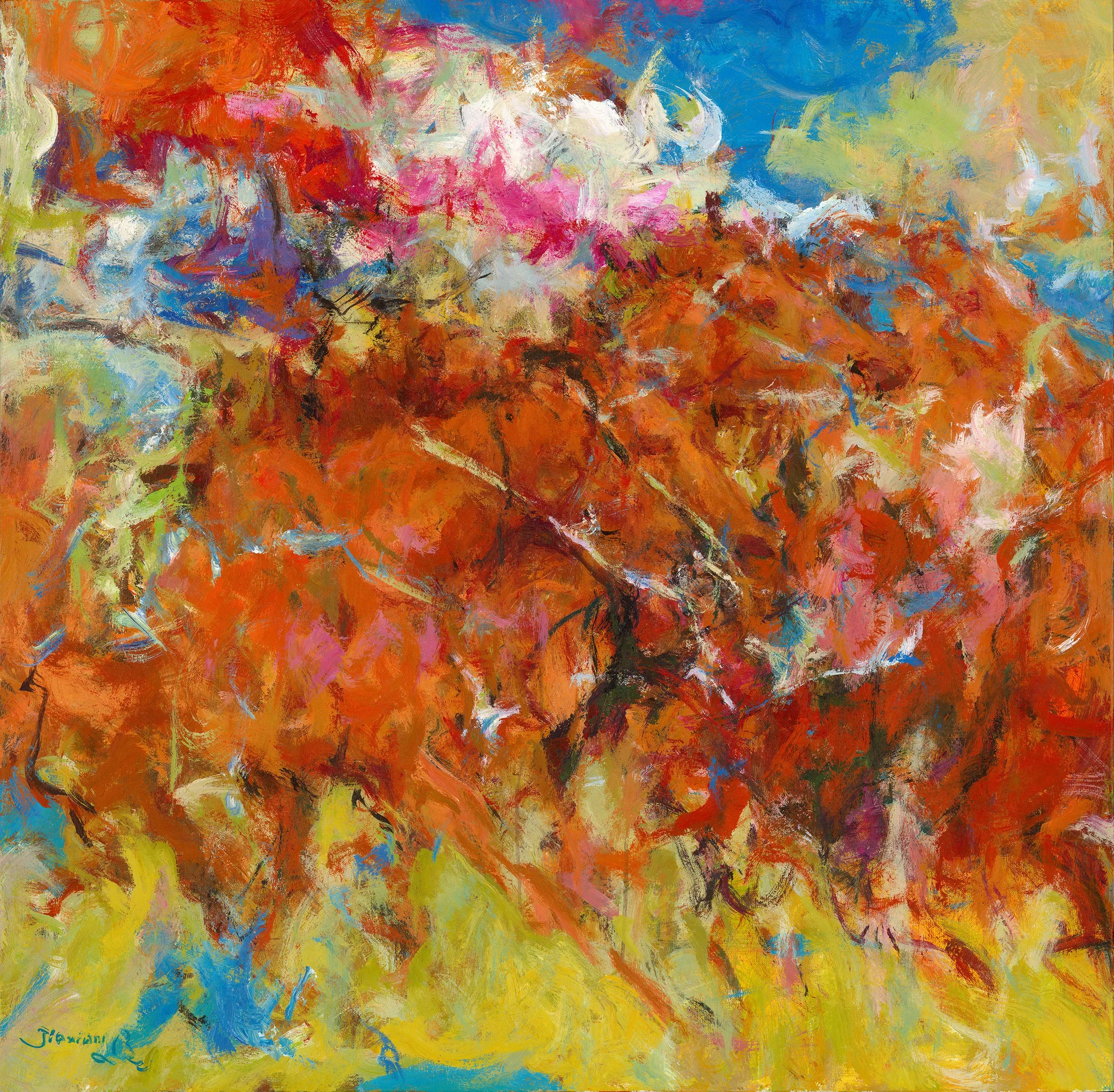
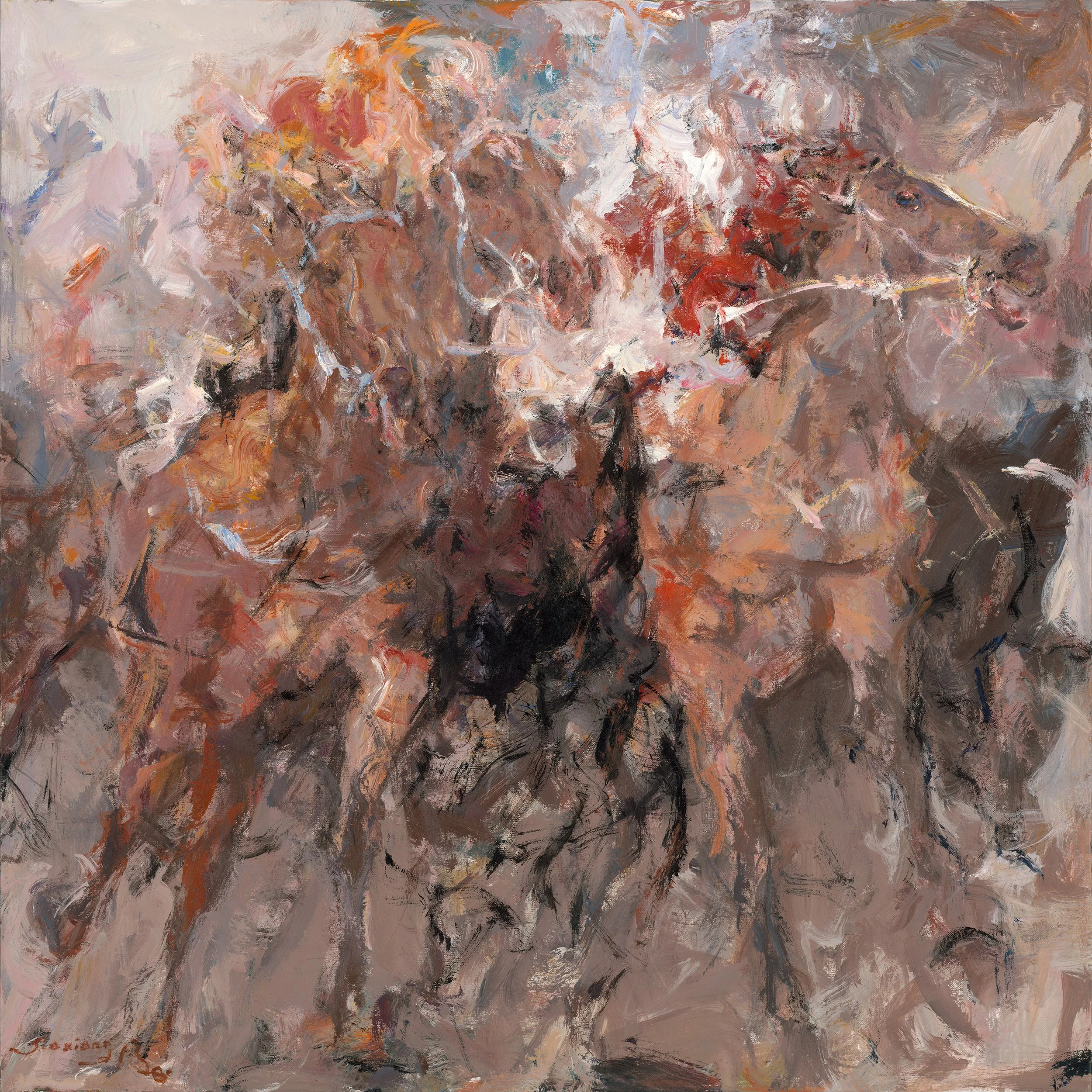
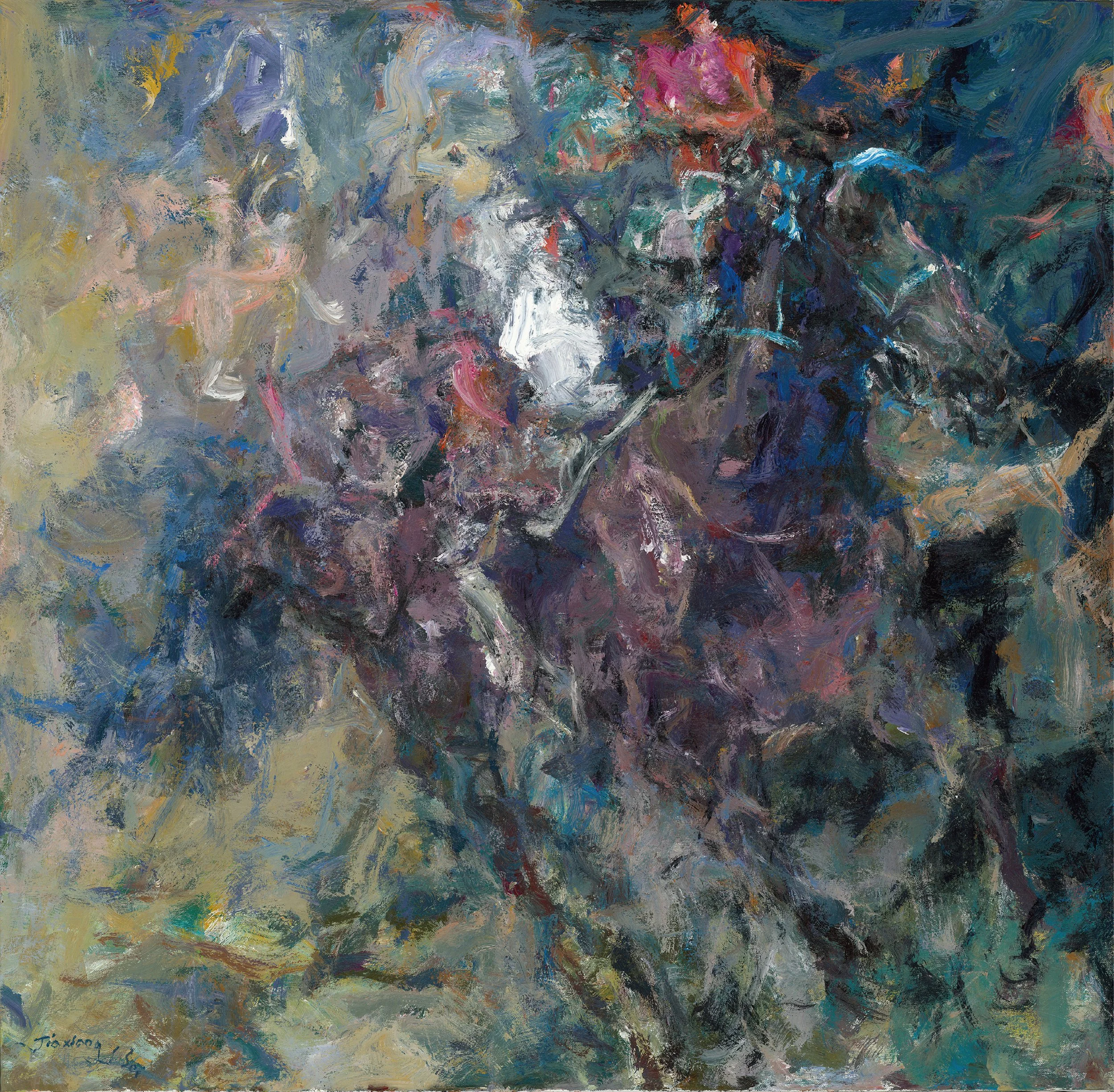
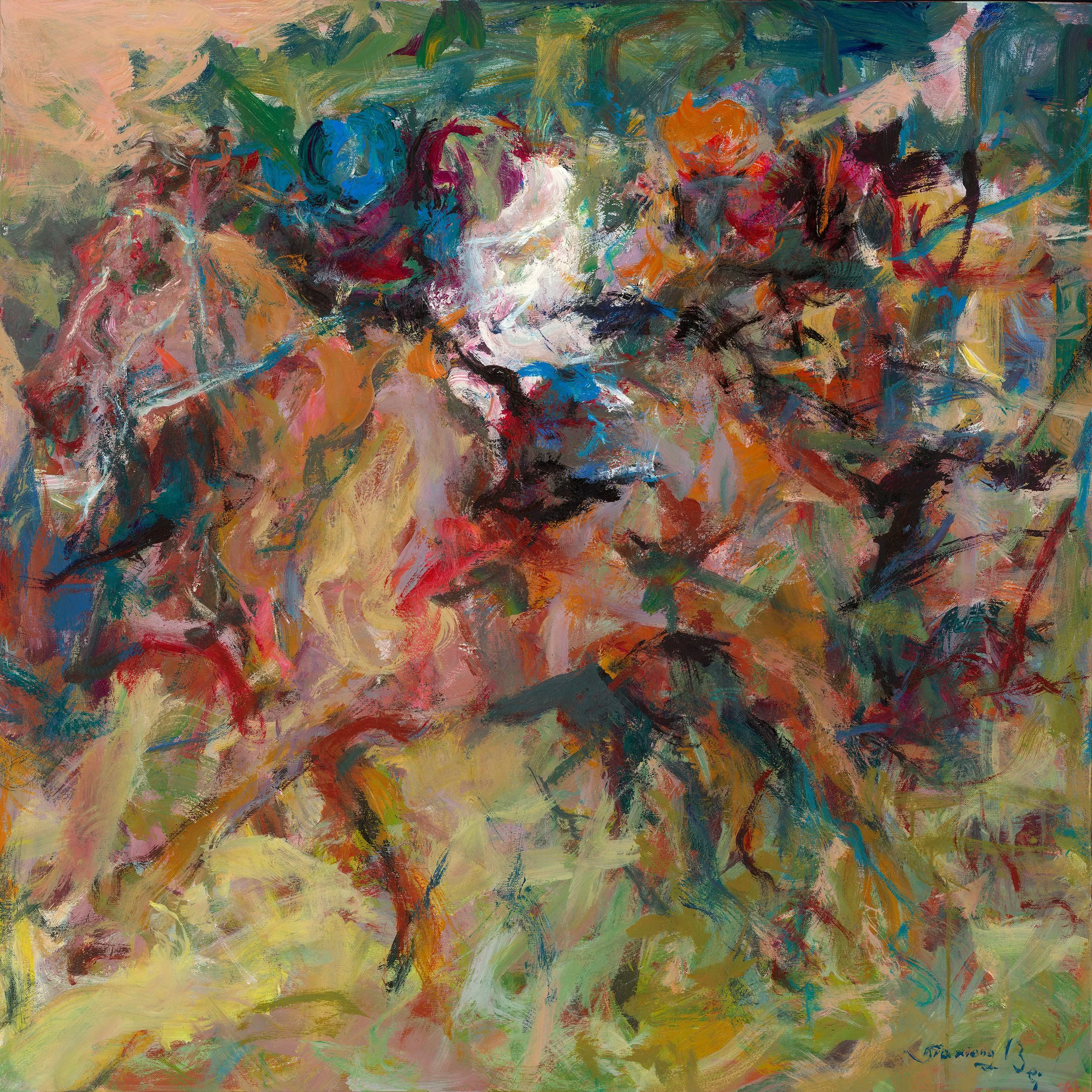
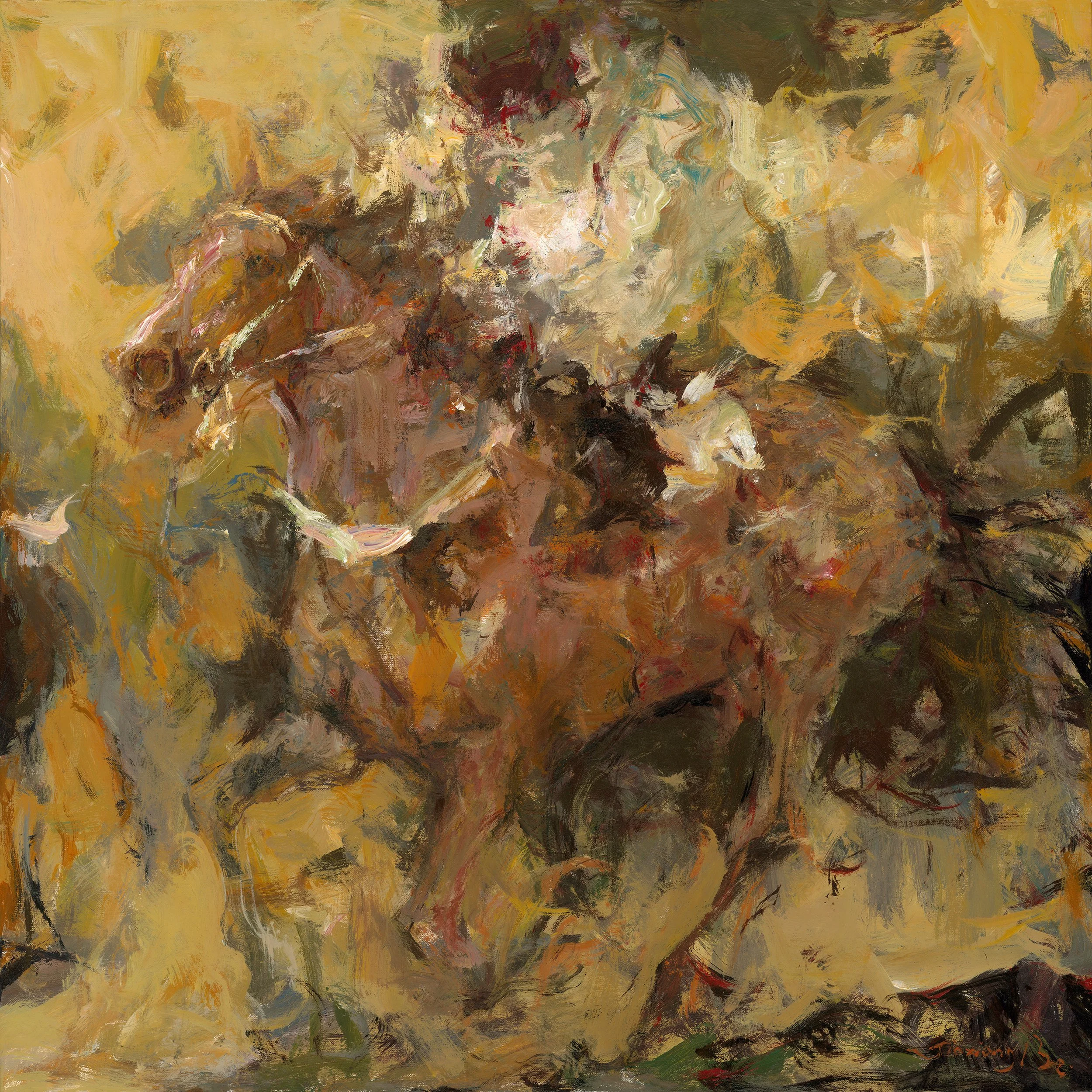
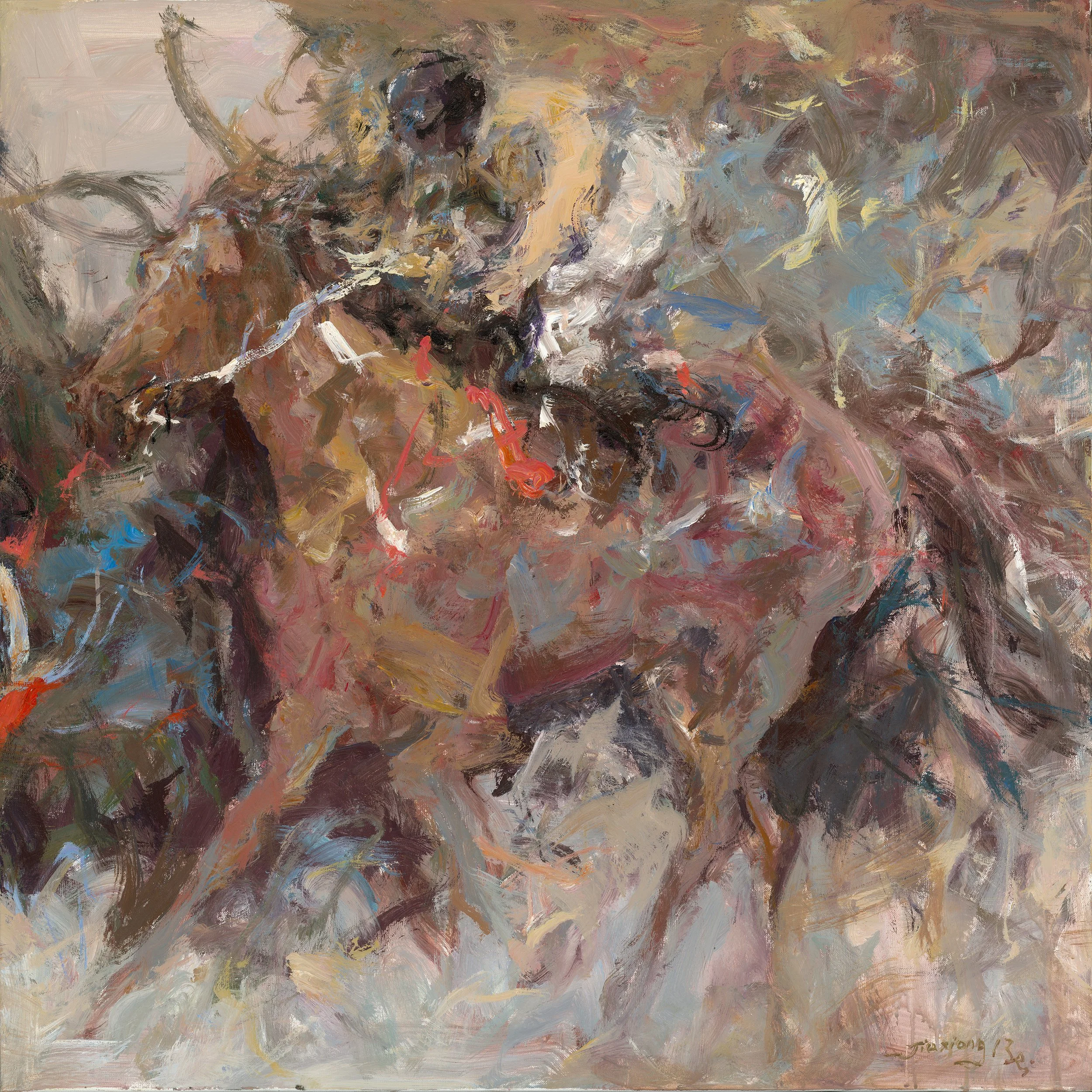
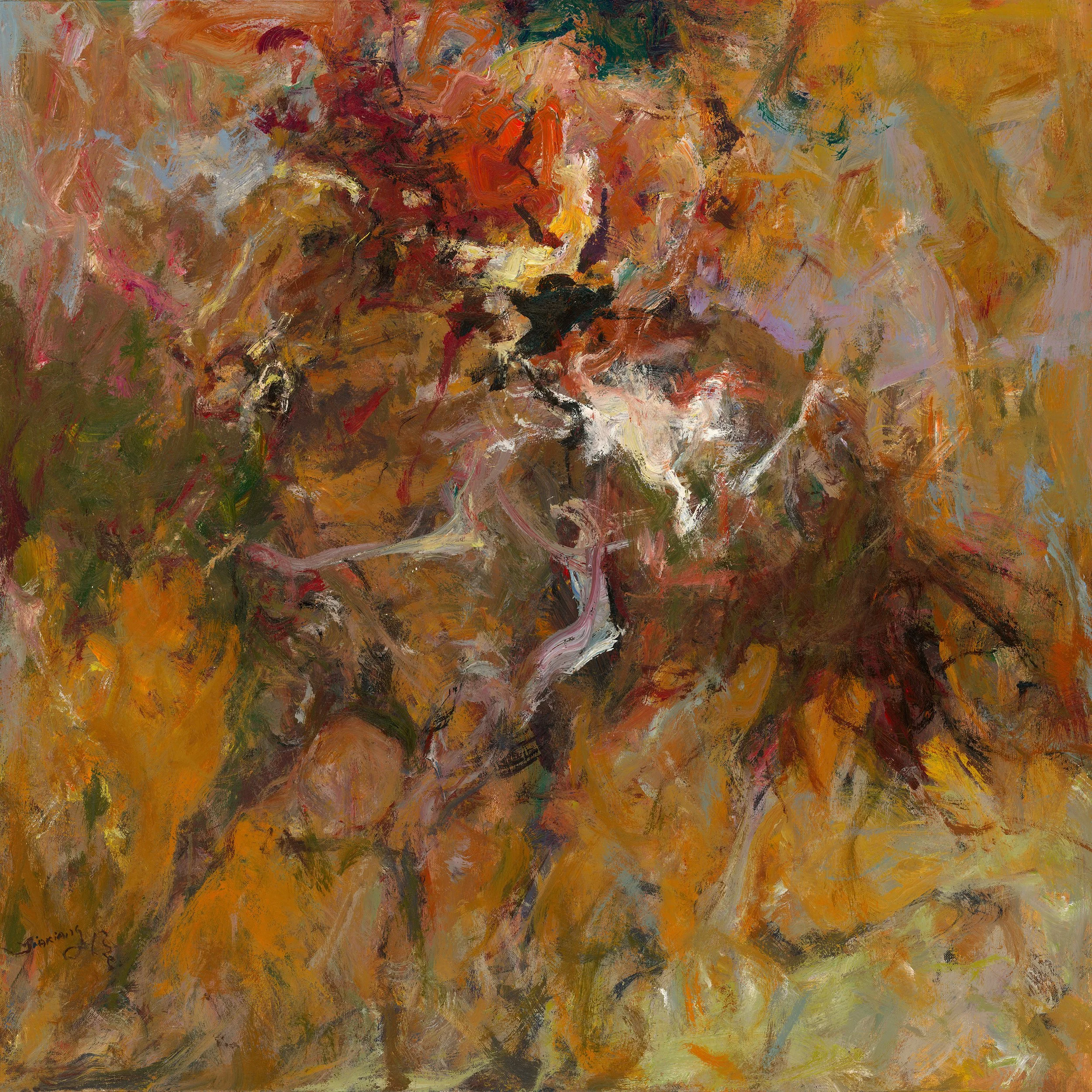
Years later, the herds in the Journey series began to transform. No longer dominating the foreground, they dissolved into the painting’s atmosphere, flowing into its depths and merging with the boundless cosmos. Their forms blurred; details were deliberately pared away, leaving only the traces of motion and the contours of energy. Colors grew bold—earthy yellows slashed with sharper hues, brushstrokes shifting from elongate to frenetic. It was as if BEI was no longer content to capture the instant of a gallop but sought instead the truth of time’s passage hidden within the chase.
From the relatively representational Horse Whispers to the increasingly abstract Journey, BEI completed an aesthetic pivot from “seeing” to “perceiving.” This shift aligned with Spanish philosopher José Ortega y Gasset’s theory of the “dehumanization of art”—the idea that modern art’s essence lies in abandoning mere imitation of nature to focus on form itself.
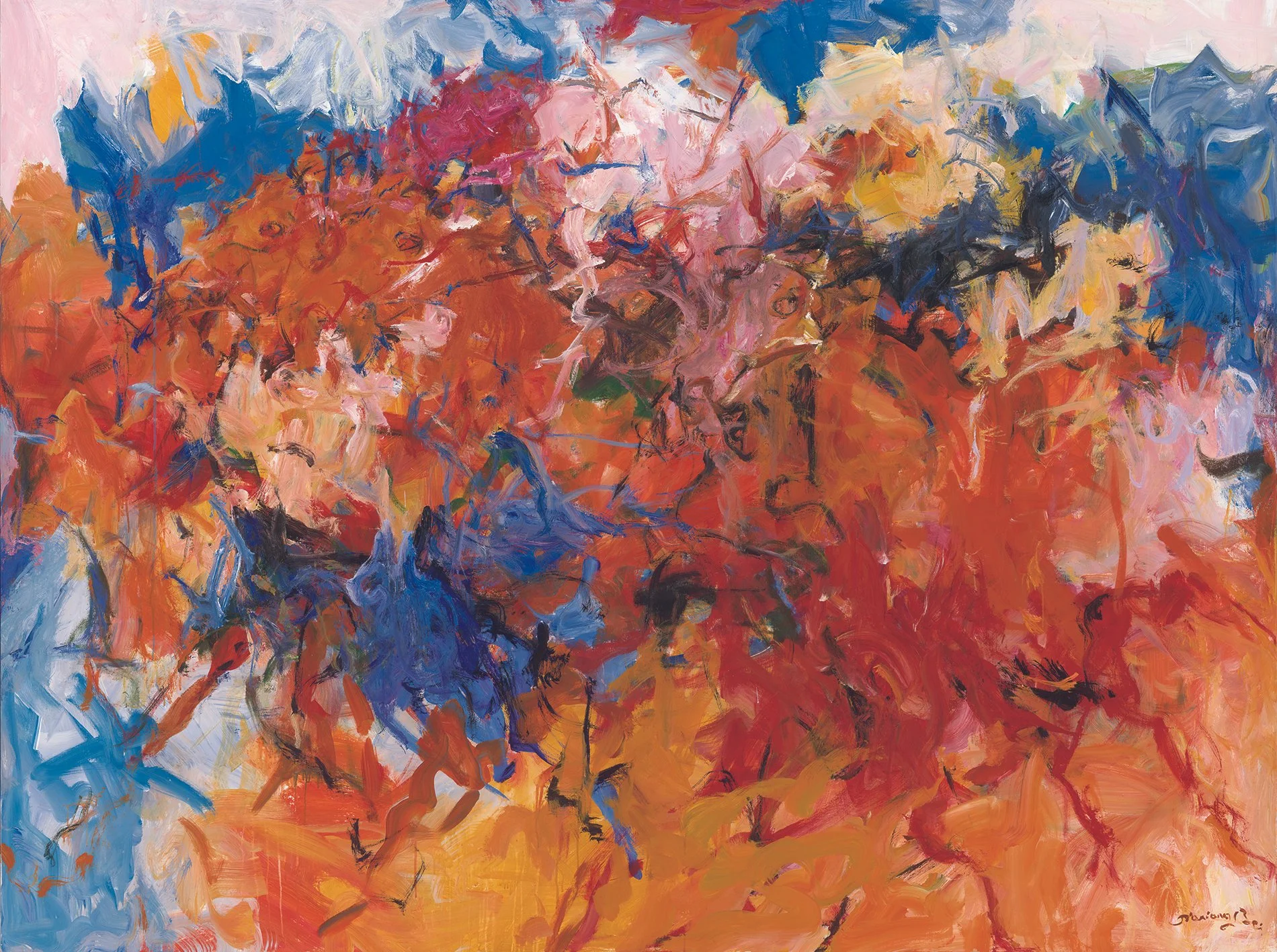
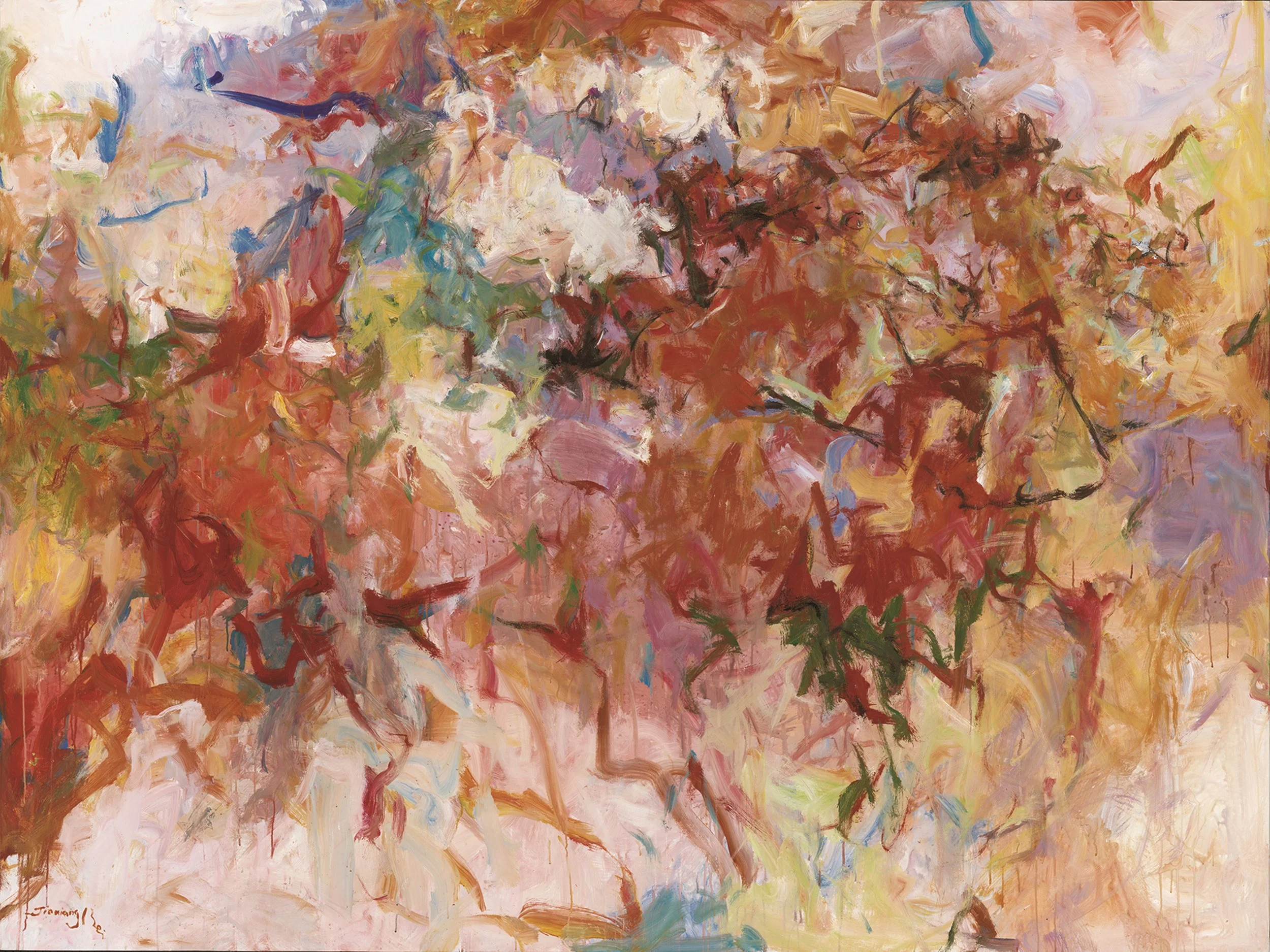
The Herds
Oil On Canvas
240*180cm
BEI progressively stripped away the biological attributes of the horse, amplifying the expressive power of formal language. In the large-scale work The Herds, this “dehumanization” reached new heights. The herd lost individual definition, becoming a torrent of visual movement. Yet, through seemingly haphazard blocks of color and a few decisive strokes, the fleeting sensation of thundering hooves was etched indelibly into the mind.
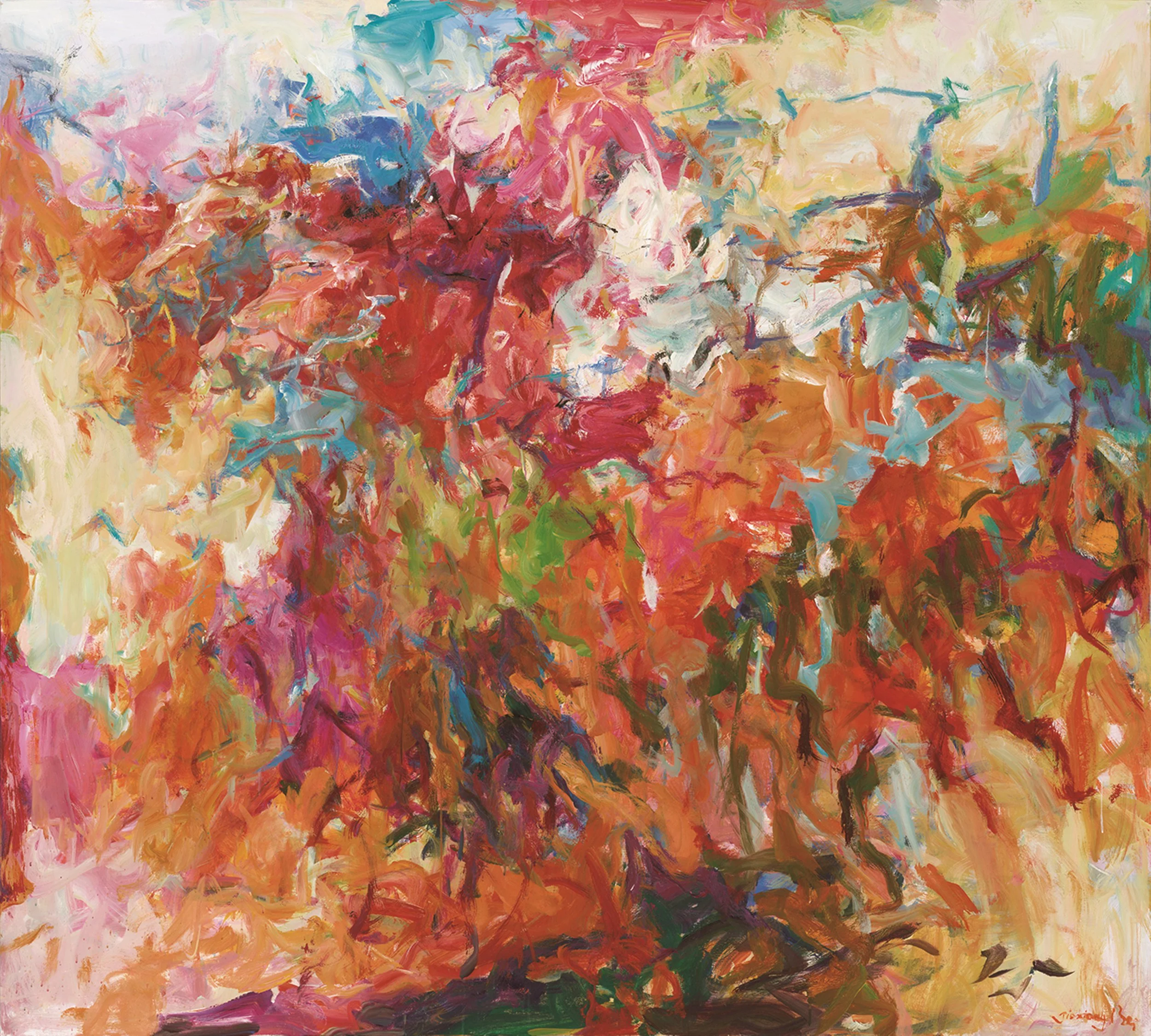
The richness of color is another defining feature of his evolution. In works like High Noon and Startle the Dust, the subtle gradations of near-monochrome gradually give way to the vibrant, bold hues of The Ethereal Shadow and Dashing in the Breeze. It is as if BEI has come to realize that his mastery of form and spirit no longer fears the distraction of excessive color—instead, vivid chromatic fields amplify the very spirituality his works seek to convey.
This shift in the treatment of form and color does not signify BEI’s departure from reality; on the contrary, it marks his journey toward returning to the essence of art itself.
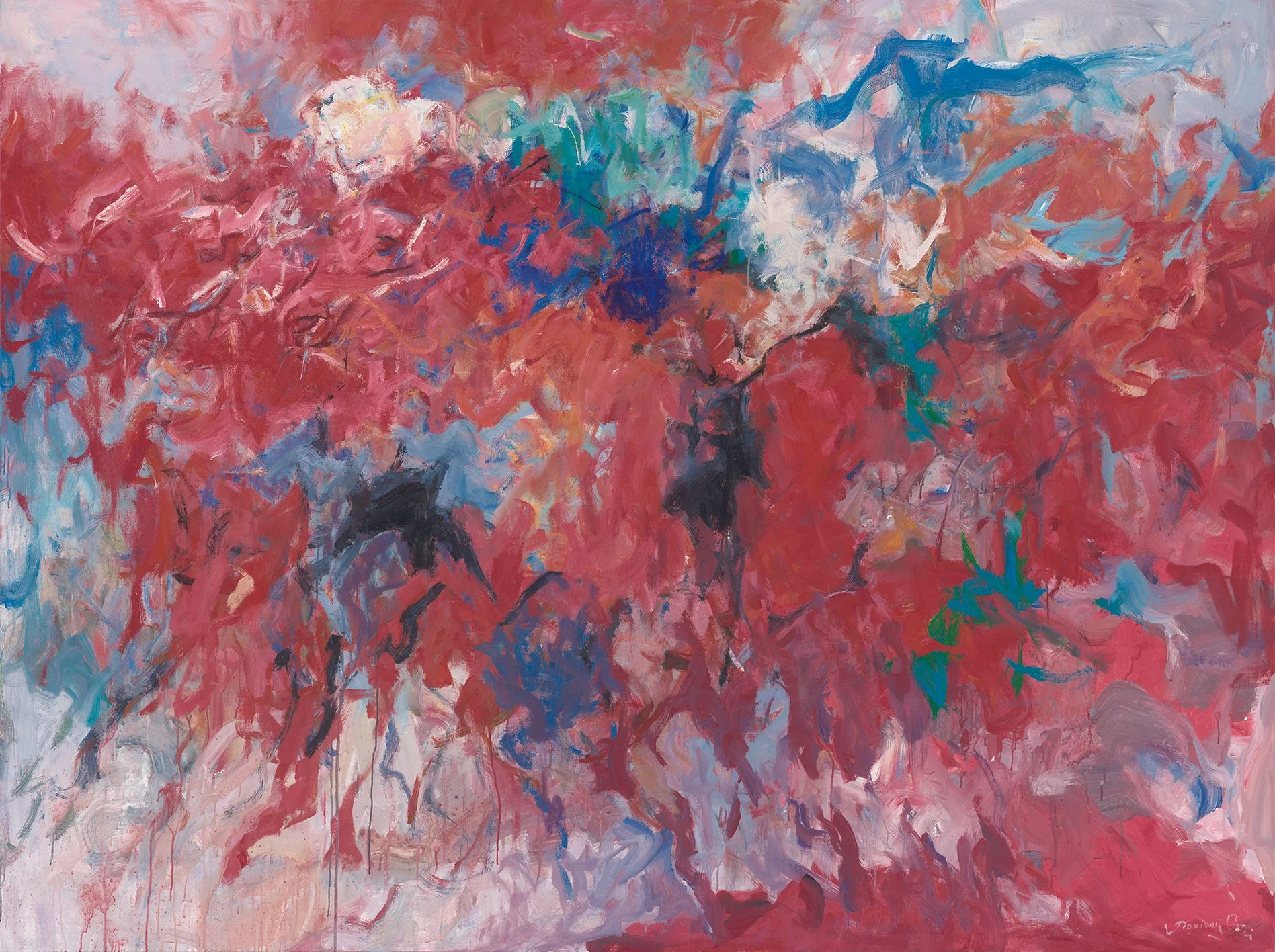
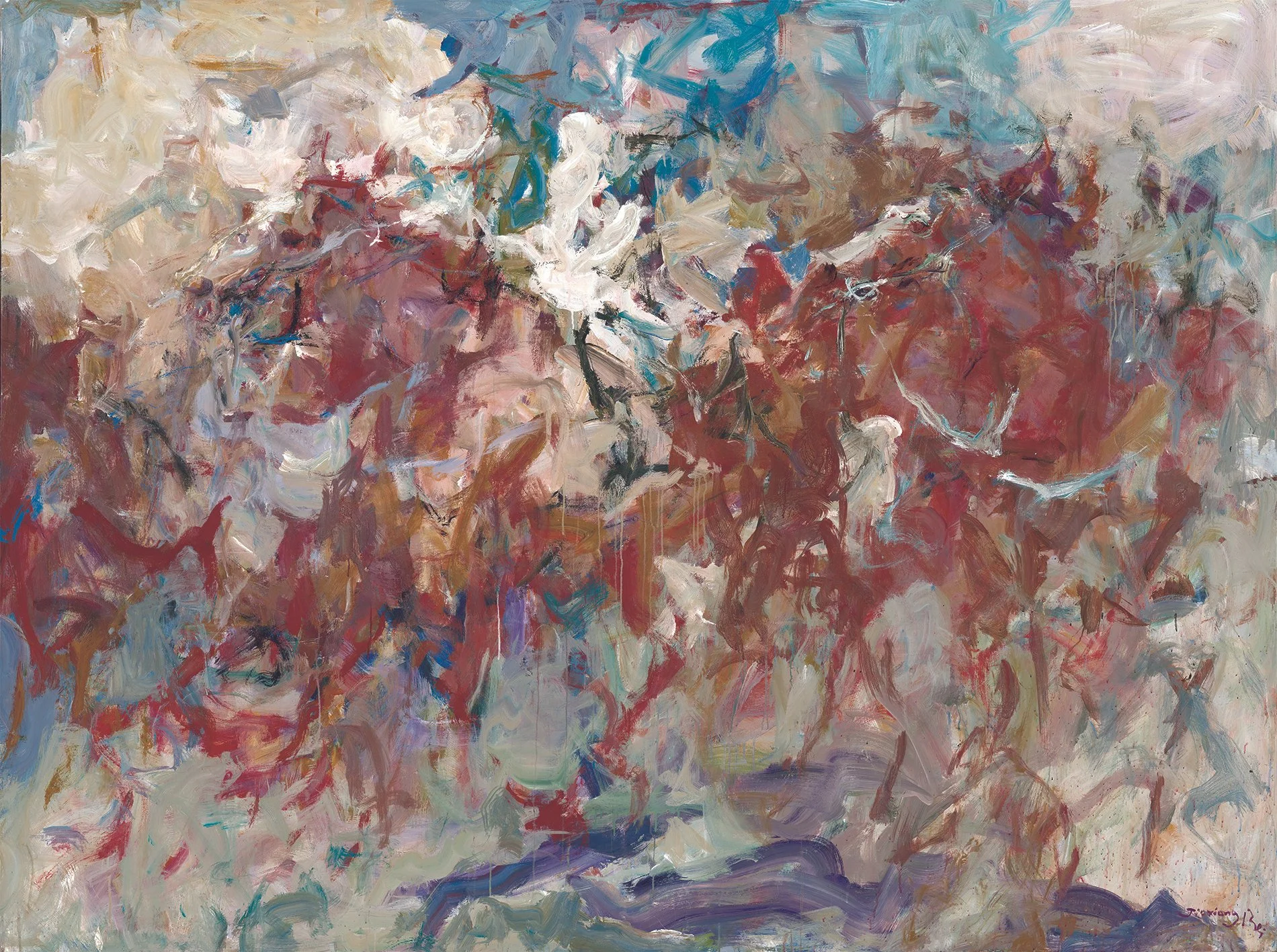
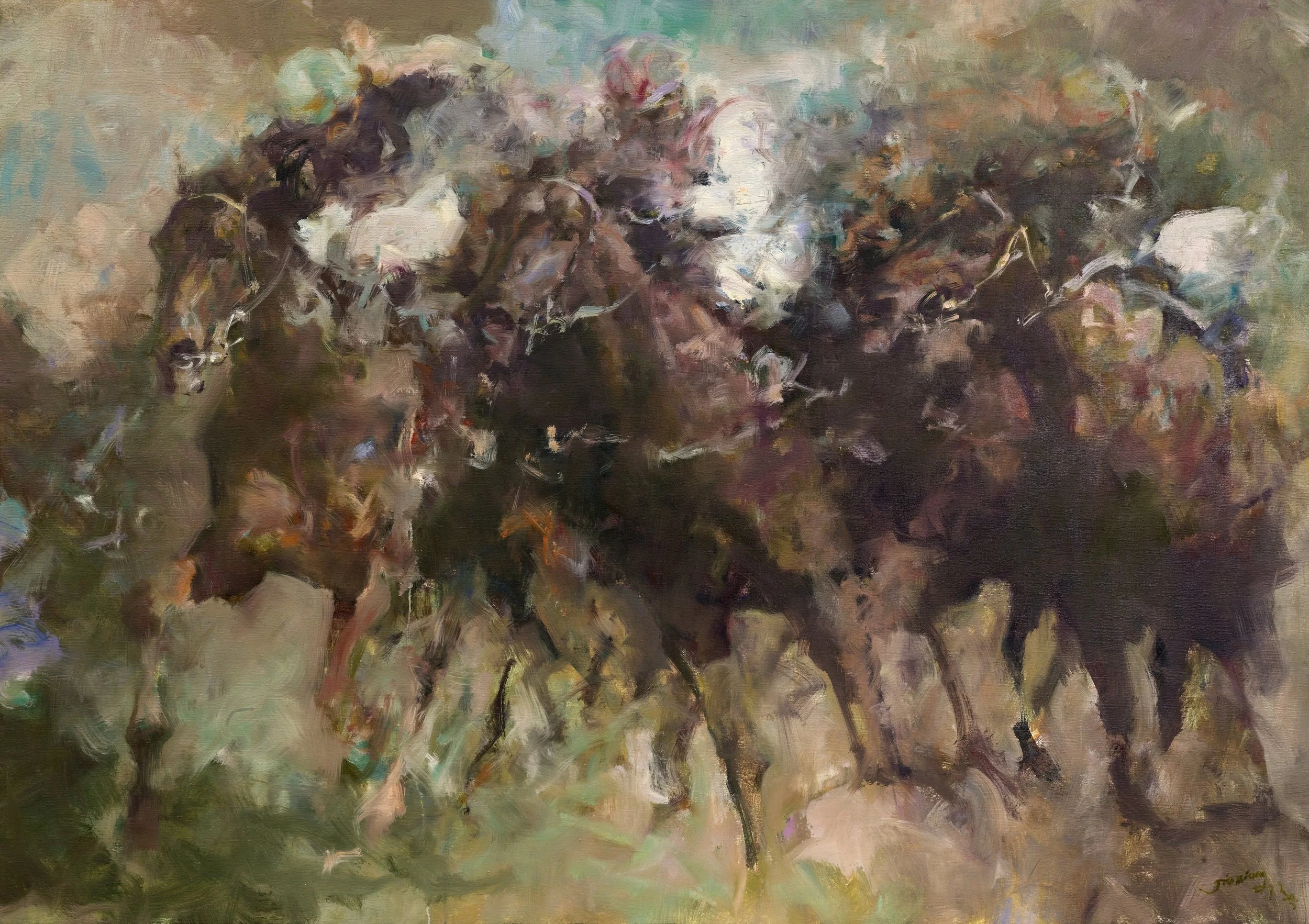
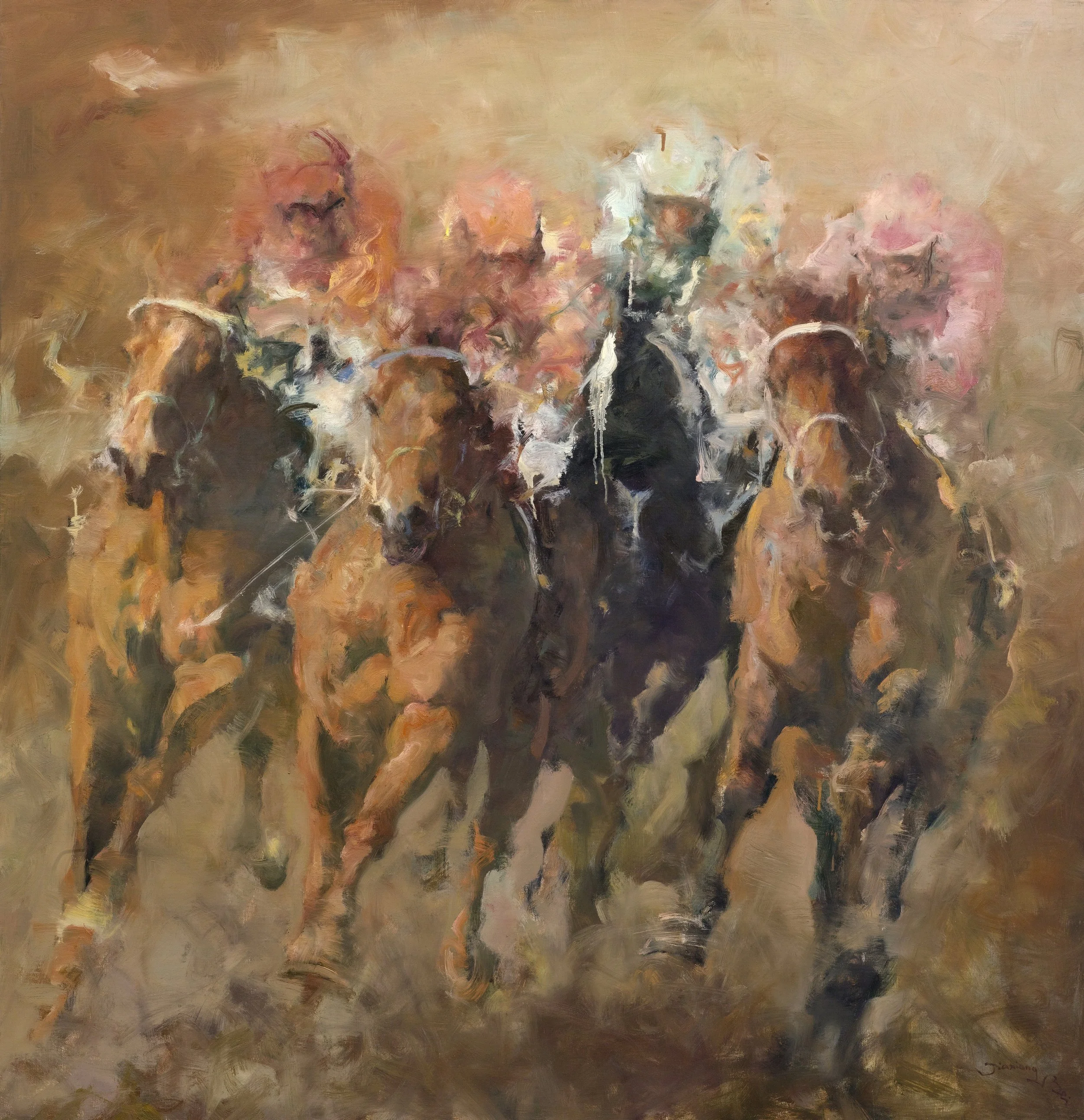
On a technical level, BEI’s brushwork has evolved from “sculpting” to “writing.” In his early Knight series, such as Earth-Shakers and Unity, his strokes hovered between classicism and impressionism—serving primarily to construct realistic forms while capturing the immediacy of the horses’ movement. In contrast, the brushwork in his recent Journey series, like Splashing Glow and Fleeting, carries independent expressive value. With near-defiant confidence, BEI grants his brush the utmost autonomy, allowing it to dance freely yet deliberately across the canvas, creating a unique “calligraphic quality in oil.” This liberation of the brushstroke and embrace of spontaneity elevate his equine subjects beyond mere animal depiction into the realm of abstract spiritual construction. As Ortega y Gasset asserted, if a work can be easily replicated, it commits “the gravest sin” against aesthetics.
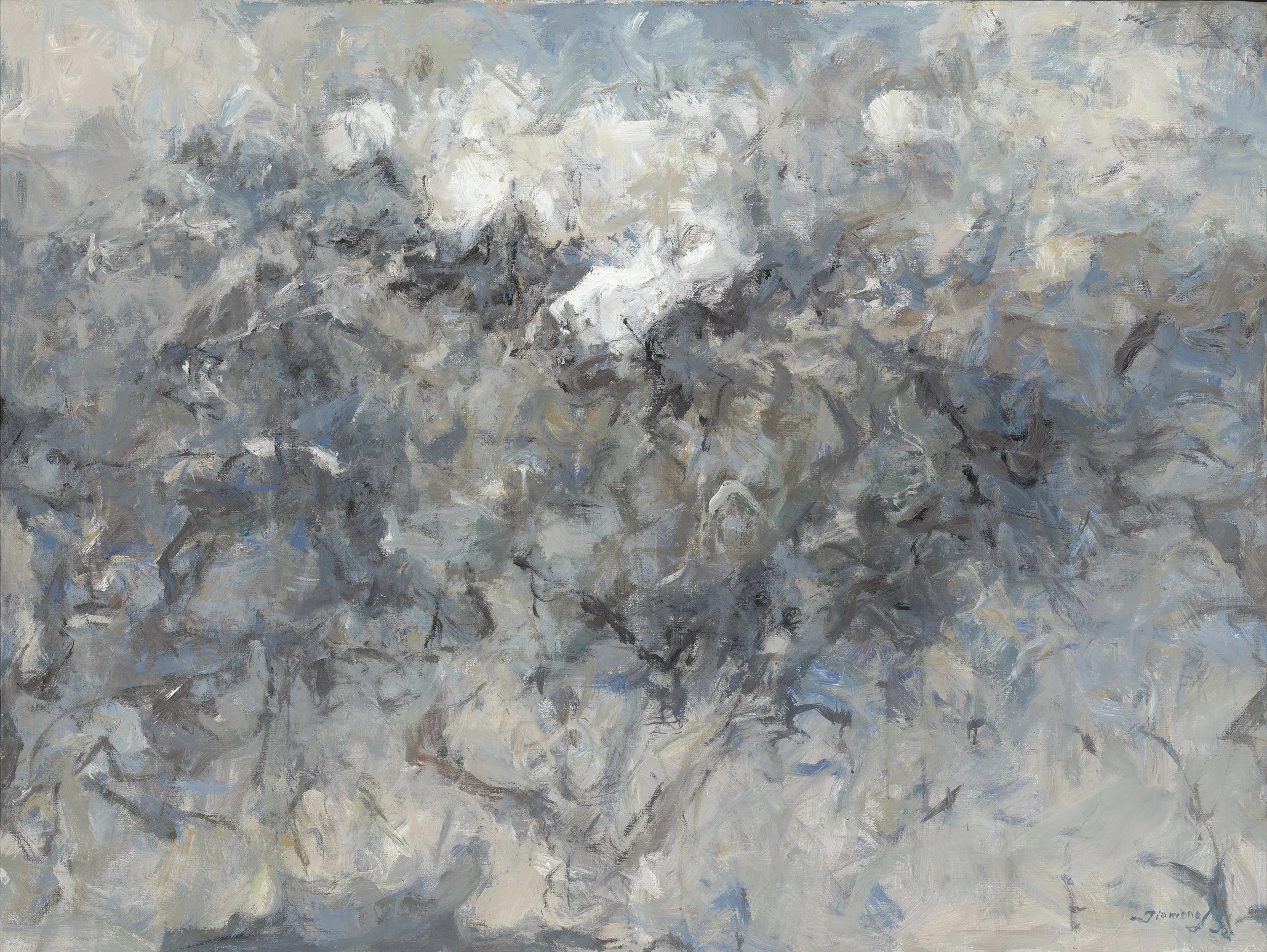
Looking back at BEI Jiaxiang’s equine oeuvre, we witness a clear trajectory: from the concrete to the abstract, from restraint to expansiveness. Over a decade, using the horse as his medium, BEI has relentlessly pursued a spiritual texture that can only be conveyed through brush and pigment—a “journey” uniquely his own.