
Imagery · Perception — Bei Jiaxiang's Thoughts on Art
In the context of contemporary art criticism, the term Imagery retains a certain theoretical vagueness. Unlike the clearly demarcated movements of Western modern art, Imagist oil painting reads more like a latent tendency: its theoretical boundaries are open and suggestive. When examining BEI Jiaxiang’s oil paintings under the rubric of an Imagistic style, one must first clarify how this term has evolved and where tensions lie within Eastern and Western art histories.
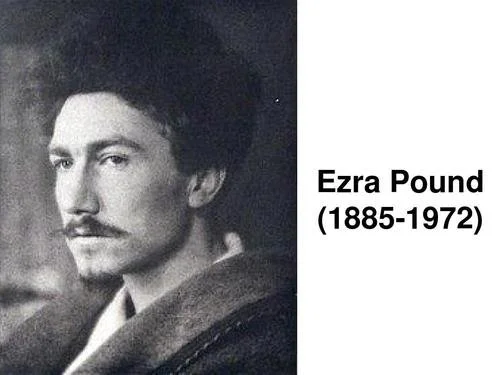
The more clearly defined Imagism in Western modern art originates in the early twentieth-century poetry movement—represented by figures such as Ezra Pound and H.D.—which emphasized precise imagery and linguistic innovation. Pound’s notion of the image meant the “direct presentation” of a thing, but this literary category had relatively limited growth and influence within Western visual art. By contrast, the concept of imagery has a long sedimentation within Chinese aesthetic tradition: from the I Ching’s “establish an image to exhaust meaning”, through LIU Xie’s aesthetic discussions in Book Wen Xin Diao Long, to Tang-dynasty painter ZHANG Zao’s creative principle of “learning from nature externally, finding the source within the heart”. Together, these form a fairly complete system of thinking about images and imagist apprehension.
BEI’s oil painting practice unfolds within this cross-cultural context.
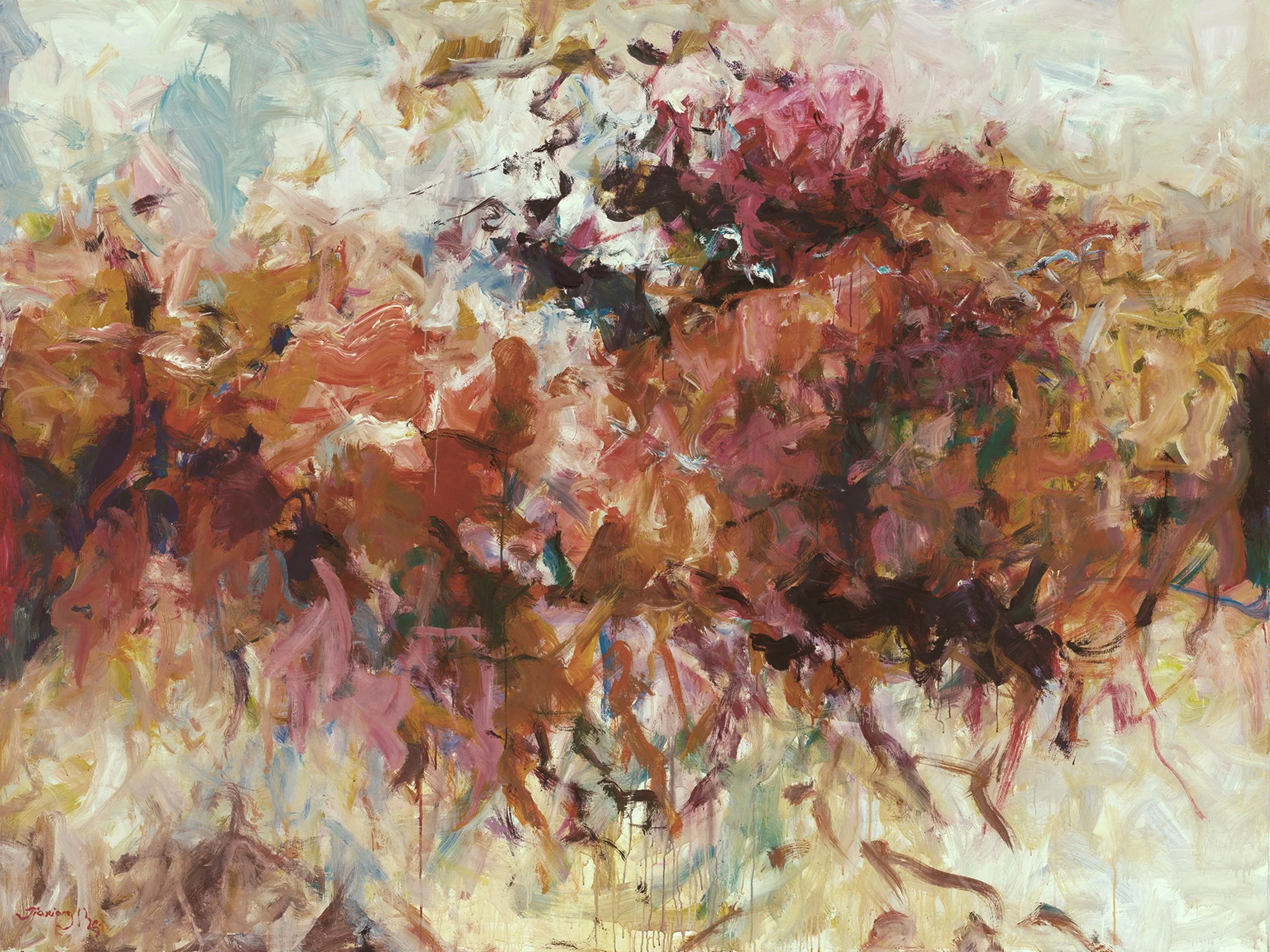
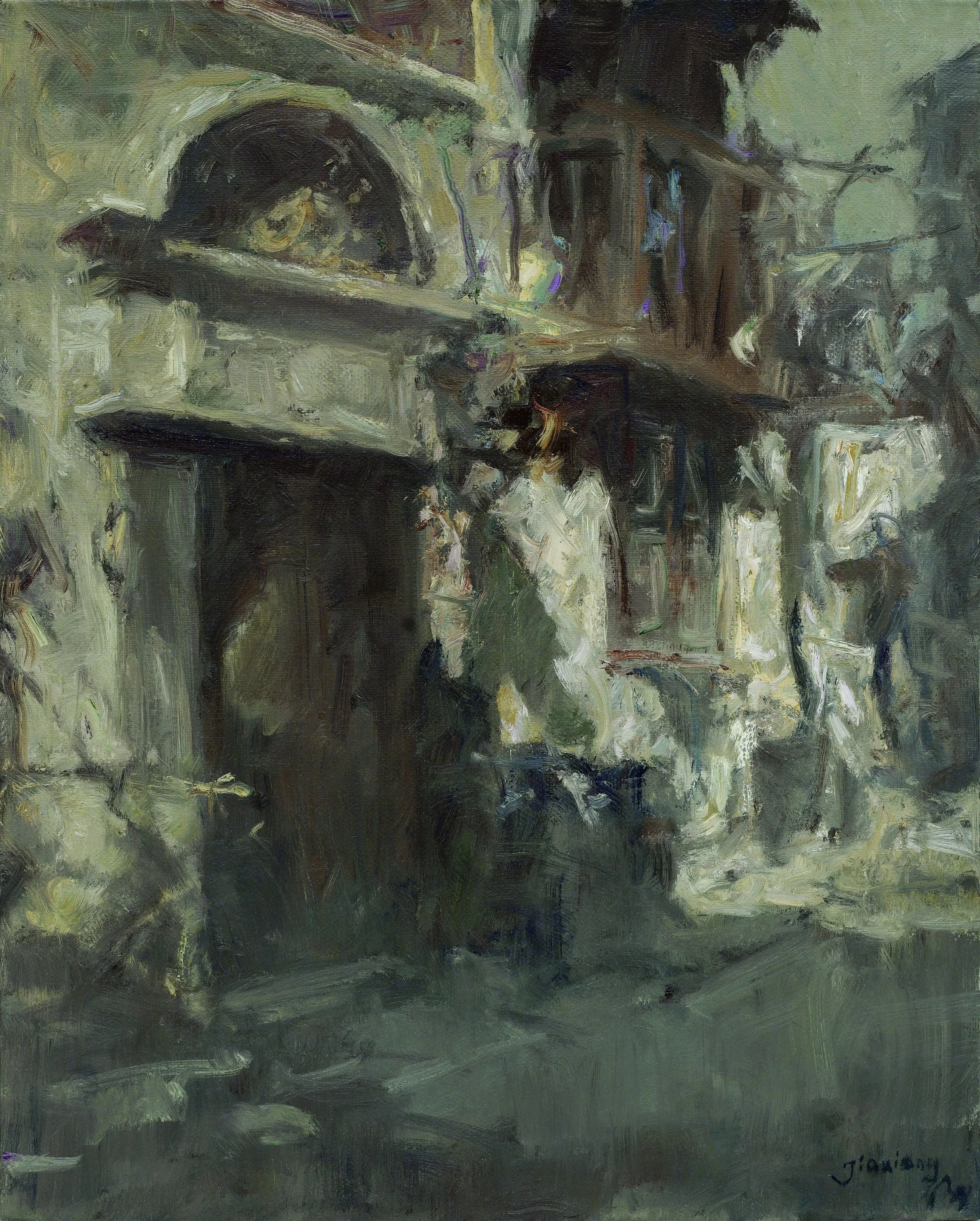
Inheriting the Impressionists’ fascination with fluid gesture and subjective perception, BEI renders what he “sees” with relaxed, practiced brushwork—from the dust and thunder of galloping horses to the inhabited lanes of a neighborhood—each image an impression. The deconstruction achieved by Impressionism led him to realize that the “seen” is no longer limited to optical appearance: after transcribing impressions, he began, through subtle formal deformation, to depict a “vision of the spirit” that is not an objective reality. This marks the point at which abstract elements enter his Impressionist vocabulary; he probes new forms to explore new boundaries of consciousness. As Henry Moore put it: “observation of nature is part of the artist’s life: it enlarges formal understanding, keeps form fresh, and can become the point of departure for creation.”
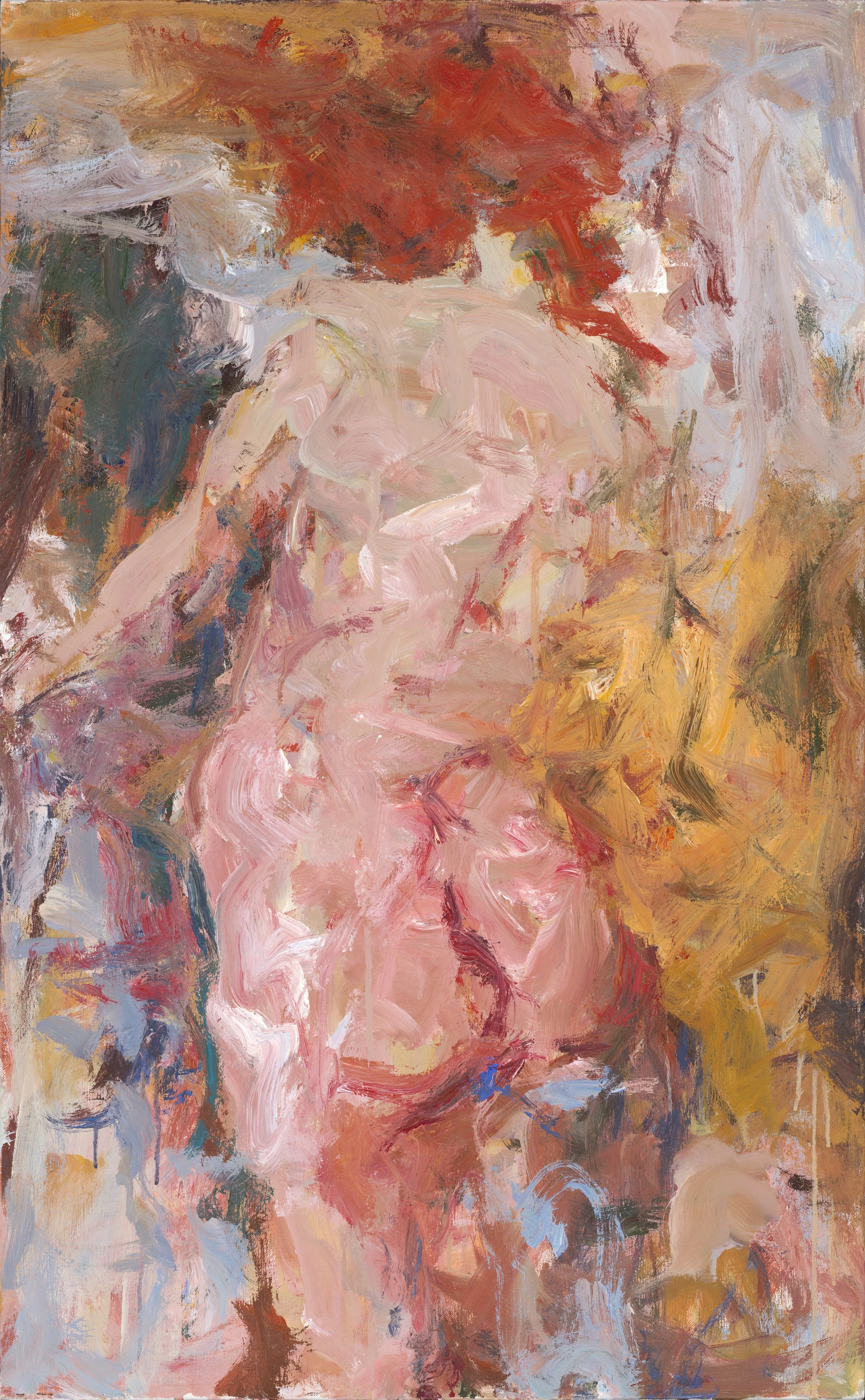
Yet BEI keeps a cautious distance from the mainstream Abstract art. Unlike abstract movements heavily influenced by music, philosophy, and other disciplines, BEI’s inspiration remains rooted in the visible material world. Even when he experiments with formal exaggeration to amplify spiritual qualities, his works maintain a connection to the appearance of objects. This choice is not a value judgment but rather a romantic, stubborn fidelity BEI shows among the many tributaries of painting.
BEI has said he has been “painting with heart”, which is a state close to the Chinese painterly notion of “heart and hand responding to one another”. In his work, rational control and intuitive expression maintain a delicate balance; the brushwork is at once a direct outflow of feeling and a consciously constructed formal element. This creative condition resonates with Merleau-Ponty’s phenomenology of perception—painting is not a replication of the world but a making-visible of the invisible through the body’s dialog with the world.
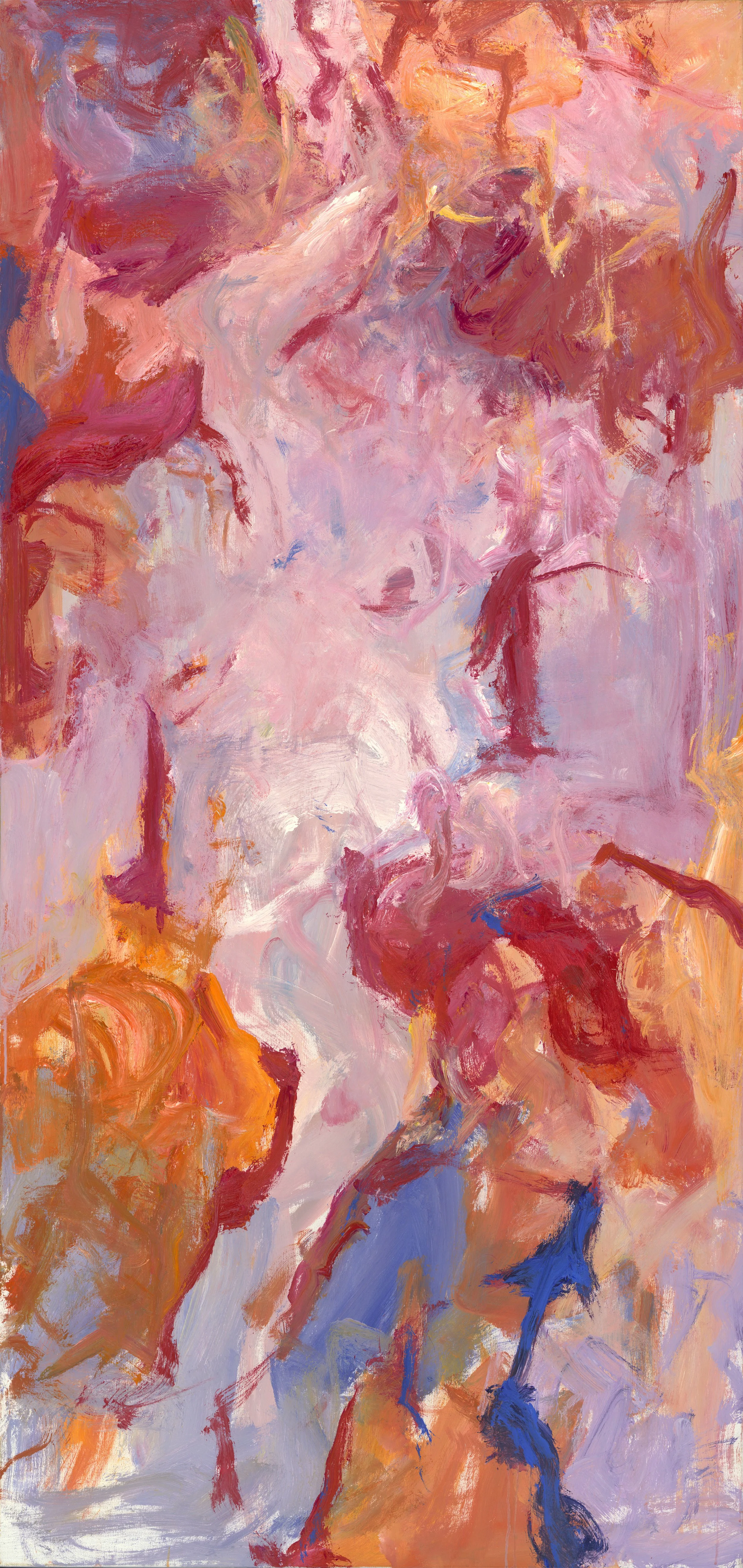
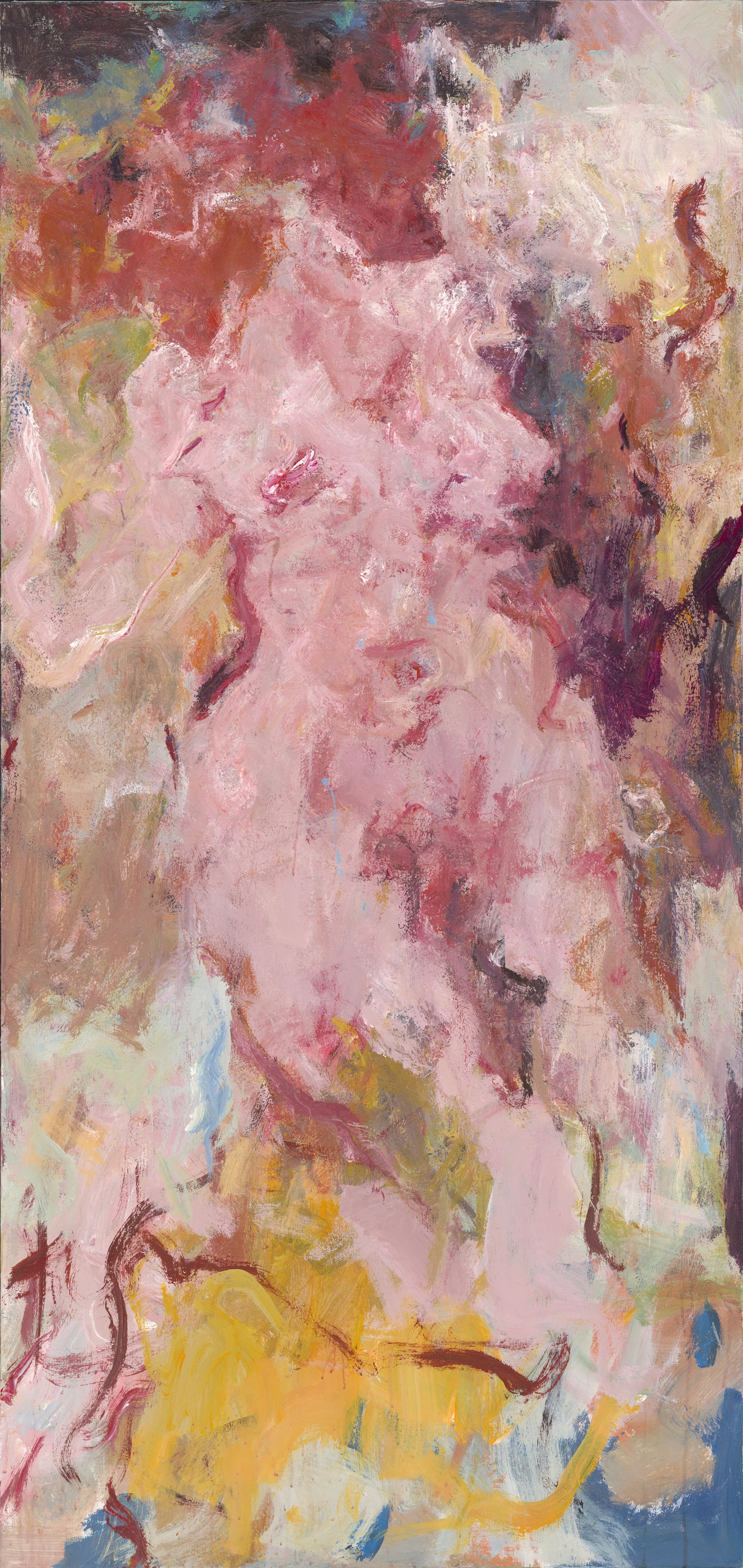
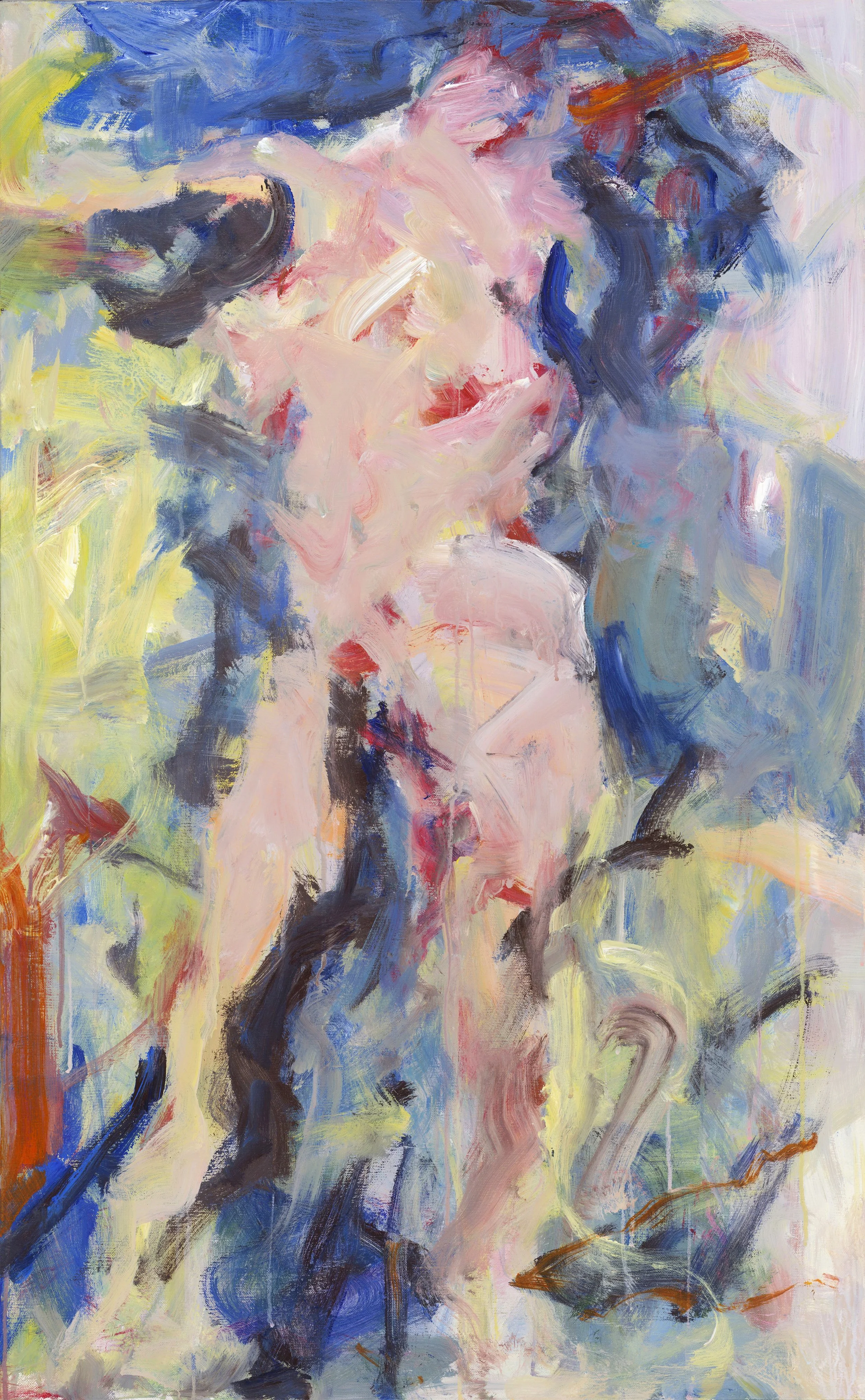
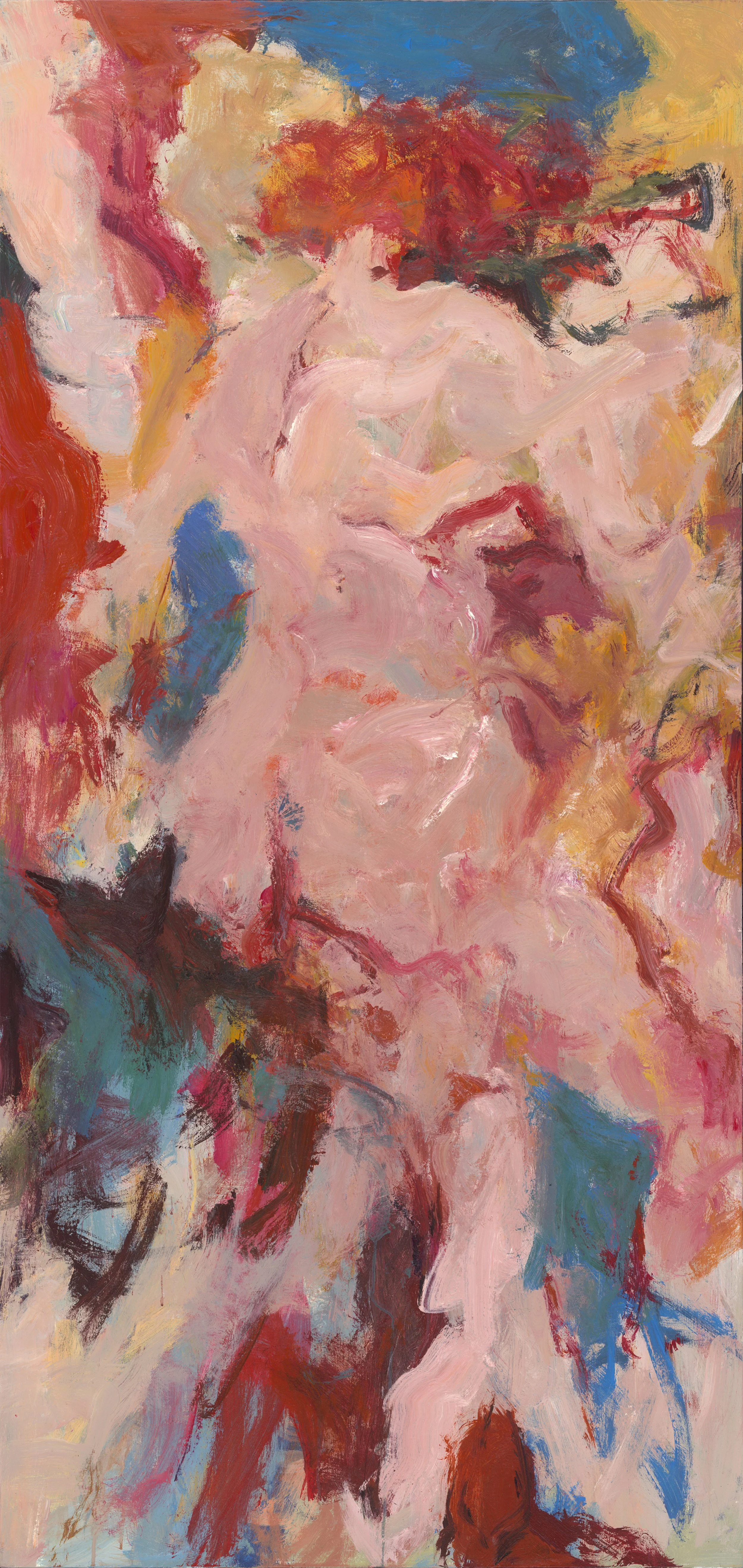
In short, BEI Jiaxiang’s oil painting does not fall wholly within the Western modernist lineage, nor is it a straight continuation of Chinese traditional painting. It resembles an Eastern traveler who has found a classical stone shaken by Impressionism: passing through Post-Impressionism, conversing with Fauvism, brushing past Expressionism, and encountering Abstract art, he then embarks on an as-yet-unnamed path—provisionally called “Imagism”. The theoretical placement of this path must still be established through multiple dialogues, but its reflections and reconciliations concerning subject and object, tradition and modernity, East and West are making it an increasingly rich cross-cultural exemplar.